
Walk into any contemporary art show in Mumbai, Delhi, or Bengaluru today, and you’ll sense a quiet shift in the air. The crowd isn’t made up only of seasoned patrons in linen and pearls anymore. Among them are younger faces, professionals in their late twenties or early thirties, curious, unhurried, scanning the walls with phones in hand. They’re not just admiring; they’re contemplating, comparing, and in many cases, collecting.
A few decades ago, the word collector carried a certain aura of legacy, family heritage, or refined connoisseurship. Art buying was seen as a pursuit for the privileged few, often inherited, rarely self-started. But today’s young Indians are rewriting that story in their own language. They’re discovering artists on Instagram before they ever set foot in a gallery. They’re buying art online, sometimes without having seen the piece in person. And they’re doing it for reasons that go far beyond status or investment.
This is the story of India’s generational collectors and how they are changing what it means to live with art.
A Different Way of Seeing
For a long time, art collecting in India followed a predictable pattern. Traditional collectors leaned toward established names, vintage works, and trusted galleries. The focus was often on long-term value and prestige. It wasn’t uncommon to hear about pieces passed down through generations, or dinners where collectors proudly spoke about a Hussain or a Raza hanging in their living room.
Young collectors, however, are approaching art with a more instinctive eye. They’re less interested in who painted it first and more in what it makes them feel. A 29-year-old designer from Pune might buy a minimal acrylic because it complements her creative workspace, while a start-up founder in Bengaluru might choose a bold digital print because it reflects his restless energy.
The connection is emotional before it is financial. For them, collecting is a way to express identity, a visual autobiography written across their walls.

The Shift from Legacy to Individuality
If traditional collectors were gatekeepers of heritage, young collectors are explorers of individuality. They don’t see art as an heirloom. They see it as a mirror.
A generation raised in the swirl of digital media, global travel, and self-expression has grown comfortable curating their own lives. From playlists to wardrobes to home décor, everything is chosen to tell a story. Art is no exception.
Unlike their parents’ generation, they’re not waiting for galleries to introduce them to “the right artists.” They’re scrolling, researching, and discovering talent from across the country, emerging voices who speak in a tone that feels current and real.
Platforms like Mojarto have become their window into this world, offering discovery, variety, and trust in a space that feels personal.
Online, Yet Intimate
What makes this younger generation stand out is their comfort with buying art online. For traditional collectors, the tactile experience of seeing the brushwork, the texture, and the scale was everything. The idea of buying a painting through a screen might have seemed unthinkable.
For young Indians, the screen is where discovery happens. They are used to comparing, reading reviews, checking provenance, and relying on transparent digital information. They’re not intimidated by art; they’re curious about it.
Platforms like Mojarto simplify that curiosity. Clear pricing, artist stories, and authenticity certificates all in one place. The transaction is digital, but the emotion is very real.
A 32-year-old architect from Chennai once shared that she bought her first artwork on Mojarto after weeks of browsing. She said, “It reminded me of a walk I used to take as a child near the sea. I didn’t even think about investment. I just knew I wanted to see it every day.” That’s the new collector mindset: intuitive, emotional, and immediate.
Transparency Over Tradition
Older collectors often had the advantage of insider access. They built networks, developed relationships with galleries, and learned the unspoken codes of collecting. The younger generation, though, wants none of that mystery.
They prefer transparency in price, in provenance, in process. They want to know who the artist is, where the piece was made, how it’s shipped, and what makes it valuable. Hidden markups or unclear terms can make them walk away instantly.
In many ways, they’ve brought consumer behaviour from e-commerce into art buying, and that’s not a bad thing. It’s made the industry more accountable, more democratic, and far more exciting.
From Collecting to Connecting
Traditional collectors often saw art as something to be owned. For younger Indians, art is something to engage with. They attend online artist talks, participate in Instagram live sessions, and join collector communities. They want to meet the person behind the painting, understand their story, and feel like they’re part of something bigger.
That community-driven spirit has turned collecting into a shared experience. The younger buyer is not collecting in isolation; they’re collecting in conversation.
Mojarto’s growing online presence and artist storytelling perfectly align with this trend. It’s not just about what hangs on your wall; it’s about knowing the world that the artwork came from.
A Broader Palette
Another striking difference lies in what they collect. The traditional art buyer tended to stay within the boundaries of modern masters or academically recognised artists. The younger collector, on the other hand, explores everything from folk and tribal art to digital illustrations and abstract photography.
A scroll through Mojarto’s curated collections reveals this diversity. Young Indians are buying Madhubani one day and minimal line art the next. They mix tradition with modernity, a Warli piece beside a bold contemporary abstract, without feeling the need to justify it.
This openness is redefining Indian collecting culture. It shows that the younger generation doesn’t see art in hierarchies. They see it as an expression, pure and simple.
Beyond Investment: Emotional Value
For decades, art collecting in India was often framed as an “investment.” People asked, Will its value go up? But among young buyers, that question rarely comes first.
They think about how it feels in their space, what it says about them, and whether it sparks joy or reflection. The emotional value often outweighs the financial one.
This isn’t to say that they ignore value appreciation. They simply approach it differently — with awareness, not obsession. They know a good piece holds cultural and emotional worth that transcends price tags.
The Influence of Social Media
Social media has completely changed how art is discovered. For younger Indians, Instagram has become a gallery in itself, a space where artists share process videos, sketches, and glimpses into their lives.
When they see an artist paint live or talk about inspiration in a reel, it builds trust and connection. That authenticity is what they crave. It’s no longer about buying from someone “known”; it’s about buying from someone “felt.”
Art influencers, collectors, and even digital curators are shaping this culture. The conversation has shifted from elitist to accessible, from “What’s your collection worth?” to “What does your collection mean to you?”
How Platforms Like Mojarto Fit In
Mojarto sits at the crossroads of these two worlds, honouring the legacy of traditional collecting while welcoming the curiosity of new collectors.
For a first-time buyer, the platform feels approachable. No intimidating jargon, no hidden conditions. Just clear collections, authentic artists, and stories that speak.
For the returning collector, it offers depth, curated recommendations, artist insights, and easy ways to explore new categories.
By bridging access and authenticity, Mojarto is helping young Indians make confident choices. And that confidence is key to sustaining India’s art ecosystem.
Why This Shift Matters
The rise of young collectors is reshaping the future of Indian art. It means more artists get visibility, more styles find recognition, and the audience becomes broader and more diverse.
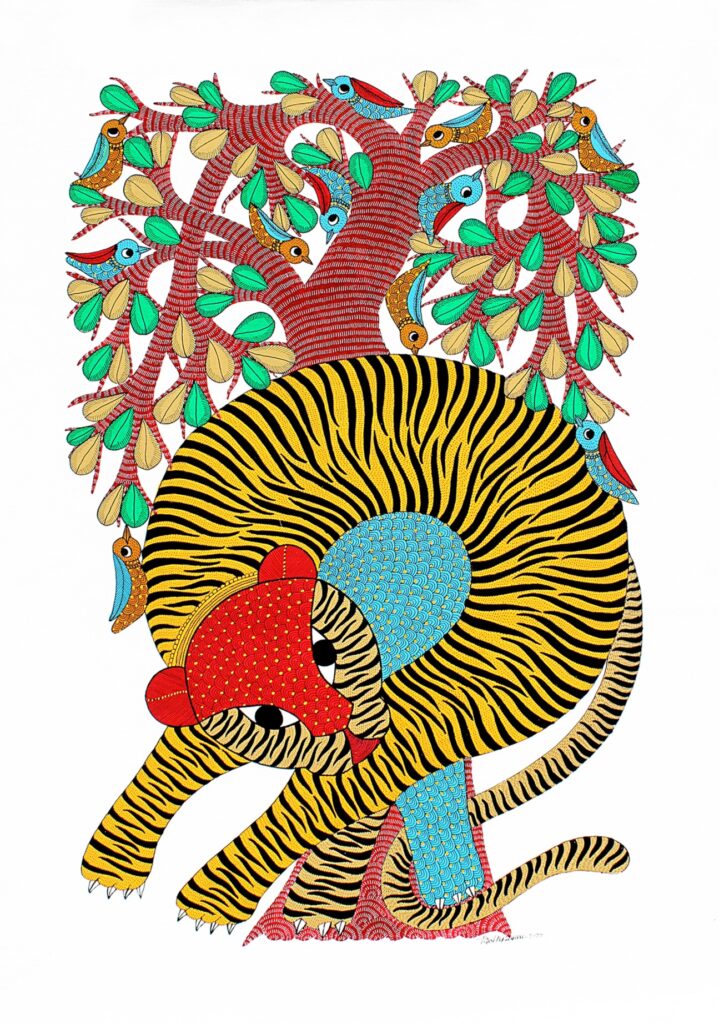
It also challenges the notion that art is for the few. When a 28-year-old software engineer buys a Gond painting online because it reminds him of his hometown, it’s not just a sale; it’s cultural continuity. It’s India rediscovering its own voice through new eyes.
Looking Ahead
The next decade of Indian art collecting will look different. It’ll be younger, more digital, and more emotionally aware. Collectors will value transparency as much as creativity. They’ll collect pieces that speak, not just shine.
And as more platforms like Mojarto help them discover, connect, and collect, India’s art landscape will continue to open up, one personal story at a time.