
In a world that’s increasingly uniform—where design trends get recycled, and décor begins to feel mechanically perfect—the unexpected charm of tribal art is making a powerful return. At Mojarto, we believe that the resurgence of tribal motifs and indigenous patterns offers both aesthetic delight and a meaningful investment opportunity. In this blog, we explore why these forgotten patterns are resurfacing, how they’re being re-interpreted, and why you, as a collector or décor enthusiast, should pay attention.
The Call of the Canvas: Why Tribal Patterns Are Back in Demand
1. A longing for authenticity
In recent years, consumers have grown weary of mass-produced visuals that lack soul. As one design trend piece pointed out, Indian folk & tribal art is now being embraced globally because people want pieces with story, heritage and texture.
When collectors browse art platforms such as Mojarto, they are not just buying a decorative object; they’re investing in an original piece of cultural expression.
2. Tribal motifs as design anchors
Tribal art forms such as Warli (Maharashtra), Gond (Madhya Pradesh/Chhattisgarh), Madhubani (Bihar) and Bhil (Central India) are now finding a place in modern homes. They bring bold shapes, rhythmic repetition and vibrant local colour palettes.
These tribal canvases offer a refreshing counterpoint to minimalism and mass-manufactured art—they bring character.
3. The investment-and-story factor
Having a piece of tribal art isn’t just décor—it’s owning a story. That narrative adds value, especially when you buy from a platform like Mojarto that works with contemporary Indian artists who interpret tribal aesthetics. These works can resonate emotionally with your space and also potentially appreciate in value.
What “Tribal Canvases” Really Mean In This Era
When we talk about “tribal canvases: forgotten patterns making a comeback,” here’s what we mean:
- Traditional patterns used by tribal and indigenous communities in India are often passed down through generations through wall paintings, community rituals, and ritual décor.
- Forgotten or under-represented colour/motif sets that had gone out of vogue but are now showing up again.
- Modern reinterpretations: artists who draw from these heritage patterns, infuse them with contemporary context, and produce original canvases for a wider audience.
- Strategic collecting: recognising that what was once niche is now becoming mainstream, so early engagement can yield aesthetic and financial rewards.
At Mojarto, we curate works that reflect this trend. We believe a collector today can access tribal-inspired canvases with authenticity and contemporary resonance.
Core Tribal Patterns To Watch — And Why They Matter
Warli Art
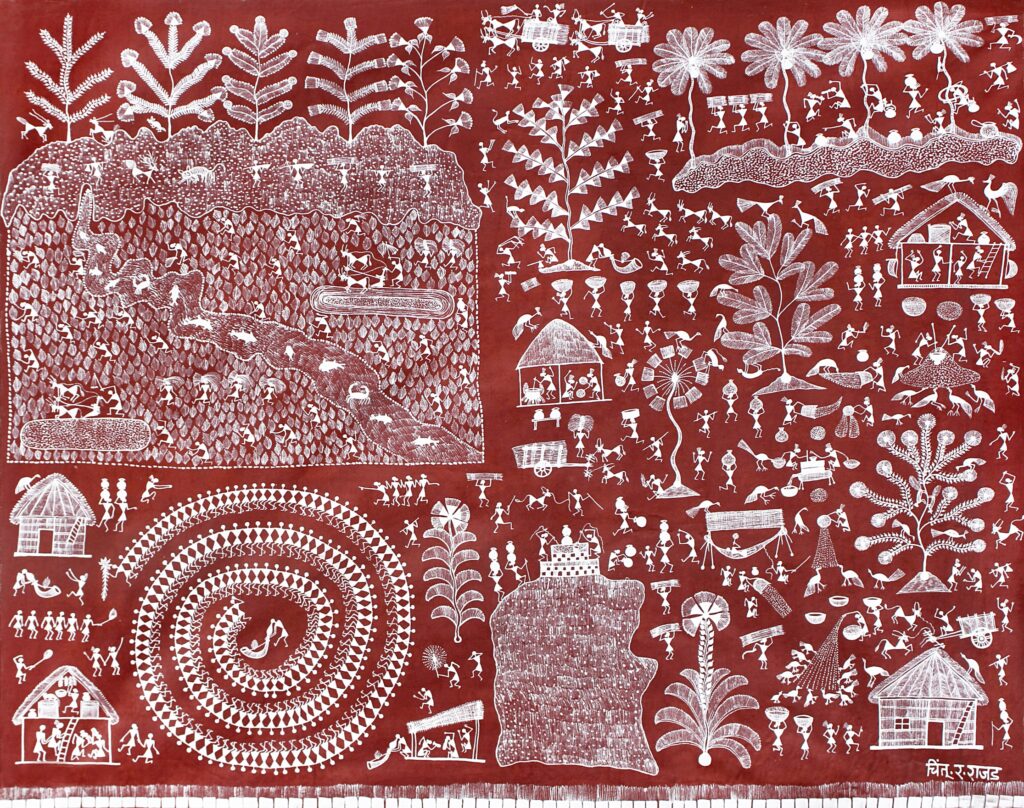
Originating from the Adivasi communities of Maharashtra, Warli art is characterised by simple geometric forms—circles, triangles and squares—depicting human figures, animals and trees.
Its beauty lies in subtlety: white motifs on a mud-red background, rhythmic repetition and meditative simplicity.
Why this matters: Warli provides a minimal yet deeply symbolic aesthetic—ideal for modern spaces that crave meaning without clutter.
Gond Art
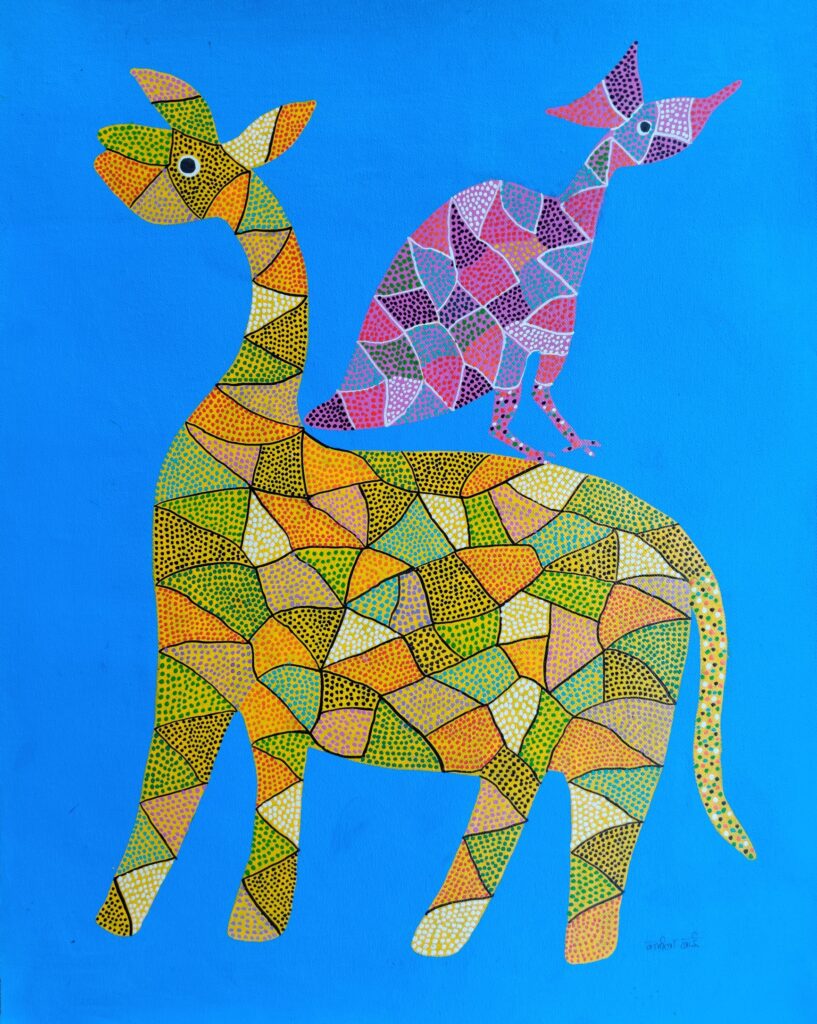
From central India’s Gond tribe, this art uses intricate line-work, dots and vibrant colours to depict nature, animals and mythology.
Why this matters: Gond canvases are energetic, rich and narrative-driven—great for collectors who want art that tells a story and stands out.
Madhubani (Mithila)
From Bihar, Madhubani art uses bold outlines, strong colour contrasts, and dense patterned fills—often with mythological or natural themes.
Why this matters: The decorative intensity of Madhubani makes it suited for feature pieces in living spaces, hotel lobbies, and luxury homes.
Bhil / Dot-Art Traditions
The Bhil community and other central Indian tribal groups use dot-based painting (almost pointillist) to depict ceremonies, nature, and human-animal relationships.
Why this matters: Their visual rhythm and patterning appeal to the design-savvy collector, at the same time, rooted in tribal identity.
From Heritage to Marketplace: How Mojarto Leverages this Revival
At Mojarto, we see several distinct advantages to this trend, both for our platform and for YOU as a buyer/collector.
- Curated access: We select artists who interpret tribal aesthetics authentically, while creating works suited for modern interiors.
- Storytelling is built in: Each canvas carries a cultural lineage. For you, the collector, this means a richer narrative and stronger differentiated value.
- Trend alignment: As the broader home-and-design market shifts toward heritage, handmade and folk motifs, investing in tribal canvases positions you ahead of the curve.
- Long-term potential: Tribal-inspired art may start as décor but evolves into collectable works as the market deepens and the artist base grows.
For marketers and brands, the opportunity is clear: emphasise authenticity, craft, narrative and the “rediscovery” quality of these patterns. Inviting buyers not just to “buy a painting” but to “own a pattern that vanished, is revived, now created for you”.
Who Is the Ideal Buyer at Mojarto?
When positioning tribal-pattern canvases, consider these buyer personas:
- Interior Design Aficionados: They want standout pieces, not run-of-the-mill art. They appreciate pattern, craft and story.
- Modern Collectors: People who understand that cultural art forms can be appreciated and are looking for works with authenticity, not just “pretty”.
- Corporate/Commercial Clients: Boutique hotels, co-working spaces, restaurants looking for unique canvases that tell a story and elevate ambience.
- Gift Buyers: For someone seeking a memorable, culturally rich gift (e.g., for a milestone event), tribal canvases offer both beauty and meaning.
By targeting these segments, Mojarto can tailor messaging—“this tribal canvas transforms your space”, “this work is both décor and art investment”, “this motif revives a tribal tradition”.
The Future Outlook: Why Right Now Is the Time to Act
The revival of tribal patterns is not a fleeting fad—it’s part of a deeper shift. Several signals point to this:
- Decor trends for 2025 emphasise heritage, handmade, and native motifs.
- Indian tribal art forms are featured in national media lists of “5 painting styles in the spotlight” for homes.
- Global design conversation is integrating vernacular Indian craft and tribal aesthetics.
In that context, acquiring a tribal-pattern canvas now means you are aligning with a long-term movement. On the marketing side, positioning the collection as a “coming-back trend” creates urgency and relevance.
Final Word: How to Step In with Mojarto
At Mojarto, we invite you to explore our curated collection of tribal-pattern canvases. Whether you are a seasoned art collector, an interior-design enthusiast or a first-time buyer, you’ll find pieces that combine heritage and contemporary appeal.
When you browse our art platform, keep an eye out for works described as inspired by tribal motifs— Warli figures, Gond dots, Madhubani patterns. These offer more than visual impact—they bring lineage, craft, and narrative.
Remember: in the resurgence of tribal canvases, the value isn’t only in what you see—it’s why you see it. When you hang a tribal-pattern canvas from Mojarto in your space, you’re not just decorating—you’re reviving cultural memory, supporting artists, and capturing a trend before it becomes ubiquitous.
Step into this revival, claim your piece of the story, and let your walls speak of heritage, craft and bold design.