
Art has always been a mirror, one that reflects our collective emotions, struggles, and triumphs. In recent years, the contemporary Indian art movement has turned that mirror inward, capturing not just how we see the world but how we feel it. Across galleries, studios, and online art spaces like Mojarto, a new generation of artists is translating the rhythm of human life onto canvas: one emotion, one brushstroke at a time.
Their works are not just visual experiences; they are intimate dialogues between the artist and the viewer. Each piece speaks of shared stories, cultural roots, and the evolving identity of modern India.
This is the beauty of Canvas Conversations, where art isn’t just looked at; it’s felt.
The Pulse of a Changing India
India has always been a land of storytellers. From ancient temple carvings to folk murals and miniature paintings, every era has used art to narrate who we are. But today’s artists are pushing those boundaries further.
The modern Indian art scene is no longer confined to tradition or technique; it thrives on introspection, experimentation, and social connection. Artists like Jogen Chowdhury, Bharti Kher, and Subodh Gupta have redefined how we express the human condition through their creative lenses.
This shift reflects a broader truth: India itself is changing. Urban life, migration, digital realities, and a revived interest in cultural identity are all shaping how artists express emotion and meaning.
Through this lens, contemporary Indian art becomes more than just an aesthetic pursuit; it’s a documentation of transformation.
Cultural Identity in Indian Art: Rooted Yet Evolving
What gives Indian art its distinct voice is the balance between the old and the new. Artists are no longer restricted by traditional motifs, yet they often draw from them as a foundation.
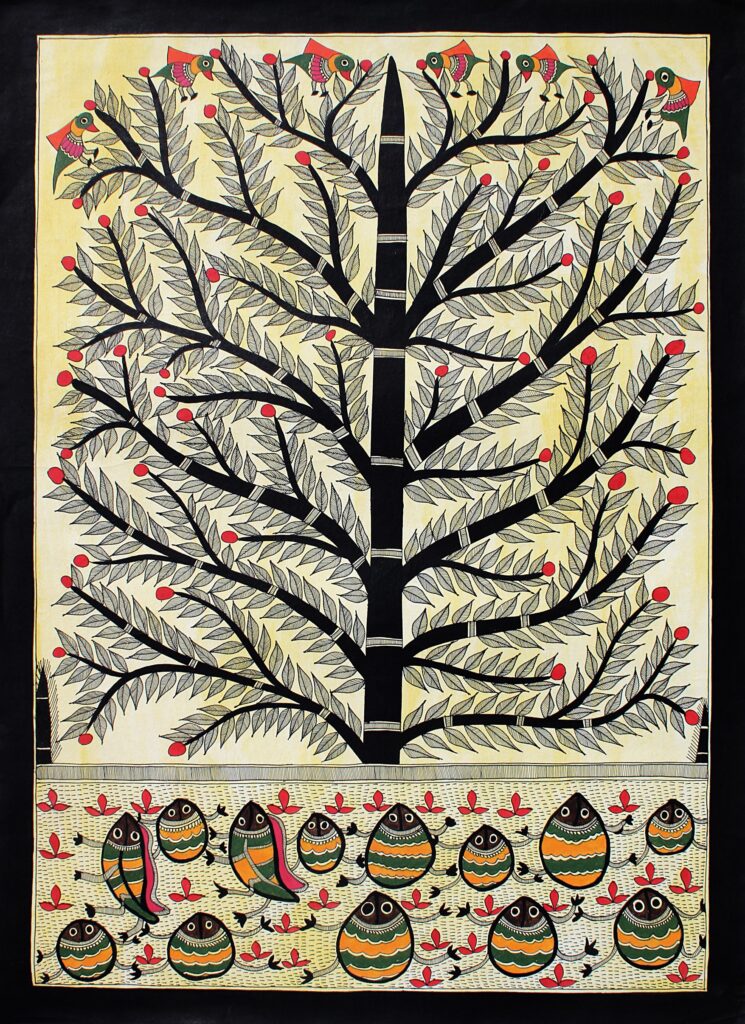
Take, for example, the revival of indigenous techniques like Madhubani, Warli, and Pattachitra within modern compositions. These styles, once used to depict mythological tales, are now being reimagined to tell modern stories- urban loneliness, gender fluidity, and mental health among them.
This blend of past and present speaks to a deeper theme: cultural identity in Indian art. Today’s artists are questioning what it means to be “Indian” in a globalised world. They’re finding beauty in contradictions between heritage and modernity, spirituality and technology, individuality and community.
Every brushstroke becomes a reminder that identity is not static. It evolves, just like art itself.
The Language of Emotion: Feeling Through Colour and Form
Art, at its core, is an emotional exchange. The most powerful works don’t just please the eye; they move the heart.
Many modern painters are exploring emotions in Indian paintings through abstraction, expressionism, and symbolism rather than direct depiction. The human figure might dissolve into colour, or the chaos of city life might be captured in jagged lines and layered textures.
Consider the works of artists like Anjolie Ela Menon, who uses subtle tones and fragmented forms to evoke nostalgia and loss, or Bose Krishnamachari, whose bold use of colour turns ordinary spaces into psychological landscapes.
Their canvases don’t dictate what to feel; they invite you to find your own meaning within them.
This emotional connection is what makes art timeless. It’s why a single painting can make someone pause, reflect, and see themselves in a completely new light.
Storytelling Through Art: Conversations Without Words
One of the most remarkable aspects of contemporary Indian art is its narrative strength. Artists are not just creating visual beauty; they’re telling stories that resonate with every viewer in their own way.
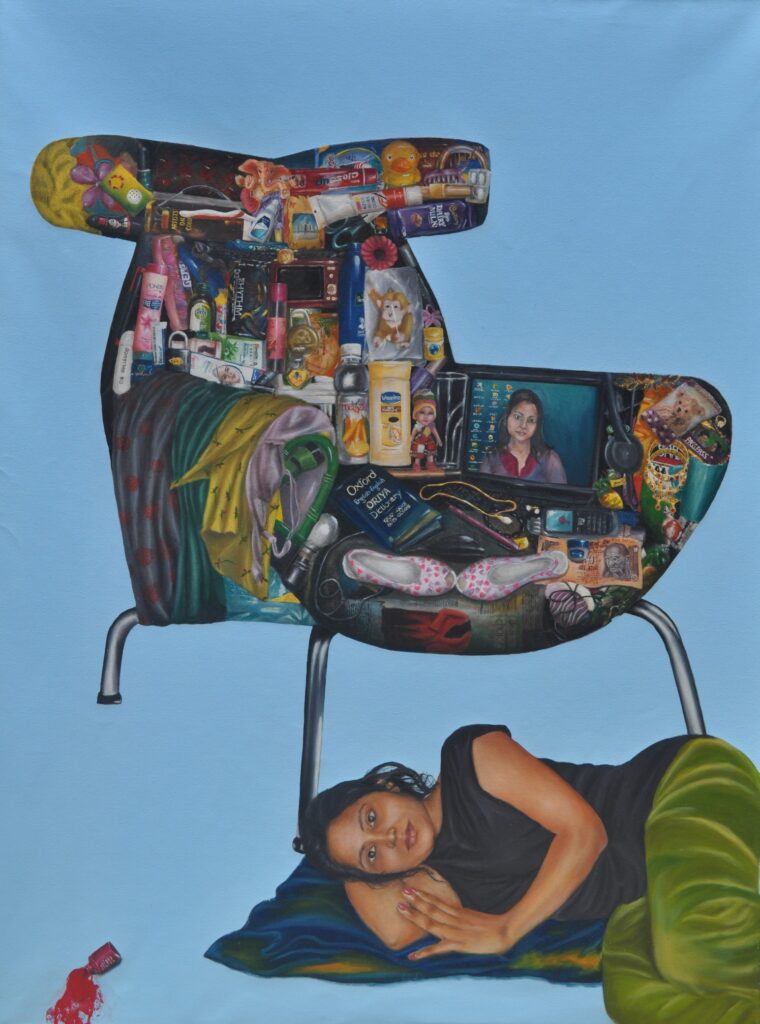
This is what we mean by storytelling through art. A painting may depict a woman looking out of a window, yet behind that image lies a thousand interpretations: longing, freedom, introspection, or resilience.
The absence of words allows these stories to transcend language and geography. Whether it’s a piece inspired by rural life, a protest against social inequality, or an exploration of personal memory, art becomes a bridge connecting emotions across time and culture.
Mojarto’s curated collections embody this essence; each work is a piece of someone’s inner world, open to interpretation yet deeply human.
Artistic Expression and Society: Reflecting Our Shared Realities
No art form exists in isolation. It grows from the soil of society, the same soil that nurtures our values, conflicts, and dreams.
Artistic expression and society are intrinsically intertwined. In India, artists are increasingly responding to themes like urban alienation, environmental anxiety, gender discourse, and spiritual rediscovery.
Through installations, mixed media, and painting, they are offering both reflection and resistance. Art becomes not just an object of admiration but a commentary on our times.
The visual becomes political, the personal becomes universal. And in doing so, art reminds us that beauty can also provoke thought, empathy, and change.
Collectors and enthusiasts are drawn to these works because they represent more than decor; they carry perspective, depth, and truth. Each acquisition becomes a meaningful investment in understanding the world we inhabit.
The Evolution of Indian Art: A Journey Through Time
The evolution of Indian art is a story of adaptation and resilience. From ancient cave paintings to Mughal miniatures and modern conceptual works, Indian artists have constantly redefined creativity.
But what makes the current phase so compelling is its fluidity. There’s no singular style, no fixed ideology. Instead, it’s a melting pot of influences, local narratives meeting global aesthetics, personal emotion blending with collective consciousness.
Digital media and online art platforms like Mojarto have made art more accessible, allowing artists from across India to reach global audiences. The democratisation of art means a talented painter from Baroda or Guwahati can share the same digital space as established names from Delhi or Mumbai.
This accessibility has also changed the way collectors engage with art. They’re no longer just buying paintings; they’re connecting with stories, journeys, and emotions.
Mojarto, in particular, has become a hub for discovering emerging voices in the Indian art scene, helping bridge the gap between creators and connoisseurs.
Why Human Experiences Resonate in Contemporary Indian Art
Every era has its defining artistic voice. For India today, that voice is distinctly human. Artists are not just painting what they see; they’re painting what they feel: loneliness in a crowded city, nostalgia for roots left behind, the fragility of relationships, the search for belonging.
This raw honesty is what makes contemporary Indian art universally relatable. You don’t need to understand art history to connect with a piece that reminds you of something deeply personal.
In this way, Indian artists have succeeded in transforming private emotions into public conversations. The canvas becomes a space where empathy, identity, and imagination converge.
And that’s where its magic lies; it makes us feel seen.
The New Generation of Artists: Redefining Expression
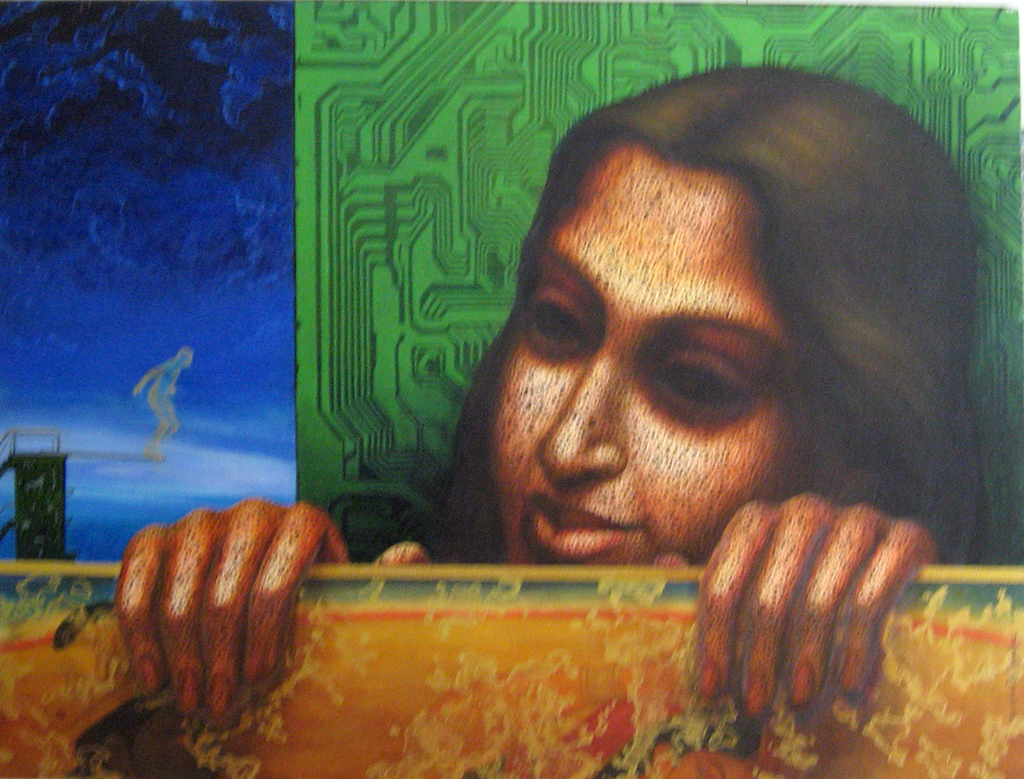
The rise of young and mid-career artists in India has brought fresh energy into the art world. These creators are fearless in experimenting with form, material, and message. They use digital tools, photography, traditional pigments, and found objects with equal ease.
Many are using their platforms to discuss issues close to the heart: mental health, climate change, body image, or marginalised voices. They’re redefining what it means to be an artist in a time of both chaos and creativity.
For collectors and enthusiasts, this means a chance to invest in voices that will shape the next chapter of Indian art. Each artwork is not just a visual statement; it’s a testament to the changing human story of our times.
Mojarto continues to celebrate this spirit, bringing these vibrant stories to audiences who appreciate art not just for its beauty, but for its soul.
Where Art Meets You: A Shared Human Dialogue
Art speaks most deeply when it finds resonance in the viewer. When you look at a painting and feel something stir inside, that’s not a coincidence; it’s a connection.
Every piece on Mojarto’s platform carries that potential for dialogue. Whether it’s a contemplative landscape, an abstract burst of emotion, or a cultural narrative reborn in modern form, these works remind us of what makes us human: the need to express, to connect, to be understood.
Canvas Conversations isn’t just about observing art. It’s about participating in it. About letting your own emotions find a home within colours and forms.
Because ultimately, art isn’t about what’s on the canvas. It’s about what it awakens in you.
Conclusion: The Canvas as a Mirror of Life
The journey of contemporary Indian art is, in many ways, the journey of India itself: diverse, dynamic, and deeply emotional. Artists are using their canvases to explore who we are, what we value, and how we feel in an ever-changing world.
Their works remind us that while technology and trends may shift, the essence of human experience- love, loss, hope, identity- remains the same.
Every painting tells a story, and every viewer becomes part of it.
So when you next browse through Mojarto’s collection, take a moment to listen to the silent conversations happening on each canvas. You might just find your own reflection staring back at you.