
Walk into any serious collection of Contemporary Indian paintings, and you will notice something quietly powerful at work. Beyond colour, form, and surface, there is a sense of recollection. Something remembered, half remembered, or even imagined as memory. This is not accidental. Memory has become one of the most defining forces shaping modern artistic expression in India.
For collectors, curators, and art enthusiasts exploring platforms like Mojarto, understanding the Memory in Indian art is not just an intellectual exercise. It is a way to connect more deeply with the artwork and the artist behind it. Memory gives context, emotion, and meaning. It transforms a painting from an object into an experience.
This blog explores how memory functions in Indian contemporary painting, why it matters today, and how it influences artistic narratives that resonate with both seasoned collectors and first-time buyers.
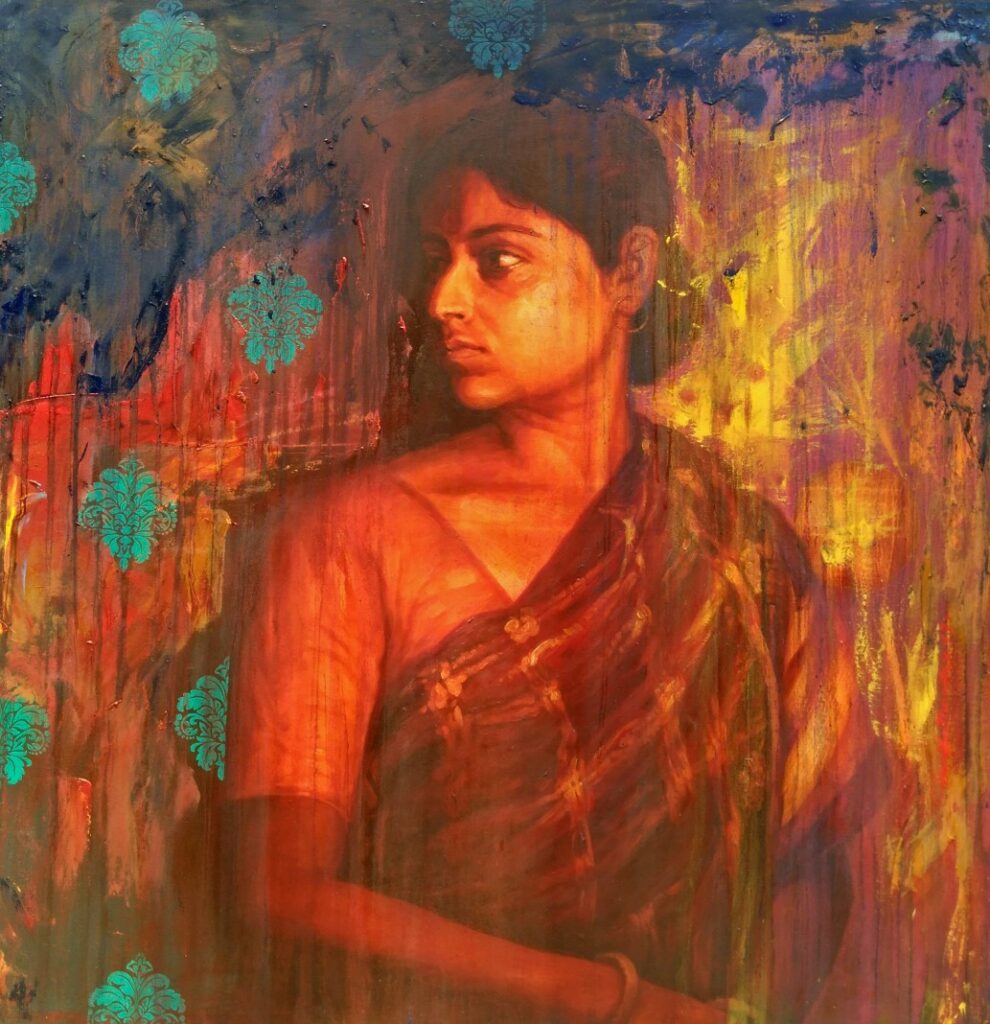
Why Memory Matters in Indian Art Today
India is a country layered with histories. Personal, political, cultural, and spiritual timelines overlap in complex ways. Artists working in the contemporary space often draw from this layered reality. Memory becomes a bridge between past and present.
Unlike traditional narrative painting, where stories were often direct and symbolic, today’s artists engage with memory in subtle ways. Sometimes it appears as fragmented imagery. Sometimes as blurred forms. At other times, it shows up through textures, colours, or even absence.
The Role of memory in painting today is not just about documenting the past. It is about questioning it. Artists revisit childhood, migration, urban change, loss, and identity. They reframe memory not as a fixed record, but as something fluid and evolving.
For buyers and collectors, this makes contemporary Indian art deeply personal. You are not just acquiring a visual piece. You are stepping into someone’s recollection of a moment, a place, or a feeling.
Personal Memory as Artistic Language
One of the most compelling shifts in recent decades is the rise of deeply personal storytelling. Artists are no longer bound by collective narratives alone. They are turning inward.
This is where Personal memory paintings come into focus. These works often draw from intimate experiences such as childhood homes, family rituals, or fleeting encounters. The imagery may appear abstract or symbolic, but the emotional core remains strong.
You might see recurring motifs like old houses, handwritten letters, or faded landscapes. These are not random choices. They act as memory triggers. They invite viewers to reflect on their own experiences.
Collectors are increasingly drawn to such works because they offer relatability. Even when the memory belongs to the artist, the feeling often feels universal.
Memory and the Changing Indian Landscape
Urbanisation has had a significant impact on how artists perceive and represent memory. Cities in India are changing rapidly. Old neighbourhoods are disappearing. Familiar spaces are being replaced by new structures.
This transition has created a sense of nostalgia and loss, which finds its way into Contemporary Indian paintings. Artists capture fragments of what once existed. A street corner, a marketplace, a quiet courtyard. These are painted not as they are, but as they are remembered.
Memory here becomes a form of resistance. It preserves what is fading away. It questions what progress means. It holds onto emotional landscapes even when physical ones vanish.
For art buyers, such works carry historical and emotional value. They are visual archives of a changing nation.
The Subtle Power of Metaphor
Memory in art is rarely literal. It often works through suggestion. This is where the idea of Metaphor and displacement in Indian art becomes important.
Artists use metaphor to represent memories that cannot be expressed directly. A broken structure may stand for loss. A floating figure may suggest dislocation. A repeated pattern might hint at obsession or longing.
Displacement, both physical and emotional, is another recurring theme. Many artists explore migration, whether within India or beyond. Memory becomes a way to hold onto identity in unfamiliar spaces.
This layered use of metaphor makes contemporary Indian art intellectually engaging. It invites viewers to interpret, question, and revisit the work multiple times.
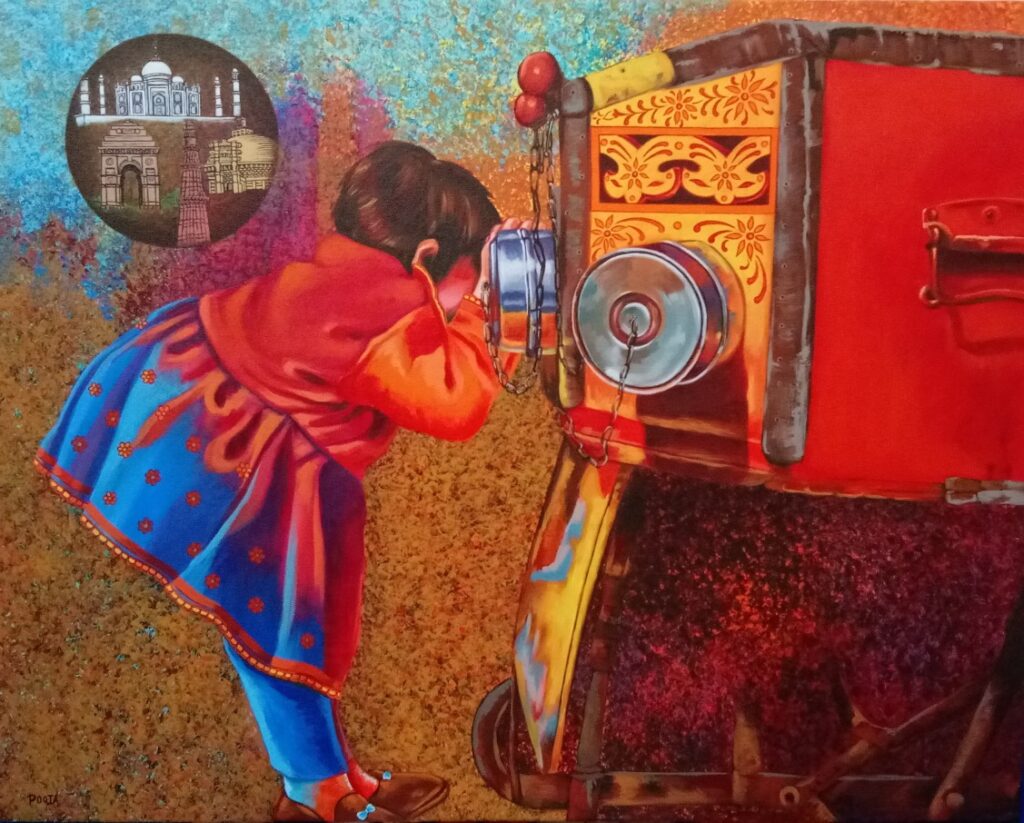
Collective Memory and Cultural Identity
While personal memory is central, collective memory also plays a crucial role. India’s shared histories, festivals, traditions, and even conflicts influence artistic expression.
Artists often draw from mythology, folklore, and historical events. However, instead of presenting them in traditional forms, they reinterpret them through a contemporary lens.
This creates a dialogue between past and present. It allows artists to question established narratives and offer new perspectives.
For collectors, such works provide a connection to cultural roots while still feeling relevant to modern sensibilities. They carry both familiarity and innovation.
Memory as Emotion Rather Than Image
One of the most interesting aspects of Memory in Indian art is that it is not always visual. Sometimes, it is emotional.
Artists often focus on the feeling associated with a memory rather than the memory itself. This can result in abstract compositions where colour, texture, and form take precedence over identifiable imagery.
A canvas filled with muted tones may evoke melancholy. Vibrant, chaotic strokes might suggest excitement or confusion. The viewer is not given a clear narrative but is encouraged to feel.
This emotional approach makes contemporary art more accessible. You do not need to decode symbols or references. You simply respond to what you feel.
The Influence of Time on Memory
Memory changes over time. It fades, distorts, and sometimes becomes more vivid. Artists are deeply aware of this transformation.
In many Contemporary Indian paintings, you will notice layers. Paint applied, removed, and reapplied. Surfaces that look worn or aged. These techniques reflect the passage of time.
The painting itself becomes a metaphor for memory. It holds traces of what came before, even if they are partially hidden.
For collectors, this adds depth. The artwork evolves as you engage with it. Each viewing reveals something new.
Why Collectors Are Drawn to Memory-Based Art
From a sales and marketing perspective, understanding why memory-driven art resonates with buyers is essential.
First, such art offers emotional connection. In a world saturated with digital images, people are seeking something more meaningful. Art rooted in memory provides that depth.
Second, it carries narrative value. Buyers are not just purchasing a painting. They are investing in a story. This enhances the perceived value of the artwork.
Third, memory-based art often reflects broader social and cultural themes. This makes it relevant across different audiences. Whether you are a seasoned collector or someone starting your journey, these works offer both aesthetic and intellectual appeal.
Platforms like Mojarto play a crucial role in making such art accessible. By curating diverse voices and styles, they allow buyers to explore the richness of Indian contemporary art with ease.
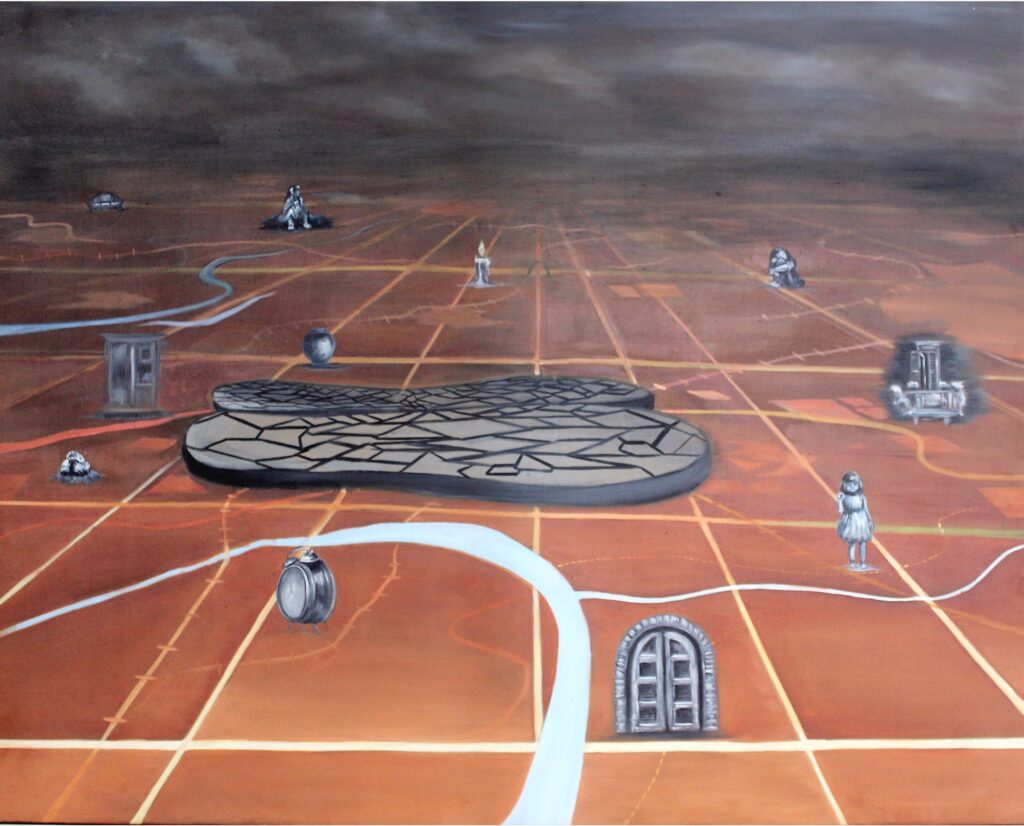
The Intersection of Memory and Identity
Identity is closely tied to memory. Who we are is shaped by what we remember. Artists often explore this connection in their work.
Themes of gender, migration, class, and belonging frequently appear in Contemporary Indian paintings. Memory becomes a tool to examine these identities.
For instance, an artist might revisit childhood experiences to explore questions of gender roles. Another might use memory to reflect on displacement and belonging.
This makes the artwork not only personal but also socially relevant. It speaks to larger conversations while remaining rooted in individual experience.
The Quiet Appeal of Subtle Storytelling
Unlike dramatic or overtly narrative art, memory-based works often rely on subtlety. They do not demand attention. They invite it.
This quiet appeal is particularly attractive to collectors who value depth and nuance. Such artworks reveal themselves slowly. They reward patience and reflection.
In a curated collection, these pieces often stand out not because they are loud, but because they linger in the mind.
Exploring Memory Through Mojarto
For anyone looking to explore the Role of memory in painting, Mojarto offers a thoughtful entry point. The platform brings together a wide range of artists who engage with memory in unique ways.
From abstract interpretations to figurative storytelling, the diversity is striking. Each artwork offers a different perspective on memory. Some are introspective, others expansive.
As a buyer, this allows you to find pieces that resonate with your own experiences and sensibilities. It turns the process of collecting into a personal journey.
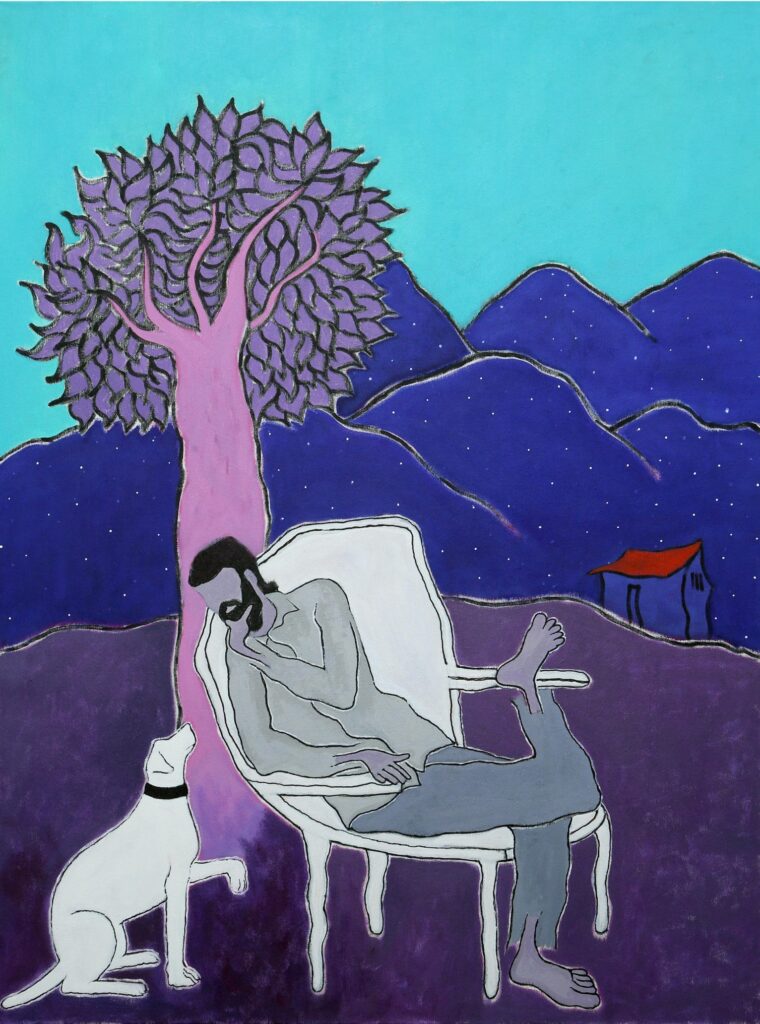
Final Thoughts
Memory is not just a theme in contemporary Indian art. It is a language. It shapes how artists see the world and how they choose to represent it.
The Memory in Indian art today is complex, layered, and deeply human. It moves beyond nostalgia to explore identity, change, and emotion. It connects the personal with the collective, the past with the present.
For collectors and enthusiasts, engaging with such art offers more than visual pleasure. It offers insight. It invites reflection. It creates connection.
As you explore Contemporary Indian paintings, take a moment to look beyond the surface. Ask what is being remembered. Ask what is being felt. You may find that the artwork begins to speak to your own memories as well.
And that is where its true value lies.