
India’s art landscape is vast, colourful, and often dominated by familiar names and mainstream forms. Yet, tucked away in villages, hills, and tribal settlements are artists whose work carries the soul of generations. These creators practice forgotten indigenous art forms in India, forms that are rarely seen in galleries or online but are vital threads of the country’s cultural fabric.
At Mojarto, we believe these voices deserve attention. By highlighting lesser-known tribal artists in India, we aim to bridge the gap between tradition and appreciation, offering collectors and enthusiasts an authentic experience that connects culture, history, and artistry.
Why Forgotten Indigenous Art Forms in India Matter
Tribal and folk art in India is more than decoration. Each motif, colour choice, and brushstroke tells a story—stories of community, ritual, and a relationship with nature that spans centuries. Yet, many of these traditions have been overshadowed by mass-produced art and mainstream commercial demands.
Preserving these forms is not about nostalgia. It is about recognising their relevance today. Collectors and art lovers increasingly seek pieces that carry meaning, heritage, and a human story. By exploring tribal art revival stories India, audiences can see how these art forms are evolving while maintaining their roots.
Supporting such artists has a dual impact: it sustains their livelihoods and ensures that these unique cultural expressions continue to thrive. It is an opportunity to be part of a movement that values authenticity over trendiness, depth over superficial appeal.
Stories of Revival Across India
India’s regions are home to distinct tribal traditions, each with its own language, rituals, and artistic methods. Let’s explore some remarkable examples of revival and resilience.
Odisha: The Revival of Saura Painting
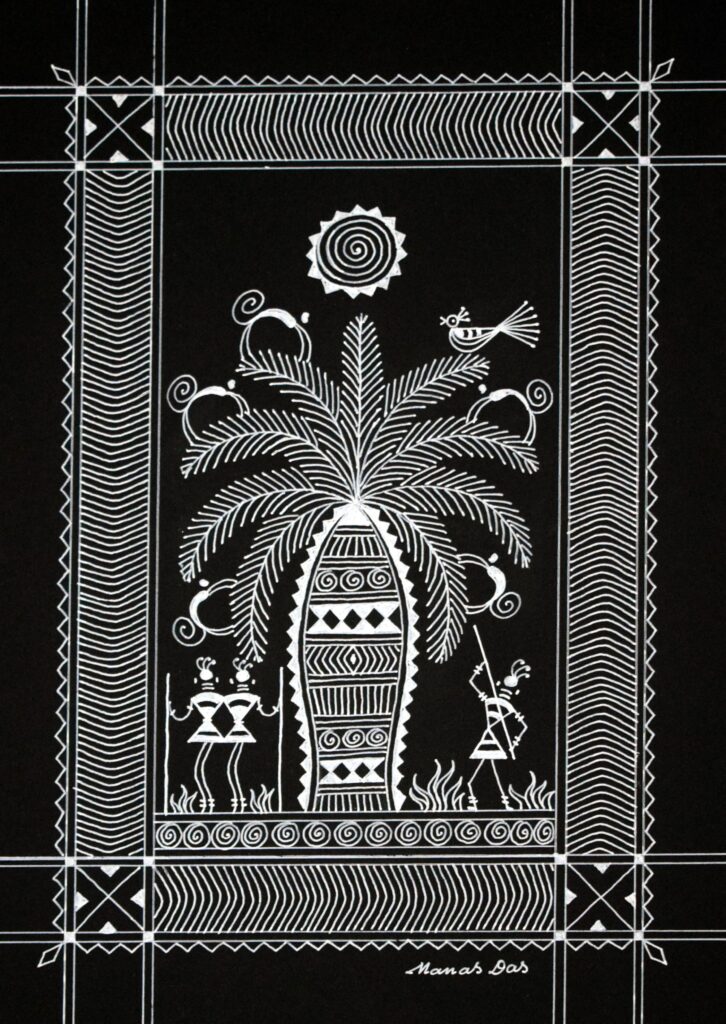
In Odisha, Saura painting has long been used in ritual contexts, adorning the walls of homes during festivals and ceremonies. For many years, these paintings were at risk of fading into obscurity. Today, there is a conscious effort to reintroduce this tradition to the wider world. The revival of Saura painting Odisha has enabled artists to bring these designs onto canvas and textiles, making the art accessible to collectors without losing its cultural significance.
The vivid colours, geometric patterns, and storytelling elements of Saura painting connect viewers to the community narratives embedded in every line. These artworks carry the rhythm of life in the villages, the cycles of seasons, and the stories passed down through generations.
Telangana: Cheriyal Scroll Art Finds New Life
Cheriyal scrolls, originally long narrative pieces used by storytellers, have found a modern audience through the Cheriyal scroll art Telangana revival. Artists are adapting these epic-length narratives into shorter, collectable formats while keeping the essence of the stories intact. Each scroll tells a legend or a tale of gods, kings, and everyday village life, combining vibrant colours with detailed illustrations.
Collectors now have the chance to own a piece of history that is alive, not frozen in time. These scrolls are more than decorative—they are conduits for culture and heritage, connecting urban spaces with rural creativity.
Maharashtra: The Hidden Lives of Warli Artists
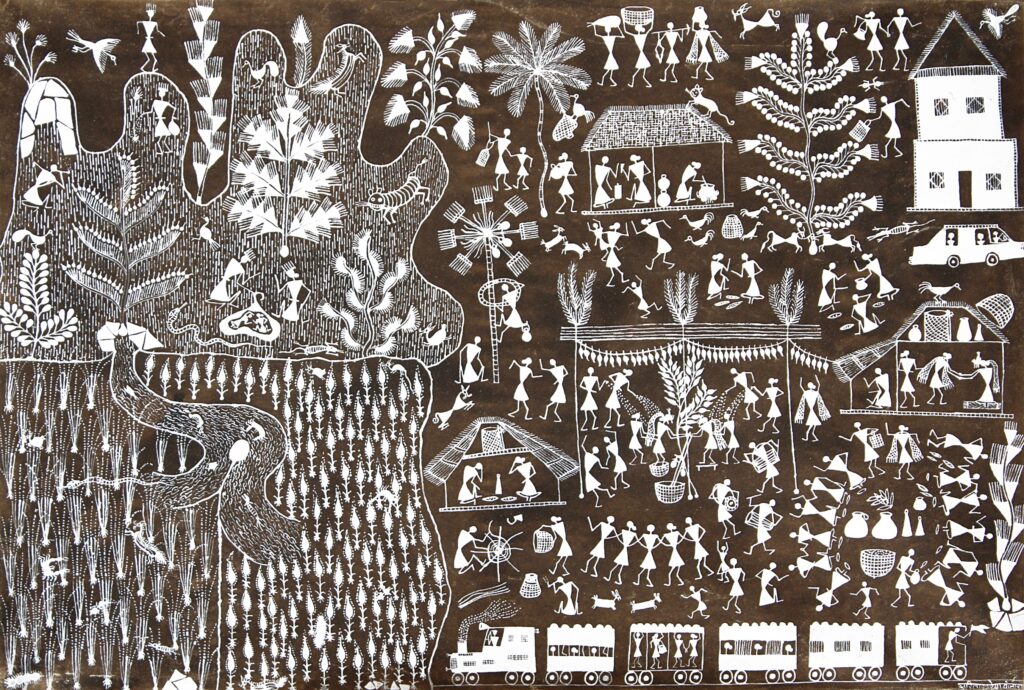
Warli art is celebrated worldwide, yet many Warli creators remain unknown outside their villages. The Warli artist Dahanu, Maharashtra, background represents this gap. For years, these artists practised their craft quietly, passing techniques down through generations. Their works are simple, with human and animal figures in white on earthy backgrounds, but they capture the essence of rural life and community rituals.
By spotlighting these individuals, Mojarto helps collectors understand the context behind the artwork. Purchasing a Warli piece becomes a story-driven experience, connecting art buyers to the lives and traditions of the artists themselves.
Madhya Pradesh and Chhattisgarh: Guardians of Gond Traditions
Gond art, with its intricate dots and lines, is among India’s most recognised tribal art forms. Yet, many artists continue to work in obscurity. The artists preserving Gond art tradition are innovating within their medium, combining ancient techniques with contemporary themes. From nature-inspired compositions to social commentary, their work resonates with both traditional collectors and new audiences seeking cultural depth.
These artists often work under challenging conditions, balancing craft with everyday survival. Supporting them through platforms like Mojarto ensures their art and their stories reach audiences who value heritage, authenticity, and human connection.
The Human Side of Art
Art is never just about technique; it is about the people behind it. The challenging life of tribal artists India is filled with obstacles that many urban collectors might not imagine. Limited access to markets, intermediaries taking large portions of earnings, and cultural misunderstandings are common hurdles.
Yet, despite these challenges, the resilience of these artists shines through. Consider indigenous female artists from India’s tribal communities who balance household responsibilities with painting. Their work is both an expression of identity and a source of empowerment, revealing how art sustains culture and individual agency.
The Real Stories Behind the Canvas
It is not enough to speak of revival abstractly. We must name the people, acknowledge their struggles, and see where support can make a difference.
- Lado Bai, from the Bhil tribal community in Madhya Pradesh, spent years balancing labour work with painting. She was discovered, at last, and now her works are appreciated—but only after intense struggle.
- Durga Bai Vyam, a Gond artist, learned wall ritual motifs from her mother, then evolved them into striking canvases seen across galleries.
- Across India, many artists face the challenging life of tribal artists in India: limited access to markets, lack of exposure, middlemen who take large cuts, and cultural misinterpretation.
These are not romantic struggles; they are real barriers. But when platforms like Mojarto intervene, with fair pricing, storytelling, curation, and marketing, the balance shifts in favour of dignity and sustainability.
Why Collectors and Enthusiasts Should Care
Modern collectors increasingly seek art with meaning. The pieces highlighted in these revival stories offer:
- Cultural depth: Each work is a fragment of heritage, telling stories that span generations.
- Human connection: Acquiring these works connects buyers to the lives and narratives of artists.
- Differentiation: In a market saturated with mass-produced decor, tribal art stands out for its authenticity and originality.
- Impact: Supporting these artists directly contributes to the continuation of their communities and traditions.
By highlighting regional folk artists India unsung, Mojarto positions itself as a platform where appreciation and impact coexist. Every purchase becomes a step in sustaining a living tradition.
Engaging With the Stories
To truly appreciate these works, audiences must engage with them beyond the surface. Mojarto facilitates this connection by providing artist profiles, detailed narratives, and behind-the-scenes glimpses into their lives and methods. Stories of struggle, creativity, and perseverance bring the art to life, turning a simple purchase into a meaningful experience.
Collectors are encouraged to explore art that resonates personally, whether it’s a Cheriyal scroll art Telangana revival, the vibrant revival of Saura painting Odisha, or the delicate lines of a Warli artist in Dahanu. Understanding context enriches both the aesthetic and emotional value of a piece.
Supporting Revival Through Mojarto
Mojarto’s role goes beyond curation. We are committed to:
- Ensuring fair compensation and transparency for artists
- Documenting the narratives and cultural significance behind each artwork
- Offering collectors a platform to engage directly with creators
Through this approach, every artwork becomes part of a larger cultural dialogue, giving collectors a sense of participation in tribal art revival stories India and the wider movement to preserve forgotten traditions.
Conclusion
India’s tribal and indigenous artists hold treasures that go far beyond visual appeal. They embody stories, traditions, and knowledge that are increasingly rare.
Collecting art in this context is more than decoration. It is a choice to preserve culture, support resilient artists, and engage with creativity that has been nurtured for generations. Through revival efforts and storytelling, India’s forgotten art forms can reclaim their rightful place in galleries, homes, and hearts across the world.
At Mojarto, we maintain a growing curated collection of works by regional revival artists, each piece curated with documentation, narrative, and respect. You can browse selections by tribal region, explore individual artist profiles, and support these voices directly. Join us in celebrating forgotten indigenous art forms in India not as relics, but as vibrant, evolving expressions.