
A buyer may fall in love with an artwork because of colour, subject, emotion or memory. But before that connection forms, something quieter happens. The artwork is seen through presentation. The way it is framed in an image, the margin around it, the border that holds it, the white space that lets it breathe and the visual clarity of the listing all influence how the buyer responds.
This is especially important in an online art marketplace. When someone is browsing Mojarto for original Indian paintings, prints, sculptures, photography or digital art, they are not standing in a gallery. They are making decisions through a screen. Every visual detail matters. A strong artwork can lose impact if it is cropped badly, crowded by distractions or shown without enough breathing room. A simple work can look refined and collectable when it is presented with care.
That is the power of white space in art presentation. It does not shout. It does not compete with the artwork. It gives the artwork room to speak.
For buyers, collectors, artists, galleries and resellers, understanding margins, borders and white space can change the way art is viewed, valued and purchased online. On Mojarto, where Indian art is discovered across categories, price points and styles, presentation is not just a design detail. It is part of the buying experience.
Why Presentation Matters in Online Art Buying
In a physical gallery, the room does part of the work. Lighting, wall colour, distance, silence and framing help the artwork feel important. The viewer can walk closer or step back. They can sense scale, surface and presence.
Online, the listing must carry much of that responsibility. The artwork image, border, margin, thumbnail, room view and description all work together to create trust.
If an artwork appears too cramped in the image, the buyer may feel uneasy without knowing why. If the borders are uneven, the presentation may feel careless. If the background is cluttered, the artwork competes for attention. If there is no visual space around the work, the buyer may struggle to understand its scale and finish.
This is why artwork margins and white space are so important. They help buyers see the piece clearly. They make the work feel more deliberate. They create a sense of professionalism around the listing.
On a marketplace like Mojarto, where buyers may compare many artworks in one browsing session, visual clarity can decide whether someone clicks, saves or moves on.

What White Space Really Means in Art Presentation
White space does not always mean the colour white. It means empty or open visual space around an object. In art presentation, it can appear as the area around a painting in a listing image, the border around a print, the mat between an artwork and frame, or the clean background used in online photography.
White space helps the eye focus. It reduces visual noise. It makes the artwork feel more considered. It also gives buyers a better sense of the work as an object, not just an image.
In sales and marketing, white space is often associated with premium presentation. Luxury brands use it because it suggests confidence. The same principle applies to art. When a work is not overcrowded, it feels more valuable. The buyer gets the impression that the piece deserves attention.
For Mojarto collectors, white space can make the online viewing experience feel calmer and more refined. It allows them to compare artworks with less distraction and more confidence.
Margins Help Buyers Understand the Artwork
Margins in artwork presentation serve both visual and practical purposes. They show where the artwork begins and ends. They help the viewer understand composition. They also prevent important details from feeling cut off or pressed against the edge.
For works on paper, prints, drawings and photography, margins can be part of the artwork’s physical identity. A clean margin around a print can create elegance. It can also make framing easier. For paintings, the way the artwork is photographed with a little surrounding space can help buyers understand the canvas edge and presentation style.
In online listings, poor margins can confuse buyers. If an image is cropped too closely, they may not know whether the artwork has a border, whether the edges are clean or whether the full composition is visible. If too much background is included, the artwork may appear smaller or weaker than it is.
Good margins create balance. They let the artwork occupy the centre of attention while giving the eye enough room to rest.
For artists and sellers on Mojarto, this is a practical advantage. A well-presented work looks more credible, more collectable and easier to evaluate.
Borders Can Shape Perceived Value
Borders are not just decorative. They create separation between the artwork and its environment. They can make a piece feel complete, formal, contemporary, traditional, quiet or dramatic depending on how they are used.
Artwork borders for online display are especially important because buyers are seeing the work inside a digital frame already: the website page, the thumbnail, the listing card and the screen. If the artwork itself also has a visible border or framing style, it must be shown clearly.
A traditional Indian work may benefit from a border that respects its visual language. A contemporary abstract may look stronger with a clean, minimal edge. A fine art print may feel more premium with a generous white border. A photograph may need careful spacing to avoid looking like a casual image rather than a collectable work.
For buyers exploring Mojarto, borders help answer a subtle question: how finished does this artwork feel?
The more finished the presentation feels, the easier it becomes for the buyer to imagine owning it.
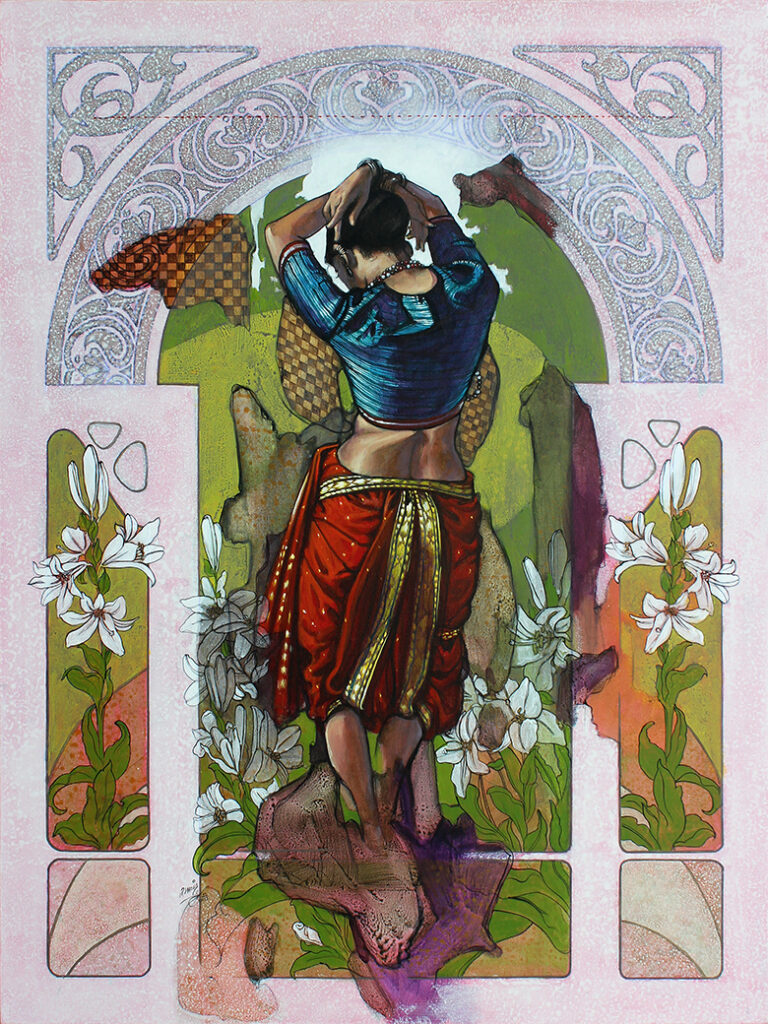
White Space Makes Art Easier to Buy Online
Buying art online involves trust. Buyers want to know what they are getting. They want to see the artwork clearly, understand the scale and feel confident that the piece will look good in real life.
White space supports that trust. It allows the buyer to inspect the work without visual confusion. It makes thumbnails easier to read. It improves mobile browsing, where screen space is limited. It helps the artwork stand out in search results and curated collections.
For Mojarto, this matters because buyers come with different levels of experience. A seasoned collector may know how to read details quickly. A first-time buyer may need more visual reassurance. Good presentation helps both.
White space also improves emotional response. A crowded image can make the artwork feel rushed. A well-spaced image feels calmer. The buyer can pause, look and connect.
In an online marketplace, that pause is valuable.
Why Mojarto Buyers Notice Presentation Even When They Do Not Say It
Most buyers will not say, “I liked the margin around this artwork.” They may not consciously analyse white space, borders or image composition. But they feel the difference.
A neatly presented artwork feels more professional. A poorly presented one can feel uncertain. This affects perceived value.
Mojarto’s audience includes collectors, homeowners, interior designers, gift buyers, galleries, resellers and global buyers interested in Indian art. These buyers may have different budgets and tastes, but they all respond to clarity. They want to feel that the work has been handled and presented with care.
This is especially true for higher-value purchases. The more serious the buyer, the more important presentation becomes. If the artwork is original, the buyer expects accurate images and clear details. If it is a print, they may want to understand paper quality, border, edition and finish. If it is sculpture, they want clean views from multiple angles.
White space in art presentation is part of that professional experience.
Framing and Borders for Indian Art
Indian art is diverse. It includes traditional forms, contemporary works, folk-inspired pieces, abstract paintings, figurative works, spiritual themes, urban subjects, photography, printmaking and digital art. Each type of artwork may need a different presentation style.
For traditional art, borders can feel connected to heritage and ornament. For modern Indian paintings, a clean frame or neutral margin may bring sophistication. For works on paper, matting can protect the artwork and create visual depth. For prints, a generous border can make the piece feel gallery-ready.
Buyers exploring framing and borders for Indian art should think about the artwork’s character first. A bold contemporary work may not need an ornate frame. A delicate drawing may need quiet spacing. A colourful folk-inspired piece may look better when its border complements the rhythm of the work rather than competing with it.
On Mojarto, buyers can explore different categories and styles, then choose framing or display approaches that respect the artwork’s mood.
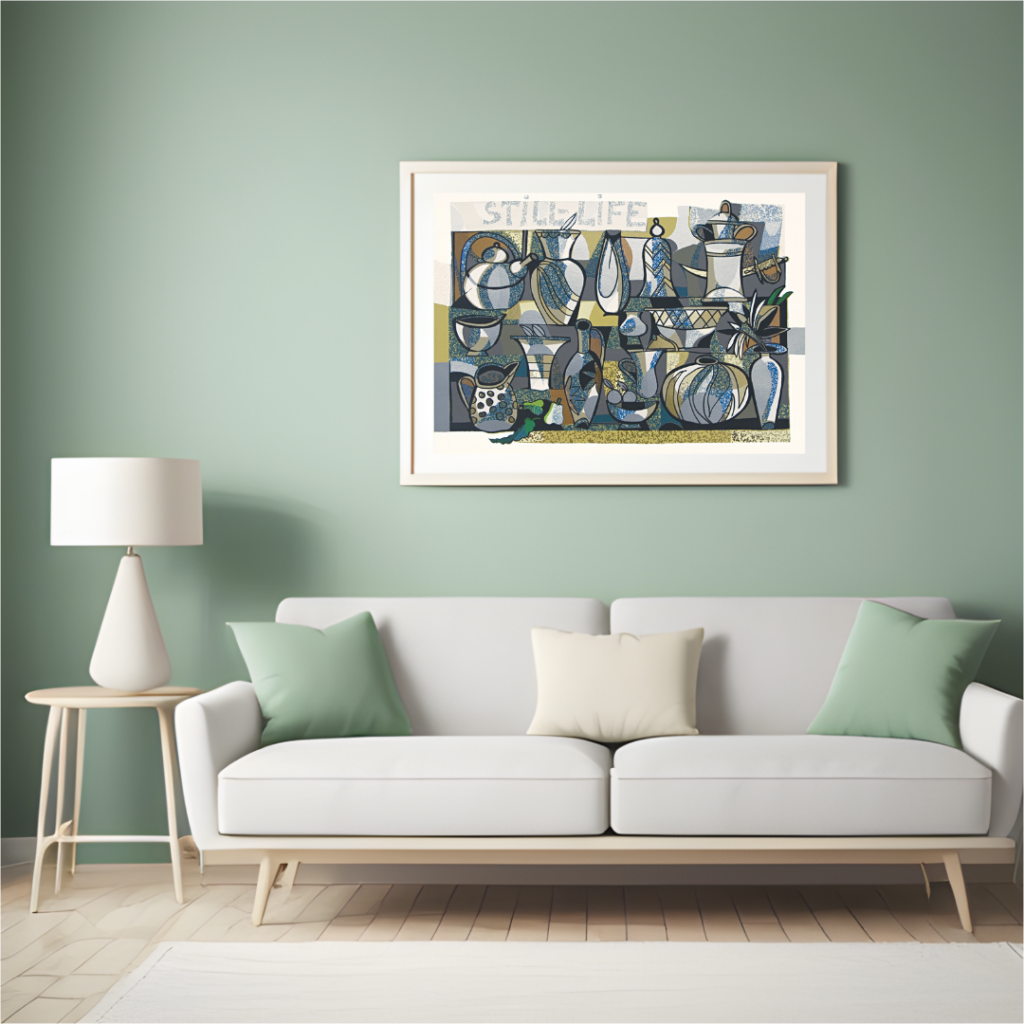
The Sales Psychology of Empty Space
In sales, empty space can create desire. It signals that the product does not need to fight for attention. It allows the buyer to focus on what matters.
The same psychology applies to art. A well-spaced artwork listing can make the piece feel more premium. It suggests care, clarity and confidence. It makes the buyer feel that the artwork has been selected, not simply uploaded.
This is why many galleries use plain walls and careful spacing. The empty space around the artwork is part of the viewing experience. It tells the viewer to slow down.
Online, the same idea must be adapted. The listing image should avoid clutter. The artwork should not be surrounded by distracting objects unless a room-view image is intentionally included for scale. The main artwork image should be clean and direct.
When buyers browse Mojarto, a listing with good white space can feel more trustworthy and easier to consider.
How White Space Helps First-Time Collectors
First-time collectors often feel unsure. They may like art but not know how to judge it. They may worry about size, framing, colour, authenticity or whether the piece will suit their space.
Clear presentation helps reduce that uncertainty. White space makes the artwork easier to study. Margins show the full composition. Borders help the buyer understand finish. Clean images make the piece feel less intimidating.
This matters because first-time buyers are not only buying art. They are buying confidence.
Mojarto supports this journey by giving buyers access to Indian art across mediums and price points. When the presentation is clear, buyers can compare works more comfortably and make better decisions.
Good white space does not pressure the buyer. It gives them room to decide.
How Artists Can Use Margins and White Space Better
Artists selling online should think carefully about how their work is photographed and displayed. The goal is not to make the artwork look different. The goal is to make the artwork understandable.
Use a clean, neutral background for the main image. Make sure the artwork is straight. Leave enough margin so the edges are visible. Avoid cropping important parts of the composition. Include close-ups where texture matters. If the artwork has a natural border, show it clearly. If it is framed, include an image that shows the frame honestly.
For works on paper, show the full sheet if margins are part of the presentation. For prints, mention whether the border is included. For paintings, show whether the sides are painted, raw or framed.
These small details help buyers trust the listing.
For Indian artists online, a marketplace like Mojarto can create wider visibility. But visibility works best when the presentation supports the artwork’s value.
How Collectors Should Evaluate Presentation Before Buying
Collectors should not judge an artwork only by the main image. They should look closely at margins, borders, scale and display details.
Ask whether the full artwork is visible. Check whether the edges are shown. Look for accurate dimensions. See whether the image appears colour-correct. Read the medium and surface details. If the artwork has a border or frame, understand whether that is included or only shown for display.
These are practical art presentation tips for collectors who want to buy confidently online.
Presentation does not replace artistic quality, but it helps reveal it. If the listing is clear, the buyer can focus more easily on the artwork itself.
White Space in Different Types of Art
Different artworks use and need white space differently.
In minimal art, white space may be part of the composition. It can create silence, tension or balance. In abstract art, surrounding space can help the forms breathe. In figurative art, borders can help focus attention on the subject. In photography, margins can make the image feel more collectable. In prints, white borders often add elegance and make framing easier.
In sculpture, white space appears around the object in photography. A clean background and enough room around the sculpture help buyers understand its shape. For digital art, presentation must be sharp and uncluttered so the image does not feel like a casual screen graphic.
Mojarto’s range across paintings, prints, sculpture, photography and digital art makes presentation especially important. Each medium needs a slightly different approach, but the principle remains the same: clarity increases confidence.

Common Mistakes in Online Art Presentation
Many sellers make simple presentation mistakes that reduce perceived value.
They crop too tightly. They use poor lighting. They photograph artwork at an angle. They include clutter in the background. They upload low-resolution images. They show a frame without clarifying whether it is included. They fail to mention border size. They leave out dimensions. They use images where the artwork looks smaller than it is.
These mistakes make buyers hesitate.
In an online marketplace, hesitation can cost a sale. A buyer may not message for clarification. They may simply move to another listing that feels clearer.
The solution is not complicated. Show the artwork honestly, cleanly and completely. Give it enough space. Provide the details that a buyer would ask in person.
Why White Space Can Increase Perceived Value
Perceived value is not only about price. It is about how premium, trustworthy and desirable the artwork feels.
White space can increase perceived value because it creates focus. It makes the artwork look intentional. It helps buyers see quality. It reduces distractions. It gives the listing a gallery-like feel.
This is why brands, galleries and marketplaces care about visual presentation. People trust what looks carefully handled.
For Mojarto, where buyers may be choosing between original works, prints and collectable pieces, presentation can influence whether the buyer feels the artwork is worth the price. Strong margins, clean borders and proper white space help the listing support the value of the work.
Displaying Art at Home After Purchase
Presentation does not end after purchase. Once the artwork arrives, buyers must decide how to display it.
White space on the wall matters too. A painting placed too close to furniture can feel cramped. Too many artworks placed too closely can weaken each piece. A large artwork may need an open wall to create impact. A small work may need thoughtful placement or grouping to avoid getting lost.
Frames, mats and borders should suit both the artwork and the room. A heavy frame can overpower a delicate drawing. A thin frame may not support a large work. A white mat can make a work on paper feel more refined. A dark border can create drama if used carefully.
Collectors who buy from Mojarto should think about the artwork’s final environment. The way a piece is displayed at home can either enhance or reduce its presence.
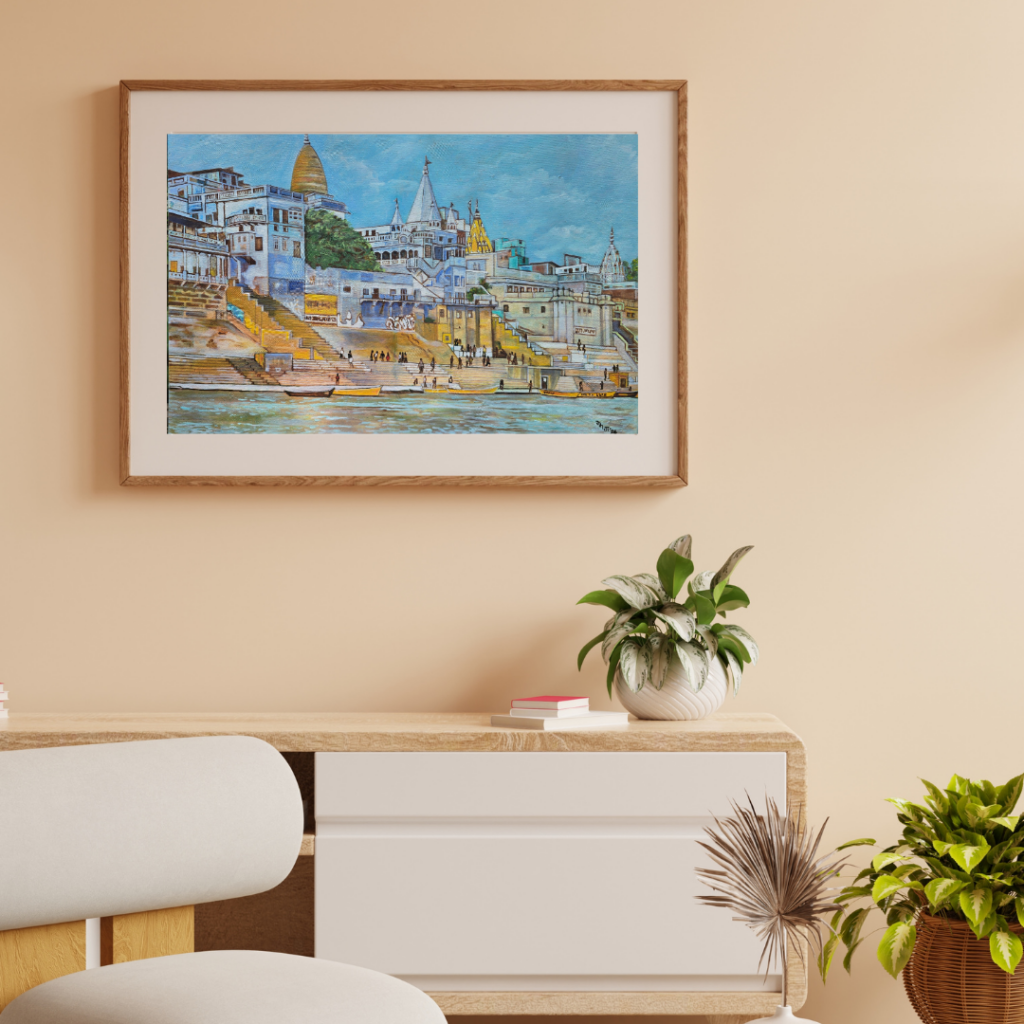
White Space and Marketplace Trust
Trust is one of the biggest factors in online art buying. Buyers want the process to feel serious, safe and transparent.
Good presentation supports that trust. When images are clean and details are clear, buyers feel more confident. When borders, margins and framing are shown properly, the purchase feels less uncertain.
Mojarto’s marketplace connects artists, collectors, galleries and resellers in a digital ecosystem focused on Indian art. In such a space, professional presentation benefits everyone. Buyers get clarity. Artists get stronger perceived value. Sellers get more serious inquiries. The marketplace becomes easier to browse and trust.
Art deserves to be seen well. Online, that begins with presentation.
Final Thoughts
Margins, borders and white space may seem like small details, but they shape how art is experienced online. They influence attention, confidence, trust and perceived value.
For buyers on Mojarto, white space in art presentation helps make Indian art easier to view, compare and choose. For artists and sellers, it can make listings look more professional and desirable. For collectors, it supports better judgement before purchase and better display after purchase.
A beautiful artwork should not feel crowded, unclear or rushed. It should have room to breathe. The margin around it, the border that frames it and the white space that supports it all help the buyer see what matters.
In art, silence can be powerful. In presentation, white space is that silence.
FAQs
1. Why is white space in art presentation important?
White space in art presentation helps the artwork stand out, reduces visual clutter, improves buyer focus and makes the piece feel more professional and valuable.
2. How do artwork margins and white space affect online buying?
Artwork margins and white space make the full composition easier to see. They help buyers understand edges, scale, finish and overall presentation before purchasing online.
3. Why are artwork borders for online display important?
Artwork borders for online display help separate the artwork from the background, clarify the finished look and make the listing feel cleaner and more trustworthy.
4. How should collectors evaluate margins before buying art online?
Collectors should check whether the full artwork is visible, whether edges are shown clearly, whether dimensions are listed and whether any border or frame is included.
5. Can better presentation increase the perceived value of art?
Yes. Clean images, balanced margins, proper borders and enough white space can make artwork feel more refined, credible and collectable to online buyers.