
Walk into any serious art conversation today, and one question quietly sits at the centre of it all. What makes this artist unmistakably themselves?
In India’s fast-evolving art ecosystem, recognition is no longer built only on technique or lineage. It is shaped by something deeper and more personal. The way an artist thinks, repeats certain visual choices, rejects others, and slowly creates a language that feels familiar even before the name is read on the label. This is where contemporary Indian artists’ style becomes not just an aesthetic choice, but a strategic identity marker.
More than ever, contemporary Indian artists’ style defines how artists communicate with audiences, build recognition, and establish lasting careers. Understanding contemporary Indian artists’ style also helps collectors appreciate the deeper narratives behind each artwork rather than viewing it purely as decoration.
For collectors, curators, and art enthusiasts browsing platforms like Mojarto, signature styles act as trust signals. They help viewers understand who the artist is, what they stand for, and why their work matters in a crowded visual world. For artists, this identity becomes the bridge between private studio practice and public recognition.
This article looks closely at how Indian artists shape that bridge and why it has become central to building long-term relevance in today’s market.
The Shifting Idea Of Contemporary Indian Artists’ Style
Indian art has never been static. From miniature traditions to Bengal School ideals to post-independence modernism, artists have always negotiated between inheritance and innovation. What has changed today is the pace and the visibility of that negotiation.
Earlier, an artist’s style often matured slowly within a limited circle of galleries and critics. Today, digital discovery, online exhibitions, and curated marketplaces expose work to a global audience almost instantly. This makes personal style in Indian art both more important and more vulnerable.
Viewers scroll fast. Attention spans are short. An artist’s visual voice needs to speak clearly without explanation. This does not mean simplifying the work. It means being consistent enough that the work feels intentional rather than accidental.
A strong Indian artist identity is no longer built by copying trends or chasing validation. It grows when artists make conscious choices about subject matter, medium, palette, symbolism, and emotional tone, then stand by those choices long enough for the world to recognise them.
The evolution of contemporary Indian artists’ style reflects the changing relationship between tradition, experimentation, and global exposure. Every generation continues to redefine contemporary Indian artists’ style, creating visual languages that are rooted in Indian culture while resonating with global audiences.
How Contemporary Indian Artists’ Style Develops Naturally
Many people assume signature style is something artists decide upfront. In reality, it is usually discovered, not designed.
Most Indian artists begin by absorbing influences. Academic training, regional traditions, urban experiences, political realities, family stories, and personal struggles all leave marks on early work. Over time, patterns emerge. Certain motifs return. Certain gestures feel more honest than others.
This process of repetition and refinement is the foundation of an Indian artist’s signature style. It is less about branding and more about clarity. Artists who pay attention to what keeps resurfacing in their work often find the beginnings of a recognisable voice.
Collectors respond to this authenticity. When browsing on Mojarto, viewers are not just looking for visual appeal. They are reading emotional cues. They sense when an artist is speaking from lived experience rather than borrowing a surface look.
Developing a contemporary Indian artists’ style requires patience, experimentation, and self-awareness. Rather than following market trends, the strongest examples of contemporary Indian artists’ style emerge from authentic personal experiences and artistic conviction.
Identity As A Long-Term Asset For Artists
In a market driven by discovery, identity becomes an asset that compounds over time.
Artists with a clear stylistic direction are easier to place within curatorial narratives. Their work can be discussed, compared, and remembered. This visibility builds trust among collectors who want to follow an artist’s journey rather than make one-time purchases.
From a strategic perspective, this is how artists slowly build an artist brand in India without aggressive self-promotion. The work does the speaking. Each new piece adds another layer to a growing story.
Mojarto plays a role here by providing a space where this evolution can be seen. When an artist’s portfolio shows coherence alongside growth, it reassures viewers that the artist is serious, reflective, and committed to their practice.
Cultural Roots And Contemporary Expression
One of the most compelling aspects of contemporary Indian artists’ style is how seamlessly many artists weave cultural memory into modern frameworks.
This does not always mean overt references to mythology or folk forms. Sometimes it appears in colour choices influenced by local landscapes. Sometimes in narrative structures shaped by oral traditions. Sometimes in the quiet presence of everyday Indian life.
This balance between rootedness and experimentation is what makes Indian art globally resonant today. It allows artists to speak to international audiences without losing their specificity.
For collectors, this depth adds meaning. Owning such work feels like engaging with a living culture rather than consuming a decorative object. It strengthens emotional connection and long-term interest.
The richness of contemporary Indian artists’ style lies in its ability to reinterpret traditional influences through modern perspectives. Whether abstract, figurative, or conceptual, contemporary Indian artists’ style continues to evolve while preserving a distinctive cultural identity.
Consistency Without Creative Stagnation
A common fear among emerging artists is that committing to a signature style might limit growth. In reality, the opposite is often true.
Consistency does not mean repetition. It means continuity. Artists with strong identities allow their work to evolve while retaining a recognisable core. Themes deepen. Techniques refine. Concepts mature.
Viewers enjoy witnessing this progression. It creates a sense of intimacy, as if they are watching an artist think out loud over time. This relationship is central to sustained engagement on platforms like Mojarto.
Understanding how Indian artists build signature style requires recognising this balance. Artists who stay curious while remaining grounded in their visual language tend to build the strongest connections with audiences.
The Role Of Self-Awareness In Artistic Growth
At some point, every serious artist faces a question that has less to do with skill and more to do with honesty. What am I really trying to say?
Finding your artist identity as an Indian painter often begins with this moment of introspection. It involves editing out work that feels forced and leaning into work that feels uncomfortable but true.
This self-awareness translates directly into stronger portfolios. Viewers can sense intention. They notice when choices are deliberate rather than decorative.
For collectors, this clarity signals maturity. It suggests that the artist is not chasing trends but building a personal legacy.
Why Collectors Value Signature Styles
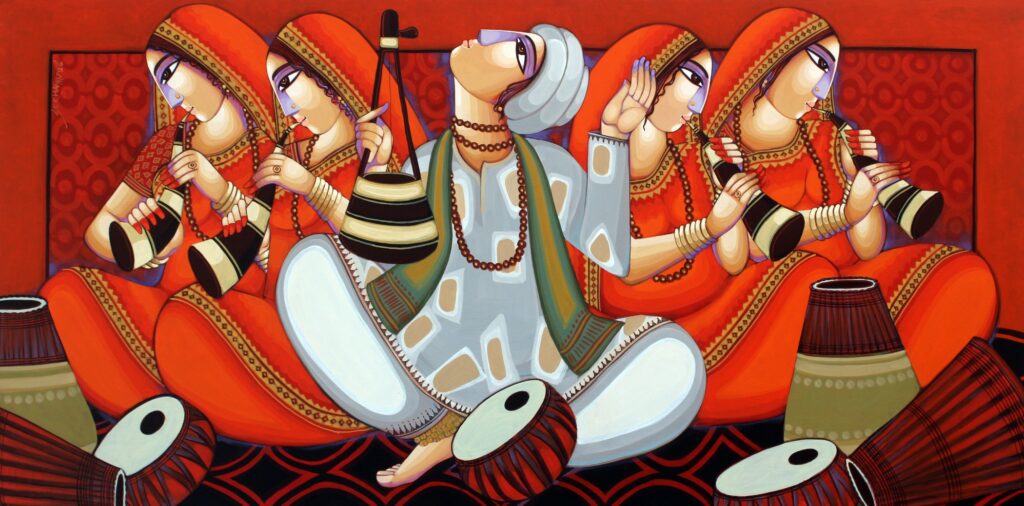
From a buyer’s perspective, signature styles reduce uncertainty.
When a collector understands an artist’s visual language, they feel more confident engaging with new work from that artist. They can anticipate how the work might evolve and how it fits within a broader collection.
This predictability, in the best sense of the word, supports long-term relationships between artists and collectors. It is one reason why identity-driven portfolios perform better over time.
Mojarto’s audience often includes collectors who enjoy discovering artists early and following their journeys. A strong Indian artist identity makes that journey rewarding.
Platforms As Amplifiers, Not Creators
It is important to note that platforms do not create artistic identity. They amplify it.
Mojarto does not impose style. Instead, it highlights artists who have taken the time to understand themselves and articulate their vision. The platform becomes a mirror that reflects clarity back to the audience.
This relationship benefits both sides. Artists gain visibility. Collectors gain confidence. The ecosystem grows healthier when individuality is encouraged rather than diluted.
The Commercial Value Of Contemporary Indian Artists’ Style
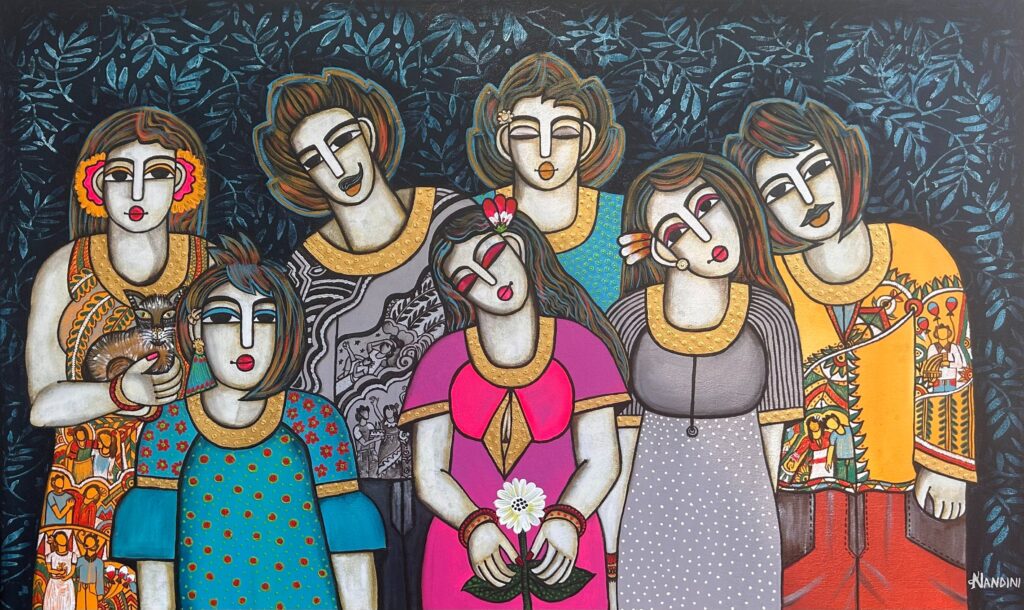
From a marketing perspective, authenticity outperforms imitation every time.
Artists who embrace their unique voices stand out naturally. Their work attracts attention without excessive explanation. Their stories resonate because they are lived, not manufactured.
This is why signature style is not just an artistic concept but a commercial one. It supports discoverability, retention, and trust. It turns viewers into followers and followers into long-term supporters.
For Mojarto, showcasing artists with clear identities strengthens its position as a destination for serious contemporary Indian art. It signals quality, thoughtfulness, and cultural relevance.
Identity As An Ongoing Conversation
Artistic identity is never finished. It shifts with life experiences, social change, and internal growth. What remains constant is the artist’s commitment to listening to themselves.
Indian artists who succeed in today’s spotlight are those who treat style as a conversation rather than a conclusion. They allow their work to question, respond, and evolve while staying rooted in what feels honest.
This approach keeps their practice alive and their audience engaged.
As the Indian art ecosystem continues to grow, contemporary Indian artists’ style will remain one of the strongest factors influencing collector confidence, curatorial decisions, and artistic recognition. Platforms like Mojarto make it easier for audiences to discover and appreciate the diversity of contemporary Indian artists’ style across mediums, generations, and artistic practices.
Closing Thoughts
The journey from studio to spotlight is rarely linear. It involves doubt, repetition, rejection, and discovery. What carries artists forward is not perfection but presence.
In a landscape where attention is fleeting, a clear and authentic signature style becomes a quiet anchor. It helps artists speak without shouting and allows audiences to listen more closely.
For collectors exploring Mojarto, these voices offer more than visual pleasure. They offer stories, perspectives, and identities shaped by a uniquely Indian experience yet open to the world.
In the end, style is not about being different for the sake of it. It is about being recognisable because the work could not belong to anyone else.