
For decades, Indian art was often approached as an object of beauty. It was admired for colour, surface, ornamentation, and the sense of cultural richness it brought into a space. Today, something deeper is unfolding. Across studios, galleries, and collectors’ conversations, contemporary Indian art is no longer content with being visually pleasing alone. It is asking questions. It is looking inward. It is speaking about identity, memory, belief, conflict, and belonging.
This growing shift marks an important moment for Indian art lovers and collectors. The movement toward introspective contemporary Indian art is not a trend driven by aesthetics. It is a reflection of how India itself is changing and how artists are responding to that change with honesty and restraint rather than decoration.
This is not a rejection of beauty. It is a redefinition of it.
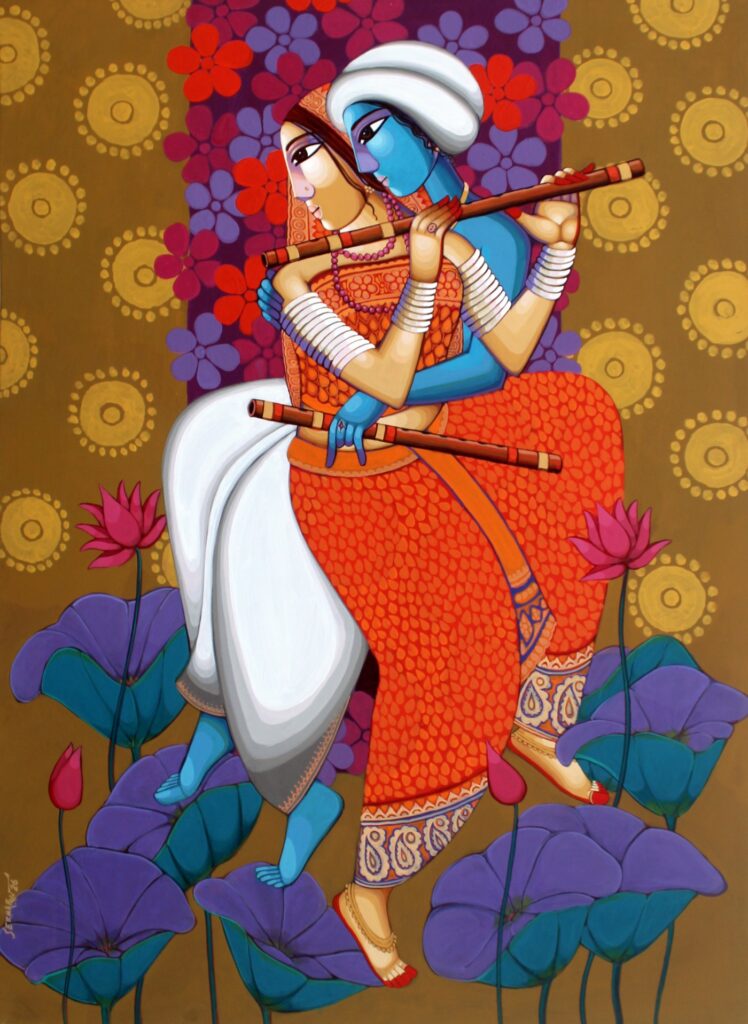
From Ornament to Observation: A Quiet Cultural Shift
Indian visual traditions have always been layered with symbolism, from temple murals to miniature paintings. Yet for a long time, modern art consumption leaned heavily toward the decorative. Paintings were chosen for symmetry, colour harmony, or how well they filled a wall. Meaning was appreciated, but often secondary.
What we are witnessing now is an evolution that mirrors larger social shifts. Urbanisation, global exposure, personal displacement, and spiritual questioning have all shaped the contemporary Indian psyche. Artists are responding by moving away from surface-level narratives toward works that demand contemplation.
This shift from decorative to meaningful art in India is subtle but powerful. The palette is often quieter. The compositions more restrained. The subjects more personal. Instead of pleasing the eye immediately, these works linger in the mind.
Collectors today are not just asking, “Does this look good?” They are asking, “What is this work trying to say, and why does it resonate with me?”
Identity, Memory, and the Artist’s Inner World
One of the strongest forces behind Indian art introspection and identity is the artist’s relationship with selfhood. Many contemporary Indian artists are working through questions of who they are in a rapidly changing country that sits between tradition and global modernity.
Themes of migration, fractured family histories, inherited trauma, and cultural duality appear frequently. These narratives are not loud or dramatic. They are layered quietly into textures, forms, and recurring symbols.
This focus on inner meaning in Indian art marks a departure from storytelling that seeks approval. Instead, artists are turning inward, using their practice as a form of self-examination. The result is work that feels deeply personal yet widely relatable.
Collectors often describe such artworks as pieces that “grow on you.” They reveal something new each time they are encountered. That quality is not accidental. It is the outcome of art that is made to be lived with, not merely displayed.
Spirituality Reimagined for the Present
Spiritual themes have always been part of Indian art, but contemporary interpretations look very different from traditional iconography. Instead of deities or mythological scenes, today’s artists explore spirituality through abstraction, silence, repetition, and absence.
This evolution of spiritual themes in contemporary Indian painting reflects a shift away from organised belief toward personal experience. Artists are engaging with meditation, impermanence, ecological awareness, and existential questioning. The sacred is no longer external. It is internal.
These works often resist easy interpretation. They invite the viewer into a shared space of reflection rather than offering clear answers. For collectors, this creates a relationship with the artwork that feels intimate rather than ornamental.
Art becomes a companion in thought rather than a statement piece.
The Collector’s Mindset Is Changing Too
The rise of introspective contemporary Indian art is inseparable from the changing mindset of collectors. A new generation of art buyers is less interested in status-driven acquisition and more focused on emotional and intellectual connection.
This audience spends time understanding an artist’s journey, influences, and philosophy. They are drawn to works that reflect complexity and vulnerability. The question is no longer about filling a space but about starting a conversation, even if that conversation is internal.
This is where platforms like Mojarto play a crucial role. By presenting curated contemporary Indian art that prioritises depth, context, and artistic intent, Mojarto connects thoughtful collectors with work that aligns with this shift in sensibility.
When collectors search for why contemporary Indian art is more introspective than decorative, they are often seeking validation for a feeling they already have. They sense that something has changed. The market is simply catching up to that awareness.
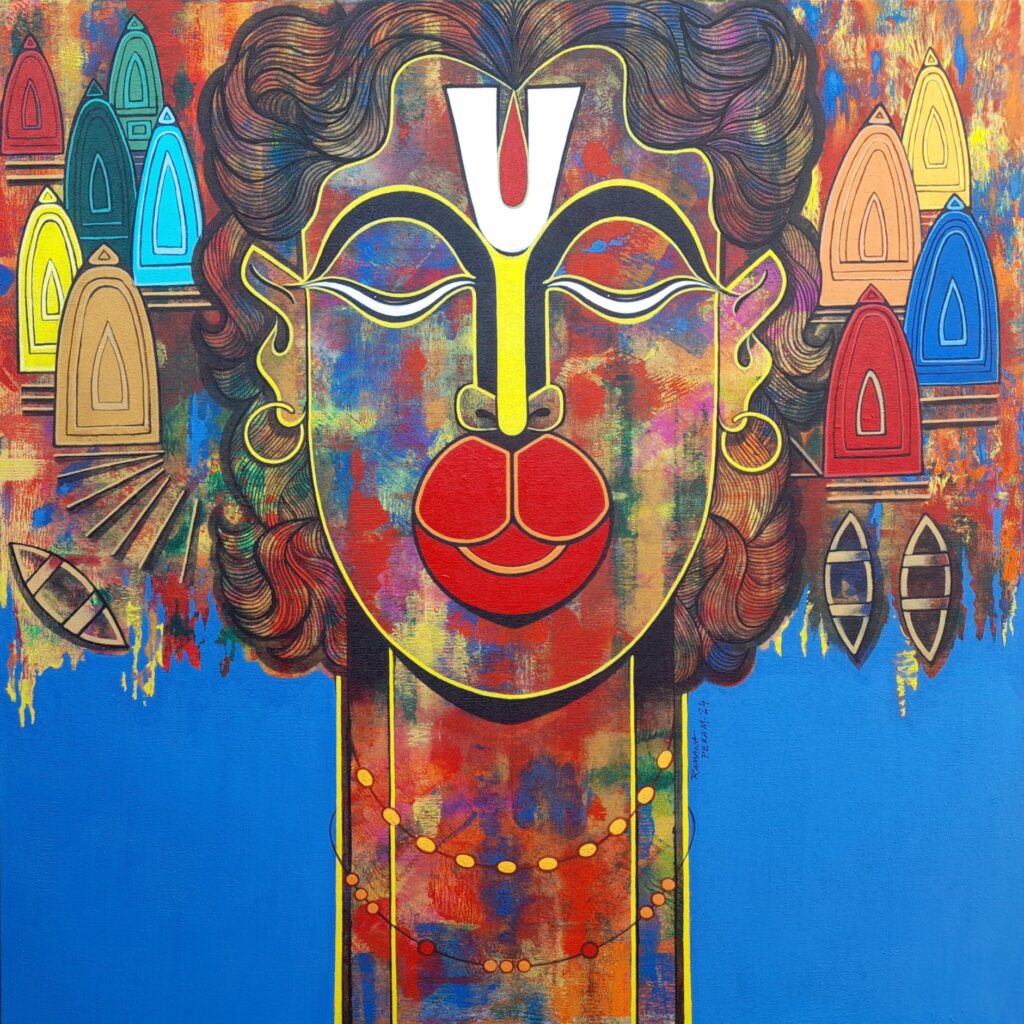
A Return to Thoughtful Storytelling, Not Visual Noise
Another factor driving this movement is fatigue. Visual overload is everywhere, from digital screens to urban environments. In response, contemporary Indian artists are choosing restraint over spectacle.
Minimalism, negative space, and subdued tones are increasingly common. This does not mean the work lacks intensity. On the contrary, it concentrates meaning rather than spreading it thin.
This approach aligns with the broader evolution of Indian art from decorative to conceptual, where ideas are given as much importance as technique. The artwork becomes an experience rather than an object. It asks viewers to slow down, something that feels almost radical in today’s fast-paced world.
For collectors, owning such work is less about display and more about presence. The artwork becomes part of daily reflection rather than background décor.
Introspection as a Mirror of Contemporary India
India today is complex, layered, and often contradictory. Contemporary art reflects this reality with honesty. Artists are engaging with social change, environmental anxiety, gender, memory, and loss, not as activists alone, but as individuals living through these shifts.
This personal lens is what gives introspective contemporary Indian art its strength. It does not preach. It observes. It questions without demanding agreement.
The result is art that feels grounded in the present moment while remaining timeless. These works resist being dated because they are rooted in human experience rather than trends.
Collectors who engage with such art often speak of a sense of recognition. The artwork articulates emotions they may not have words for. That emotional clarity is far more enduring than decorative appeal.
Why This Matters for the Future of Indian Art
The growing preference for introspective art signals a maturing art ecosystem. Artists feel freer to explore vulnerability. Collectors feel more confident trusting their emotional responses. Platforms like Mojarto serve as bridges between these two worlds, offering access to work that prioritises meaning over surface appeal.
This shift does not diminish India’s rich visual heritage. It builds upon it. The decorative traditions remain respected, but contemporary voices are expanding the definition of what Indian art can be.
As more collectors seek depth, narrative, and authenticity, introspective contemporary Indian art will continue to shape the future of the market. It aligns with a global movement toward mindful living, cultural reflection, and conscious collecting.

Closing Thoughts
The question is no longer whether Indian art is decorative or introspective. It is about how thoughtfully it engages with the world we live in. Contemporary Indian artists are choosing honesty over ornament, reflection over excess, and meaning over spectacle.
For collectors, this represents an opportunity. To engage with art that does not just fill space, but holds space. To build collections that reflect inner journeys as much as visual taste.
At Mojarto, this evolving narrative is not observed from a distance. It is curated, supported, and shared with an audience that understands that the most powerful art often speaks softly.
In a time when noise is everywhere, introspective art offers something rare. Stillness. Depth. And the freedom to look inward.