
For centuries, India’s artistic landscape has been shaped by women. Sometimes they appeared on canvas as symbols of grace or idealised beauty. Sometimes they surfaced as silent metaphors of desire, devotion or domesticity. In recent decades, something far more interesting has unfolded. Women are now stepping into the studio as creators with their own voice, reshaping how femininity is understood.
This shift has transformed how collectors, curators and art lovers experience Women in Indian art. What was once a story about observation is now a story about expression. Mojarto has watched this change closely while working with artists across the country, and it has opened an exciting new chapter for people who want to discover art that feels personal, honest and rooted in lived experience.
The Changing Lens
Older visual traditions often placed women at the center of the frame yet rarely allowed them individuality. Historical works from miniature painting to classical sculpture rarely showed women with full emotional or psychological depth. They often appeared as dancers, consorts, goddesses or anonymous subjects symbolizing beauty or fertility.
This early Representation of women in Indian art was shaped by the perspectives of male artists. Their gaze influenced how women were presented. Expressions were softened, gestures refined and roles limited. These works remain important, but the narrative has broadened in remarkable ways.
Today a new generation of Indian women artists is reframing this story. They are not only challenging earlier perceptions but also creating space for newer conversations on identity, memory, body politics and emotional truth. This evolution is reshaping how art buyers engage with artworks that revolve around femininity.
From Muse to Maker
The idea of Women as muse in Indian painting has a long lineage. Women were admired for their form but rarely acknowledged for their interior worlds. The muse was inspirational yet silent. The maker, on the other hand, is independent, curious and deeply intentional.
Modern and contemporary art movements in India created the conditions for this transition. Artists like Amrita Sher-Gil paved the way by painting women with raw honesty. Instead of romanticizing them, she showed them in moments of solitude, contemplation and everyday life. Her approach changed the paradigm because it honored the individuality of each woman she portrayed.
Today many female artists India are building on this foundation. They are not only painting women but telling their own stories. When collectors engage with their work, they experience something richer than the idealized feminine forms of the past. These artworks carry lived memory, emotional weight and a sense of genuine authorship.
Femininity Reimagined
Modern depictions of womanhood in India cover an entire spectrum. Artists are exploring themes that resonate with real life rather than archetypes. This has resulted in a powerful shift in how people interpret Femininity in Indian contemporary art.
Some artists use abstraction to explore the inner landscape of the mind. Others work with figurative forms to express personal histories, relationships or cultural transitions. Many address how the roles of women have changed in India, from independence to education, movement, safety, body image and daily realities.
What makes these works compelling for collectors is how they speak both personally and universally. They do not attempt to fit femininity into a single idea. Instead, they reflect its many versions strength, vulnerability, silence, chaos, joy, confusion and tenderness.
The diversity of expression in this field has made it one of the most engaging categories on Mojarto. Buyers appreciate art that feels relatable instead of ornamental, and the shift towards authenticity has made this genre especially sought after.
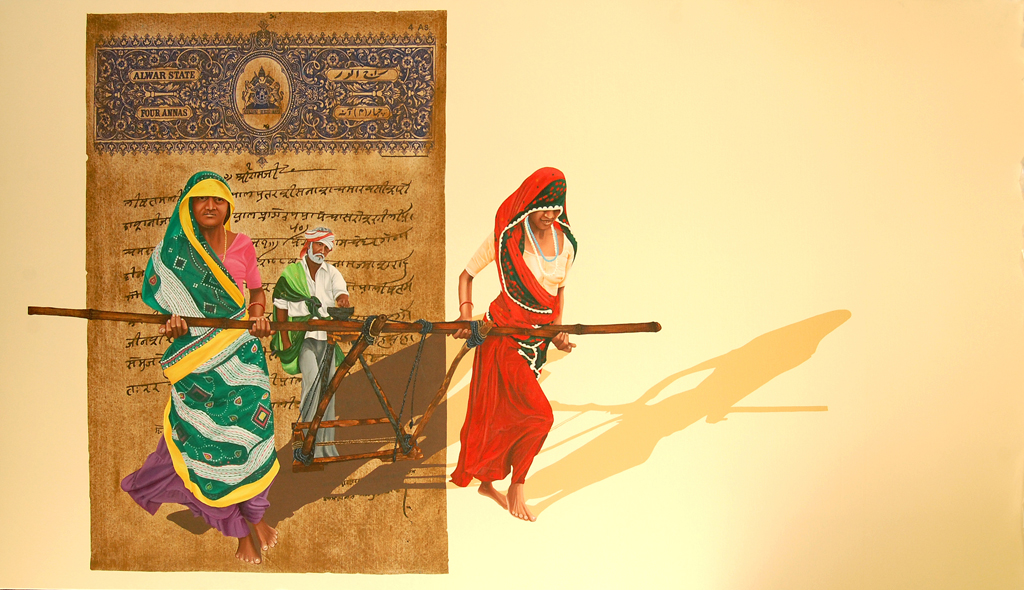
The Voice of the Artist
A key reason behind the transformation of Women in Indian art is the growing presence of women who are telling their own stories visually. These creators are using paint, printmaking, mixed media and digital tools to bring personal narratives into public conversation.
Some speak about familial memory. Others reflect on urban life or rural heritage. Some address the expectations placed on women. Many examine the body and emotions without the filters of tradition. Because each artist brings her own life into the work, the results are intimate yet powerful.
Mojarto regularly features Contemporary Indian women artists whose work captures this authenticity. Their presence has changed how audiences engage with the genre. People who collect art today are looking for meaningful connections. They want to understand the artist, her background and the story behind the work. This personal narrative enriches the experience of bringing a piece home.
A New Kind of Collector Interest
As representation evolves, so does the interest of the audience. Collectors today are curious about artworks that challenge the familiar gaze and offer fresh interpretations of womanhood. They seek work that feels honest and layered.
Another shift has occurred in the demographic of buyers. More women are collecting art, and they often gravitate toward creators whose work echoes their own experiences. This has boosted visibility for women in the arts while strengthening demand for nuanced storytelling.
Search trends within the art market also reveal the rising popularity of themes related to identity, belonging and resilience. These themes are commonly explored by Indian women artists who approach feminine expression with cultural depth.
Cultural Influence and Local Context
Indian art has always drawn from culture. From mythology to festival practices, from regional crafts to storytelling traditions, these influences shape how artists explore femininity.
For example, some artists draw from local rituals or oral histories passed down through generations. Others adapt motifs from nature, textiles or folk symbols to express ideas of growth, motherhood or transitions. Because these works carry layers of cultural meaning, they appeal to audiences who value art with heritage and emotion.
This blend of tradition and contemporary insight makes the field richer. It shows how femininity continues to evolve while staying connected to Indian identity.
Themes That Resonate Today
Several recurring themes appear in the works of modern women creators. They reflect aspects of life that many people recognize.
1. Identity and Selfhood
Artists explore how women define themselves beyond roles or expectations. These works reveal internal worlds and invite the viewer to reflect on their own experiences.
2. Body and Belonging
Rather than idealizing the body, many artists portray it with honesty. This shift challenges old norms and has become a strong symbol of Feminism in Indian art.
3. Memory and Emotion
Personal and collective memories often appear in subtle ways through color, form or narrative scenes. The emotional quality of these works attracts collectors who appreciate deep storytelling.
4. Social Change
Some artists comment on modern realities such as mobility, independence and personal freedom. These works speak to a new generation that sees womanhood through a wider lens.
Why This Matters for the Art Market
This transformation has had a significant impact on the Indian art market. Collectors are increasingly seeking works by women because they offer originality, sincerity and cultural insight. The demand for this category has grown year after year, and many buyers consider it one of the most compelling fields to follow.
For a platform like Mojarto, which showcases a diverse range of creators, this shift opens doors for audiences to discover new voices. It also encourages more women artists to share their work confidently, knowing that there is a community ready to engage with their vision.
The Future of Women in Indian Art
The coming years are likely to bring even more dynamic change. As more women use art to express personal truth, the genre will continue expanding in unexpected ways. New styles, fresh perspectives and bolder narratives will shape the next phase of growth.
This evolution is not just about increasing visibility. It is about redefining how Indian art understands femininity. Instead of limiting women to symbolic roles, artists now explore complexity. Instead of focusing on appearance, they reveal emotion, identity and lived experience.
This depth is what makes the field meaningful for collectors. Art that carries authenticity has lasting value. It grows in relevance over time and remains emotionally significant long after it is acquired.
A Closing Thought
To understand Women in Indian art today is to recognize a powerful cultural shift. Women are not just present on canvas. They are shaping the canvas. They are expanding how we see the world. They are introducing perspectives that refresh our understanding of beauty, strength, vulnerability and resilience.
When collectors engage with artworks created through this lens, they are not simply acquiring objects. They are participating in a movement that honors real experiences and evolving identities. This is what makes the field so vibrant and essential to follow.
The story of women as muse and maker is far from complete. It continues to grow, filled with voices that deserve to be seen, heard and celebrated. Mojarto is proud to be part of this journey and to introduce audiences to the artists who are redefining what femininity means in Indian art today.