
In the shifting landscape of Indian art, abstraction has emerged as a powerful visual language for interpreting lived experiences that are often complex, layered, and emotionally charged. Rather than offering literal depictions, many artists choose to fragment form, distort colour, and disrupt space to reflect the realities surrounding them. This approach allows personal memory, collective anxiety, and cultural tension to coexist on the same surface. Within this evolving context, abstract expressionism in India has become a subtle yet compelling means of addressing social realities without relying on direct narrative, inviting viewers to feel before they fully understand.
Historical and cultural grounding
The roots of non-representational art in India are deeply connected to cultural plurality and philosophical thought, where symbolism has long been valued over realism. In recent decades, contemporary Indian abstraction has drawn from this heritage while responding to urbanisation, migration, and shifting identities. Artists absorb stimuli from crowded cities, fragmented traditions, and rapid social change, translating them into visual rhythms rather than fixed images. The canvas becomes a space where past and present intersect, allowing social realities to appear as textures, tensions, and silences instead of explicit scenes.
Visual language and material choices
Material experimentation plays a crucial role in how meaning is formed. In abstract painting in India, artists often manipulate surfaces through layering, scraping, and staining, creating tactile histories within a single work. These material decisions echo lived realities such as erosion of values, accumulation of memories, or the pressure of time. Colour fields may clash or dissolve, suggesting conflict or uncertainty, while empty spaces hint at absence and loss. Such visual strategies allow social conditions to be embedded into form itself rather than explained outright.
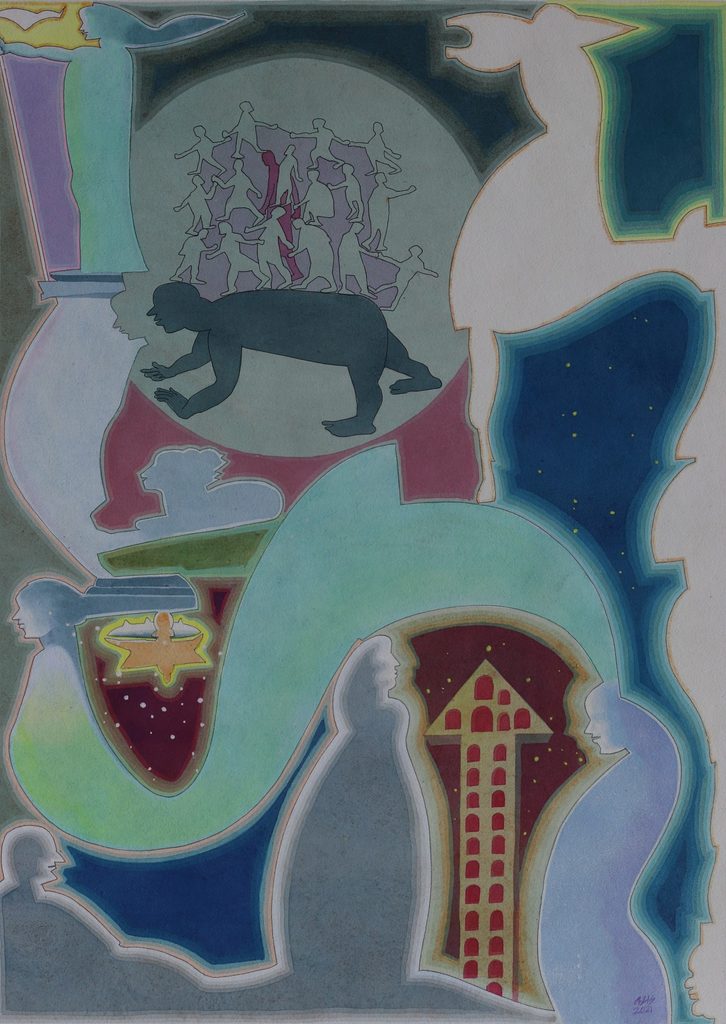
Abstraction and Contemporary Indian Art
The growing diversity of contemporary Indian art has expanded the ways artists respond to society and culture. Across different mediums, Indian abstract artists are using visual experimentation to explore themes of identity, memory, displacement, transformation, and belonging. Abstract compositions can capture experiences that are difficult to express through realistic imagery, making them especially relevant to the complexities of modern life. Through bold colours, expressive gestures, layered surfaces, and unconventional forms, artists create contemporary abstract paintings that encourage viewers to look beyond the visible. This evolving approach has strengthened the place of Indian abstract art within the broader contemporary art movement, offering collectors and art enthusiasts new ways to engage with India’s changing cultural landscape.
Responding to social tension
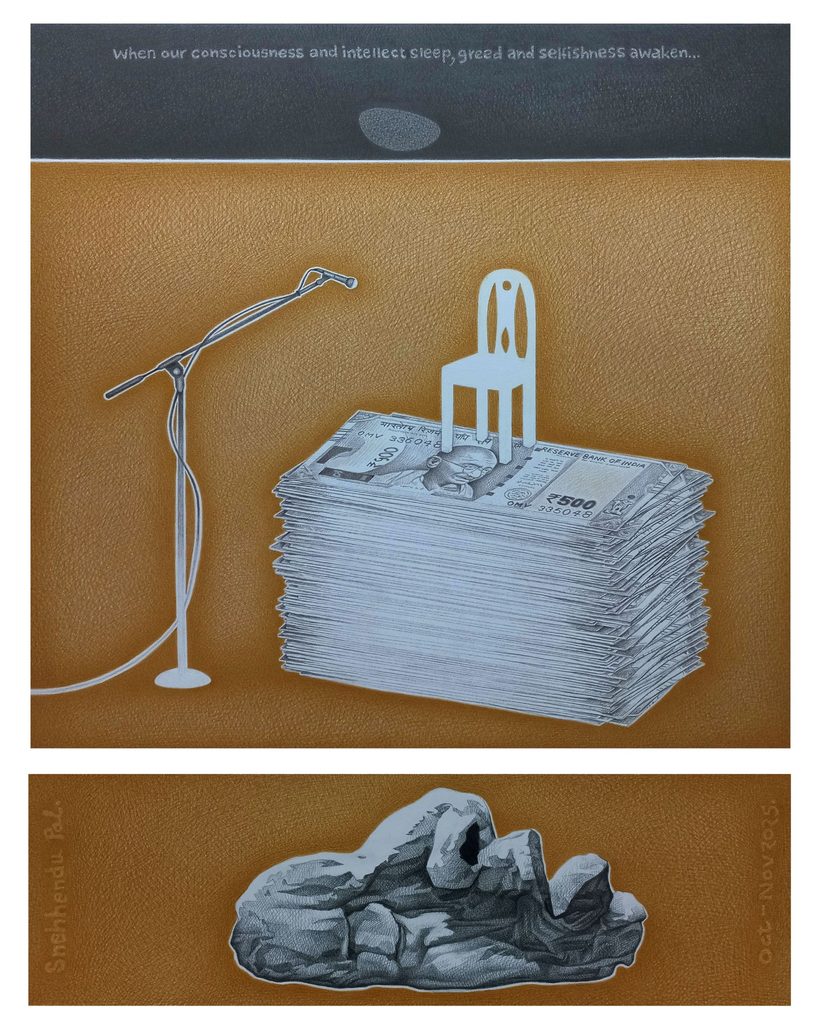
Abstraction has also become an indirect yet effective tool for engaging with power structures and collective unrest. Socio-political art in India does not always rely on slogans or symbols; instead, it can emerge through imbalance, disruption, and controlled chaos within the composition. Jagged lines may evoke instability, while repetitive marks can suggest surveillance or conformity. By avoiding explicit imagery, artists protect the emotional core of their work, allowing viewers to confront discomfort intuitively rather than defensively.
Emotional realism beyond imagery
What makes Abstraction art particularly resonant is its ability to convey emotional truth without descriptive clarity. Social realities are not only external events but internal responses—fear, hope, fatigue, resilience. Through abstraction, artists give form to these inner states. A muted palette may speak of exhaustion, while explosive gestures can imply protest or urgency. This emotional realism often feels more honest than literal representation, as it mirrors how individuals actually experience social pressure in their daily lives.
The role of ambiguity
Ambiguity is central to the strength of abstract expressionism in India. By refusing a single interpretation, artists allow multiple social readings to coexist. A viewer might see alienation where another senses transformation. This openness reflects the diversity of Indian society itself, where realities differ dramatically across regions and communities. Abstraction becomes a democratic space, encouraging dialogue rather than dictating conclusions, and allowing social meaning to evolve with each encounter.
The growing landscape of contemporary Indian art has given abstract artists greater freedom to respond to the changing realities of society. From established practitioners to emerging Indian abstract artists, their works often explore identity, migration, urbanisation, cultural memory, environmental concerns, and the emotional impact of rapid social change. Modern Indian art increasingly demonstrates that abstraction can carry cultural and social meaning even without recognisable figures or narratives. Through expressive brushwork, layered textures, geometric forms, and shifting colour palettes, artists transform everyday observations and personal experiences into visual statements. This evolving approach has positioned Indian abstract art as an important part of the contemporary art landscape, connecting individual expression with broader social conversations.
Urban influence and psychological space
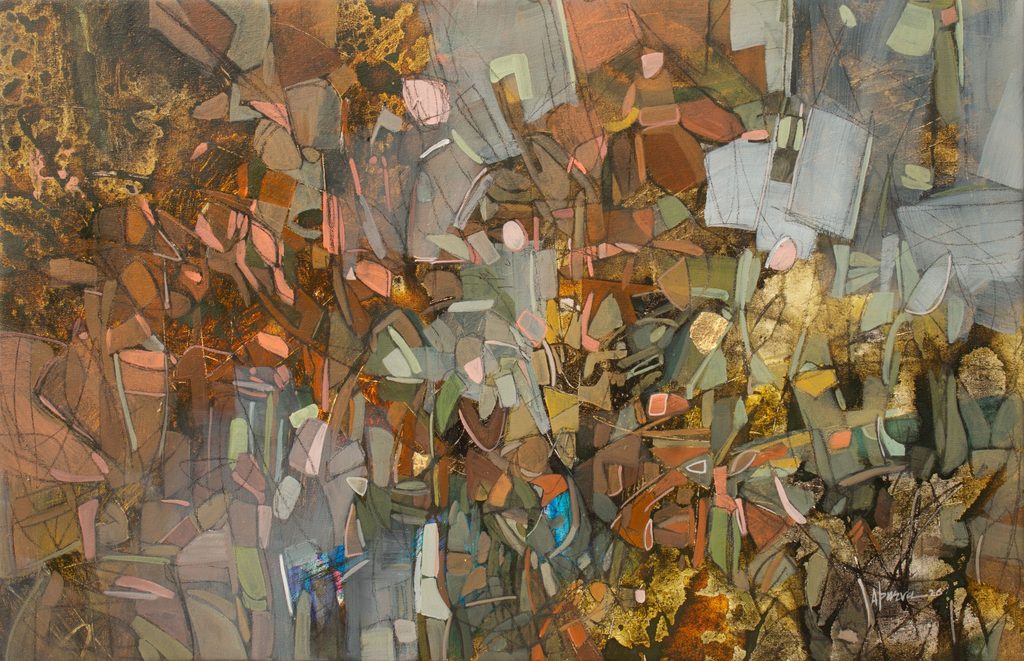
The psychological impact of urban life often surfaces through fractured compositions and compressed spaces, a recurring tendency within abstract expressionism in India. Overlapping forms and dense textures can evoke congestion, noise, and emotional overload. At the same time, moments of stillness within the canvas may suggest introspection amid chaos. These works do not document cities as places but as states of mind shaped by speed, anonymity, and constant negotiation with surroundings.
Tradition reimagined through abstraction
While abstraction is often associated with modernity, many artists subtly weave traditional sensibilities into their practice. In abstract expressionism, rhythmic repetition can echo classical music, while symbolic colour choices may recall ritual or seasonal cycles. Rather than illustrating tradition, artists internalise it, allowing inherited cultural memory to influence structure and movement. This fusion enables social realities to be viewed as part of a continuum rather than a rupture from the past.
Viewer participation and meaning-making
Another defining aspect of abstract expressionism in India is the active role given to the viewer. Without clear narratives, audiences are invited to project their own social experiences onto the work. This shared authorship transforms the artwork into a meeting point between individual perception and collective reality. In this exchange, abstraction becomes not evasive but deeply engaged, capable of reflecting diverse truths simultaneously.
Mojarto – Discover the Language of Abstraction in Indian Art
Mojarto brings together a thoughtfully curated world of Indian art where abstraction, emotion, and contemporary vision converge. From striking paintings and serigraphs to sculpture, photography, and digital art, the platform makes it easy to explore artworks by category, theme, price, and artistic style. With curated collections, expert art advisory support, and access to artists from across India, we offer art lovers a seamless way to discover meaningful works that resonate with modern social narratives. Whether you are a first-time buyer or a seasoned collector, we are here to help you find art that speaks to your sensibilities and transforms your space with authenticity and depth.
Conclusion
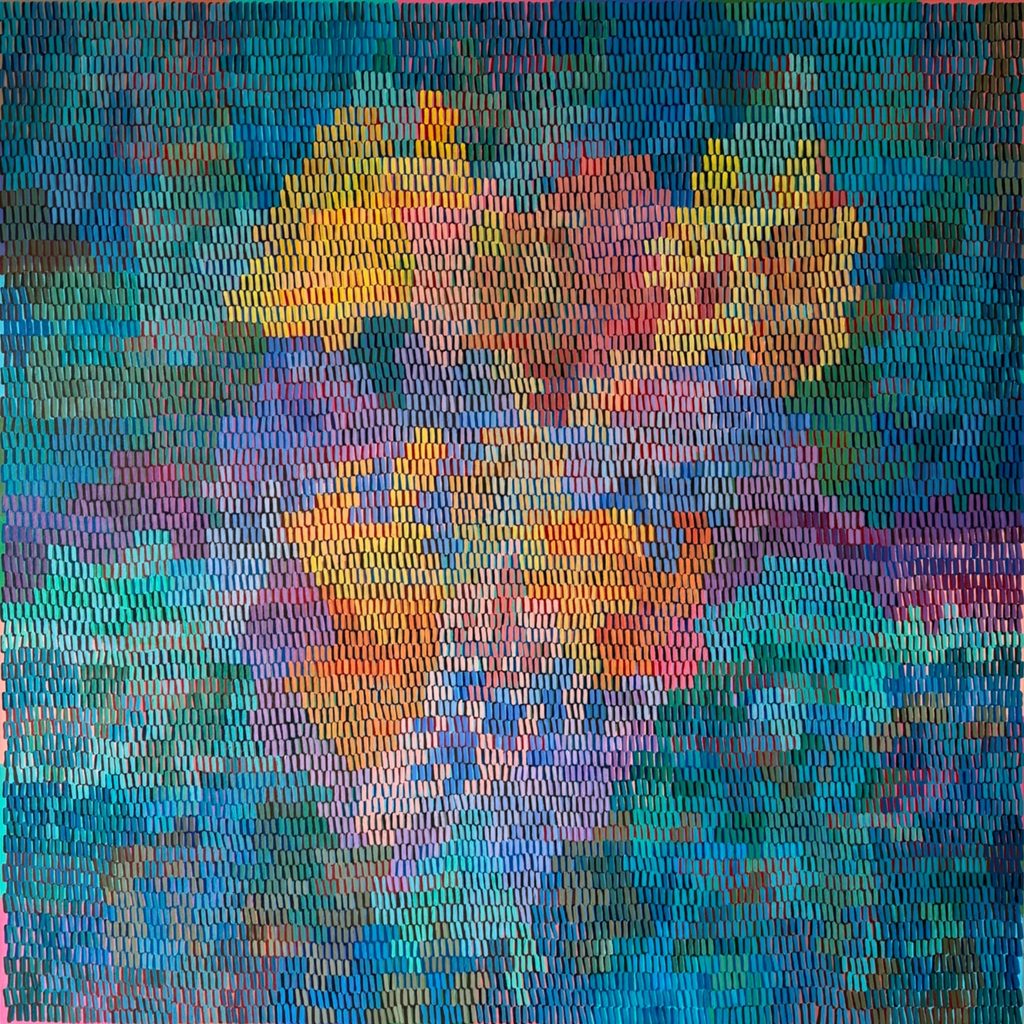
Ultimately, abstraction offers Indian artists a nuanced and resilient language for engaging with the world around them. By prioritising sensation, structure, and emotion over direct depiction, they reveal how social realities are felt rather than merely observed. As society continues to evolve, abstract expressionism in India remains a vital space for reflection, resistance, and renewal—one where complexity is not simplified, but thoughtfully transformed into visual experience.
Frequently Asked Questions About Abstract Art in India
What is abstract art in India?
Abstract art in India is a form of artistic expression that moves away from direct representation, using colour, form, texture, line, space, and composition to communicate ideas and emotions. Indian abstract artists often combine contemporary approaches with cultural memories, traditional influences, and personal experiences.
How does abstract art reflect social realities?
Abstract art can reflect social realities through mood, colour, movement, fragmentation, and material choices. Instead of depicting a specific event, an artist may communicate emotions associated with migration, urbanisation, identity, cultural change, conflict, or social uncertainty.
What is abstract expressionism in Indian art?
Abstract expressionism in Indian art refers to an expressive approach where artists emphasise gesture, spontaneity, colour, texture, and emotional intensity. The style allows artists to explore internal experiences and contemporary realities without depending on literal imagery.
Why is contemporary Indian abstraction important?
Contemporary Indian abstraction provides artists with a flexible visual language for responding to a changing society. It creates space for conversations around identity, memory, culture, urban life, personal experience, and social transformation while allowing viewers to form their own interpretations.
Where can I find abstract paintings by Indian artists?
Collectors can explore abstract paintings by Indian artists on online art platforms such as Mojarto, where artworks from different artists, styles, media, and price points can be discovered in one place.