
Indian art has always been deeply connected to storytelling. From temple murals and miniature paintings to folk traditions passed down through generations, stories have lived on canvas long before galleries and auctions existed. What is changing today is not the instinct to tell stories, but the language through which artists express them. This shift has given rise to what collectors and critics now recognise as modern Indian narrative art, a genre that blends memory, identity, emotion, and social reflection into visually compelling works.
For contemporary collectors, especially those seeking meaning beyond aesthetics, narrative art is becoming one of the most powerful ways to connect with Indian creativity. On platforms like Mojarto, this growing interest is visible in how audiences gravitate toward artworks that do not just decorate a wall but invite conversation, reflection, and personal interpretation.
Why Narrative Art Is Finding Its Moment in India
India is living through a period of layered change. Urban life is accelerating, traditions are evolving, and conversations around identity, history, gender, and belonging are becoming more nuanced. Artists are responding by turning inward and outward at the same time. Instead of creating purely abstract or decorative works, many are choosing to tell stories drawn from personal experience, cultural memory, or shared social realities.
This is where narrative art in India stands apart. It does not rely on literal illustration alone. A single canvas might hold fragments of childhood, symbols from mythology, urban chaos, or quiet domestic scenes. The viewer is not handed a fixed meaning. Instead, the artwork leaves room for interpretation, allowing each person to bring their own story into the experience.
This openness is exactly what today’s collectors are drawn to. Narrative art feels intimate. It feels lived in. And most importantly, it feels human.
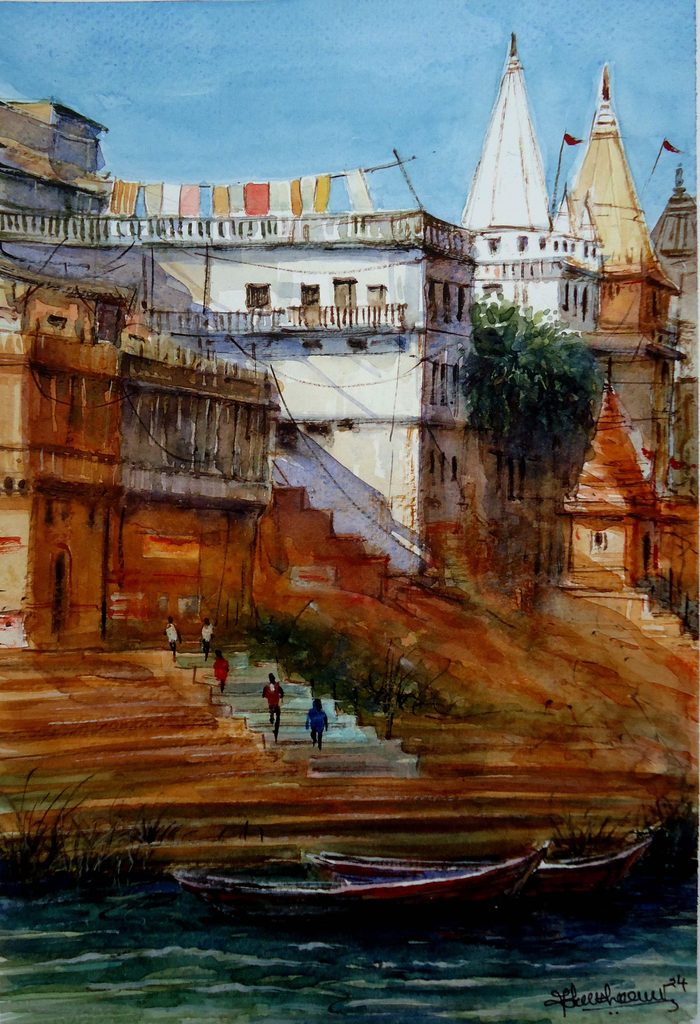
From Tradition to Contemporary Expression
Storytelling has always been central to Indian visual culture. Folk forms like Pattachitra, Kalamkari, Gond, and Warli have long used sequential imagery and symbolic language to narrate myths, rituals, and everyday life. What modern artists are doing is reinterpreting this impulse through contemporary styles, materials, and themes.
In today’s story-driven Indian paintings, you may notice echoes of miniature painting compositions, folk symbolism, or mythological references, but they appear alongside modern colour palettes, abstract forms, and urban narratives. The result is a bridge between past and present, tradition and experimentation.
This continuity matters. It allows narrative art to feel rooted without being nostalgic. For collectors, this balance creates works that feel culturally grounded yet relevant to modern living spaces and contemporary thought.
The Artist as Storyteller
One of the defining features of narrative art is the presence of the artist’s voice. These works often feel autobiographical, even when they are not explicitly personal. Artists use metaphor, repetition, and symbolic imagery to communicate emotions that are difficult to put into words.
Some canvases explore themes of migration, displacement, and memory. Others focus on quiet moments, domestic scenes, or inner emotional landscapes. What unites them is intention. The artist is not simply creating an image but constructing a narrative space where the viewer is invited to pause and engage.
This approach aligns perfectly with the growing appreciation for storytelling through Indian art, where meaning unfolds slowly rather than delivering immediate visual impact. It is art that rewards time, curiosity, and emotional attention.
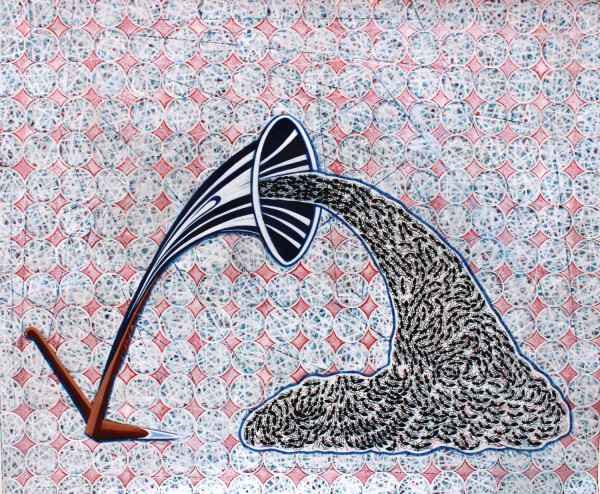
Why Collectors Are Drawn to Narrative Art
From a collector’s perspective, narrative art offers something rare. It creates an emotional bond. When a collector chooses a narrative artwork, they are often responding to a story that mirrors their own experiences or challenges their perspective in a meaningful way.
Unlike trend-driven art that may feel dated over time, narrative works tend to age gracefully. Their relevance comes from emotion rather than fashion. This makes them especially appealing to collectors who value depth, cultural context, and long-term resonance.
On Mojarto, collectors increasingly seek artworks that feel personal rather than generic. Narrative art fulfils this desire by offering originality not just in style but in thought. Each piece carries a unique story that cannot be replicated, even by the same artist.
Contemporary Indian Narrative Painting and Its Visual Language
The visual language of contemporary Indian narrative painting is diverse. Some artists favour dense compositions filled with figures, symbols, and layered references. Others choose restraint, using minimal elements to suggest a larger emotional or conceptual story.
Colour plays a critical role. Muted tones often evoke memory and nostalgia, while bold palettes reflect tension, energy, or social commentary. Texture, scale, and repetition are also used to guide the viewer’s eye and shape the narrative flow across the canvas.
Importantly, these works do not demand a single reading. A painting might reference mythology for one viewer, personal memory for another, and social history for a third. This multiplicity of meaning is part of what makes narrative art so compelling and collectable.
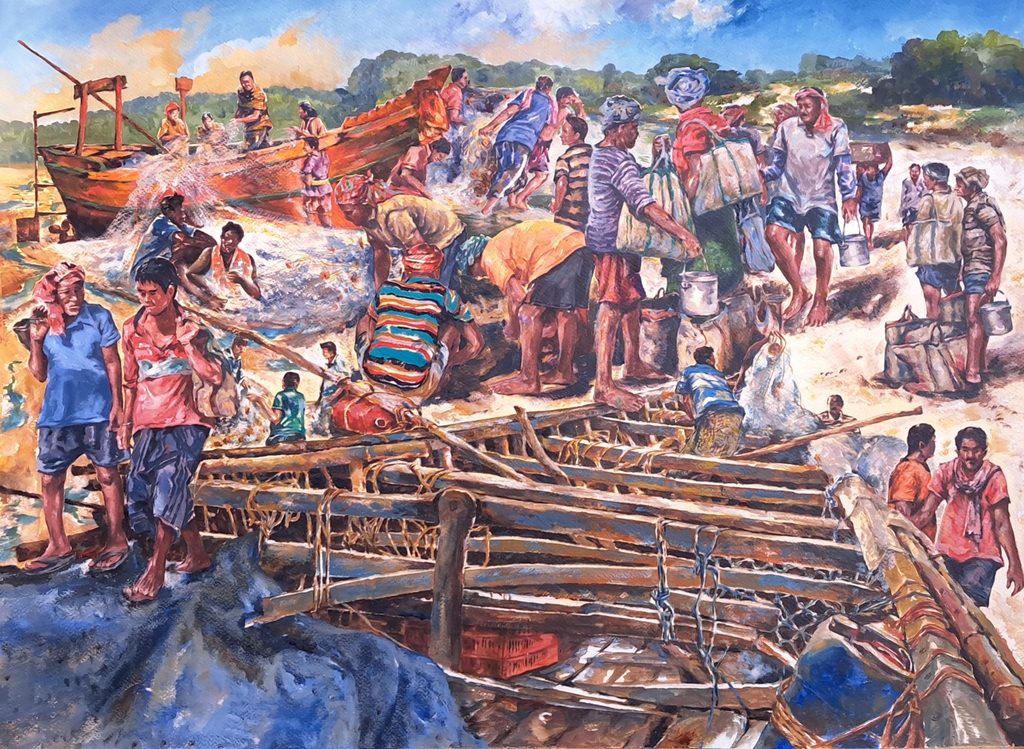
Narrative Art in the Global Indian Context
As Indian artists gain greater visibility on international platforms, narrative art has become a powerful way to communicate cultural complexity to global audiences. Stories transcend language barriers. A viewer in New York or London may not recognise every symbol, but they can still connect emotionally with themes of longing, joy, conflict, or transformation.
This global relevance enhances the value and appeal of modern Indian narrative art. It positions Indian artists not as niche creators but as storytellers contributing to universal conversations through a distinctly Indian lens.
For collectors who value cultural authenticity with global resonance, narrative art offers the best of both worlds.
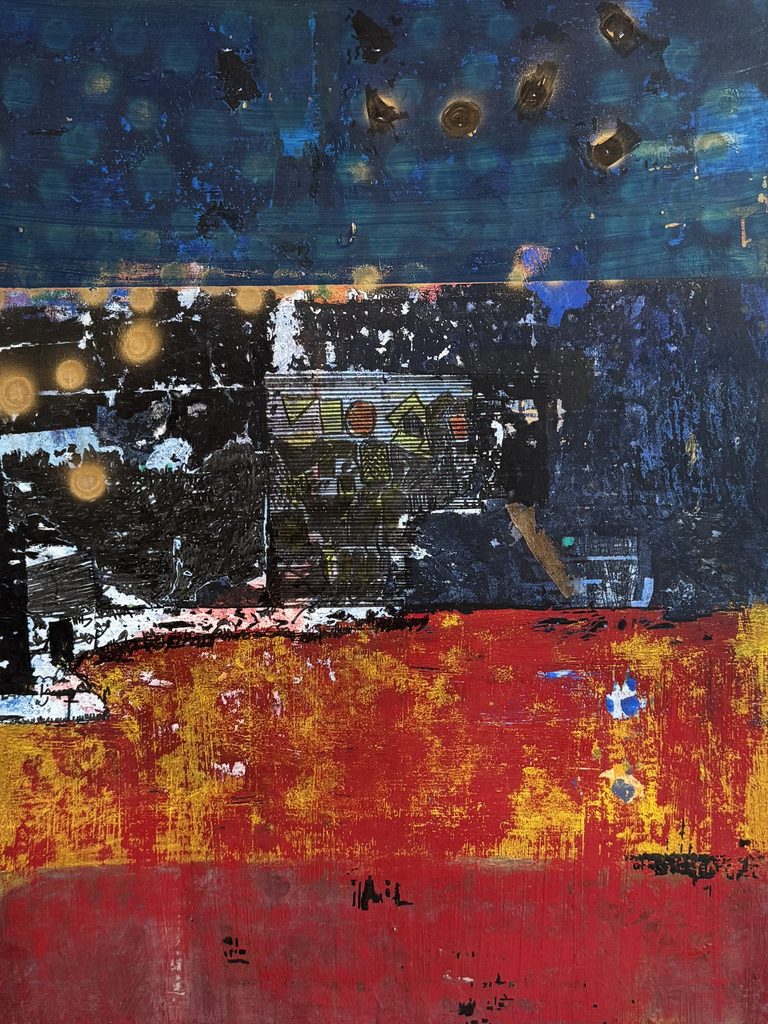
Mojarto’s Role in Showcasing Narrative Voices
Mojarto has consistently positioned itself as a platform that values artistic intent and individuality. By showcasing artists who work within narrative frameworks, Mojarto enables collectors to discover stories that feel honest, layered, and deeply rooted in Indian contexts.
Rather than focusing solely on visual trends, the platform highlights works that carry emotional and conceptual depth. This approach resonates strongly with collectors who are not just acquiring art but building meaningful relationships with the stories behind each piece.
As interest in narrative art grows, Mojarto becomes a space where these stories can be explored, understood, and appreciated without dilution or oversimplification.
The Future of Narrative Art in India
Narrative art is not a passing movement. Its rise reflects a broader shift in how art is created, viewed, and collected in India. As audiences become more discerning and emotionally engaged, the demand for story-driven works will continue to grow.
Younger artists are increasingly confident in using their personal histories and cultural experiences as creative material. At the same time, collectors are becoming more open to works that challenge, provoke, and invite reflection rather than offering instant visual gratification.
This evolving relationship between artist and audience ensures that narrative art will remain a vital and influential force in the Indian art landscape.
Closing Thoughts
The rise of narrative art marks a return to something deeply familiar in Indian culture: the power of stories. Yet it does so in a way that feels contemporary, personal, and relevant to today’s world. Through layered symbolism, emotional honesty, and visual experimentation, modern Indian artists are transforming canvases into spaces of dialogue and discovery.
For collectors and art lovers exploring Mojarto, engaging with narrative art means stepping into stories that continue to unfold long after the first viewing. These are not just paintings. They are lived experiences, cultural reflections, and personal journeys rendered in color, form, and imagination.
In embracing modern Indian narrative art, collectors are not only acquiring works of visual significance but also becoming part of an ongoing story, one that connects past, present, and future through the enduring language of art.