
Walk through any Indian street early in the morning, and you will notice how ordinary moments quietly unfold. A vegetable vendor arranging fresh produce. A tea seller pouring steaming chai into small glasses. Children running through narrow lanes on their way to school. For most people, these are fleeting scenes that disappear as quickly as they appear.
For many Indian artists, however, these everyday moments are the beginning of something much deeper. They observe, pause, and reflect. What emerges from this process is not just a visual record of life but a thoughtful interpretation of it.
This is what makes the perspective of Indian artists so fascinating. Their work often begins with ordinary observations, yet the final artwork reveals layers of memory, emotion, symbolism, and cultural meaning.
On platforms like Mojarto, collectors and art enthusiasts can explore how Indian artists transform everyday experiences into compelling works of art. Through paintings and other artistic expressions, they bring familiar scenes to life, offering fresh perspectives on culture, society, identity, and the world around us.
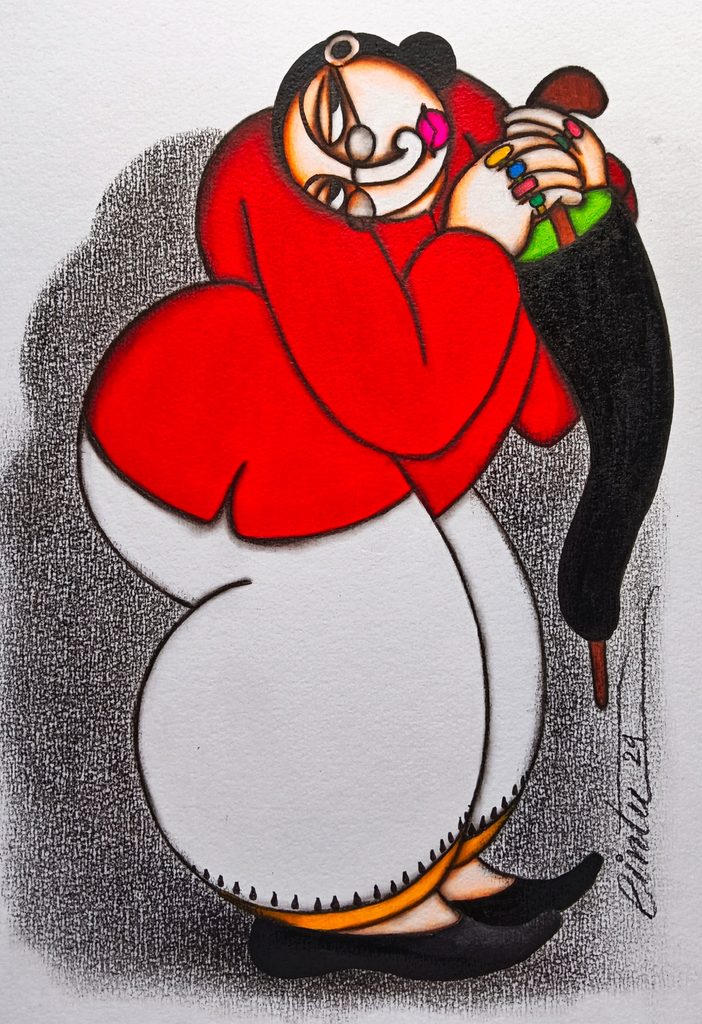
Seeing the Everyday Through an Artist’s Lens
Observation is often the starting point for creativity. Yet artists rarely stop at simply documenting what they see. The real transformation occurs when observation evolves into interpretation.
In the context of Observation in Indian art, this transformation is deeply influenced by culture, geography, and lived experiences. Indian artists grow up surrounded by a rich mix of traditions, rituals, urban chaos, rural rhythms, and layered histories. Everyday life provides endless visual material.
Think about the works of M. F. Husain, who turned scenes of horses, villages, and mythology into expressive visual narratives. Or Bharti Kher, whose works often reinterpret cultural symbols and everyday objects through a contemporary lens.
These artists are not simply depicting reality. They are exploring what that reality means.
The marketplace, the railway platform, the kitchen, the festival procession, the quiet afternoon at home. These ordinary spaces become subjects of reflection. Through colour, composition, texture, and symbolism, artists reveal perspectives that viewers might otherwise overlook.
This is why the works of Indian contemporary artists resonate strongly with collectors today. The art feels familiar, yet it offers a fresh way of seeing the world.
When Everyday Life Becomes Artistic Language
One reason Indian artists’ everyday life themes remain powerful is that they capture stories that many viewers recognise.
India’s social landscape is vibrant and complex. Every corner carries a narrative. Artists often draw from small observations that others may ignore.
- A roadside barber shop.
- Laundry drying across balconies.
- A crowded local train in motion.
- The quiet rhythm of rural farming life.
For artists such as Subodh Gupta, everyday objects themselves become powerful artistic elements. His use of steel utensils, commonly found in Indian kitchens, turns familiar household items into large sculptural statements about identity, migration, and economic change.
Similarly, Atul Dodiya often incorporates imagery from daily life, political references, and personal memories to construct layered visual narratives.
In each case, observation becomes the foundation of a broader interpretation.
The artist is not just recording what exists. They are asking questions about it.
Observation Is Personal Before It Becomes Universal
Every artist sees the world differently because every artist carries a unique set of experiences.
Observation in art is rarely neutral. It is shaped by where the artist grew up, what they witnessed, and how they emotionally respond to their surroundings.
For example, artists raised in bustling cities might respond to urban density, movement, and noise. Rural artists may be drawn to slower rhythms of agricultural life. Others may focus on domestic spaces or cultural rituals.
Consider the works of Arpita Singh, whose paintings often reflect everyday domestic environments layered with emotional undertones. Through vibrant colours and symbolic imagery, ordinary scenes gain psychological depth.
Similarly, Nalini Malani interprets social realities through expressive visual storytelling that merges personal memory with broader historical themes.
These artists demonstrate that observation is not passive. It is an active process shaped by curiosity, sensitivity, and imagination.
The Shift From Seeing to Interpreting
Many viewers assume that art simply reflects what the artist sees. In reality, interpretation is where the artistic process truly unfolds.
Observation collects visual information. Interpretation transforms that information into meaning.
This transformation often happens through subtle artistic decisions.
- An artist may exaggerate certain colours to heighten emotion.
- They may distort perspective to emphasise tension.
- They may simplify forms to focus attention on mood rather than detail.
For instance, the vibrant palettes used by Paresh Maity often transform everyday landscapes into expressive compositions filled with energy and atmosphere.
Similarly, the figurative works of Jogen Chowdhury reinterpret the human form with stylised contours that communicate personality and psychological depth.
In both cases, observation remains the starting point, but interpretation shapes the final artistic language.
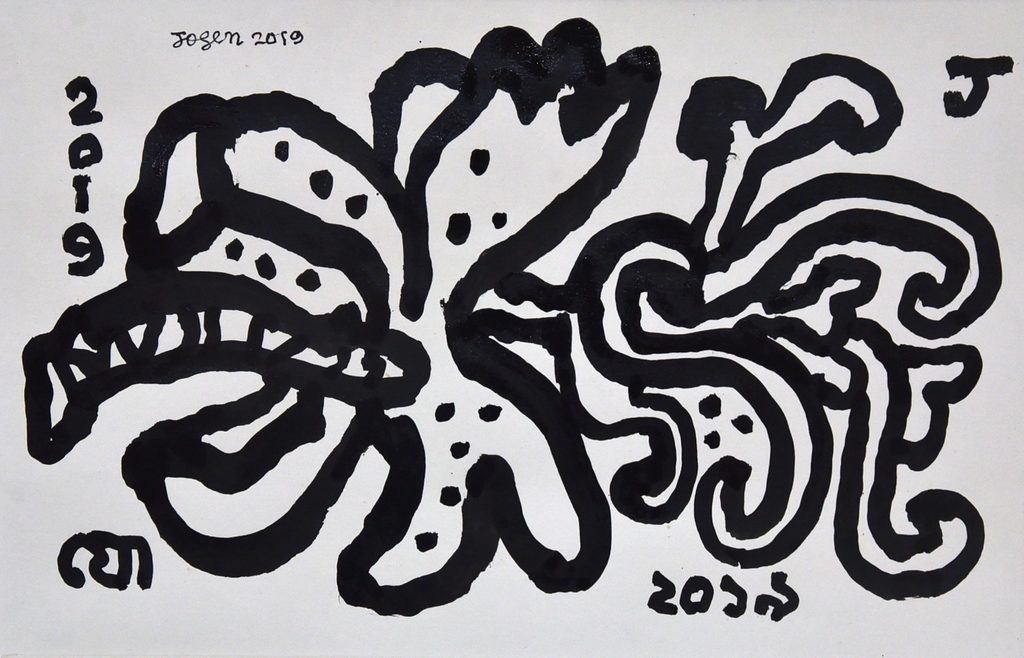
Why Collectors Are Drawn to This Perspective
For collectors, artworks rooted in everyday observation often carry a special appeal. They connect with lived experiences while offering deeper layers of meaning.
This is one reason the global market has shown growing interest in Indian contemporary artists. Their works capture the spirit of modern India while remaining grounded in familiar realities.
Collectors are increasingly drawn to artworks that tell stories rather than simply decorate spaces. Pieces inspired by daily life allow viewers to revisit memories, cultural traditions, and shared experiences.
An artwork depicting a neighbourhood street may remind someone of childhood summers. A painting of a tea stall might evoke countless conversations shared over chai.
These emotional connections make the artwork more meaningful over time.
Everyday Observation as Cultural Documentation
Beyond aesthetics, everyday themes in art also serve as subtle documentation of cultural life.
India continues to evolve rapidly. Cities expand. Lifestyles shift. Technology transforms daily routines.
Artists often respond to these changes in ways that historians and photographers may not. Their interpretations capture emotional and cultural nuances that statistics cannot.
For example, works by Sudhir Patwardhan often portray urban working-class life with quiet empathy. His paintings reflect the human dimension of city growth.
Similarly, Riyas Komu frequently explores themes of migration, identity, and political change.
Through these interpretations, everyday life becomes part of a broader cultural narrative.
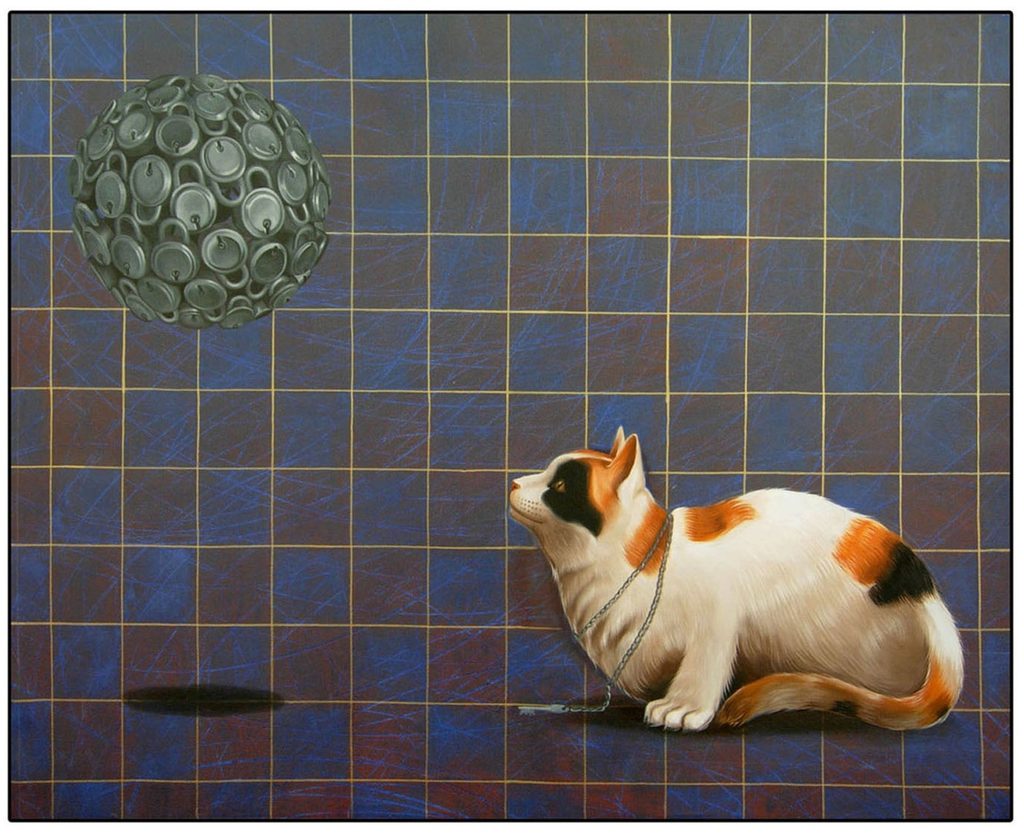
The Collector’s Journey From Surface to Story
When collectors first encounter an artwork inspired by daily life, they may initially respond to its visual appeal. Colour, texture, and composition attract attention.
But as they spend more time with the work, the story behind the imagery begins to unfold.
A crowded street scene might reveal subtle expressions on faces. A seemingly simple still life may contain symbolic objects connected to cultural rituals. A quiet landscape might carry emotional undertones related to memory or place.
This layered experience is precisely what makes contemporary Indian art engaging.
The journey from observation to interpretation mirrors the viewer’s own experience. The artwork invites them to look again and discover something new each time.
For collectors exploring the Mojarto platform, understanding this creative transition can deepen appreciation for the works they encounter. The process behind the artwork often becomes as compelling as the visual result.
This perspective is beautifully reflected in the concept of Indian artists’ observation to interpretation, where simple scenes evolve into thoughtful artistic expressions that carry both personal and cultural significance.
A Growing Global Appreciation
International audiences have also become increasingly interested in artworks that reflect everyday realities across cultures.
Indian artists offer a particularly rich perspective because the country itself contains such diverse visual environments. Urban skylines, traditional markets, spiritual rituals, and domestic spaces all provide endless material for artistic exploration.
This diversity allows Indian contemporary artists to present narratives that feel authentic while remaining globally relatable.
Collectors around the world are discovering that artworks inspired by daily life often hold the strongest emotional resonance. They remind viewers that art does not always emerge from extraordinary events. Sometimes it begins with the simple act of paying attention.
Why Everyday Inspiration Matters Today
In a world that moves quickly and demands constant attention, artists remind us of the importance of slowing down.
Their work encourages viewers to notice details that are easy to overlook. The shape of shadows on a street wall. The rhythm of people waiting at a bus stop. The quiet intimacy of a household moment.
Through careful observation and thoughtful interpretation, these everyday scenes gain new significance.
They become reflections of identity, memory, culture, and change.
For collectors and art lovers exploring contemporary Indian art on Mojarto, this perspective offers something deeply meaningful. Each artwork becomes more than a visual object. It becomes a conversation between the artist’s experience and the viewer’s imagination.
And it all begins with a simple act that artists practice every day.
Looking closely at the world around them.
FAQs
1. How do Indian contemporary artists use everyday life in their artwork?
Many Indian contemporary artists draw inspiration from daily experiences such as street scenes, markets, festivals, and domestic life. These ordinary moments become the starting point for deeper artistic interpretation, where artists express emotions, cultural insights, and social narratives through their work.
2. Why is observation important in Indian art?
Observation in Indian art allows artists to capture subtle details of culture, environment, and human behaviour. By closely studying everyday life, artists develop visual ideas that later evolve into meaningful artistic interpretations.
3. What makes Indian contemporary artists unique in their approach?
Indian contemporary artists often blend traditional cultural references with modern artistic techniques. Their work reflects India’s diverse social realities while presenting them through a contemporary visual language that appeals to global audiences.
4. Why are collectors interested in artworks based on everyday life?
Art inspired by everyday life feels relatable and authentic. Collectors value these works because they often tell stories about society, culture, and personal experiences, making the artwork emotionally engaging and historically relevant.
5. How does interpretation transform observation in art?
Observation provides the visual foundation, but interpretation adds meaning. Artists use colour, symbolism, composition, and style to express their thoughts and emotions, turning simple observations into layered artistic narratives.