
In Indian art, a line is never just a boundary. It breathes, pauses, trembles, accelerates, and sometimes even resists control. Across centuries of visual expression, from temple murals and miniature paintings to contemporary studios and urban sketchbooks, Indian artists have relied on linework as an emotional language. A line can whisper devotion, erupt in rage, or sway gently with rhythm and movement.
This sensitivity to the line is not accidental. It is shaped by philosophy, performance traditions, calligraphy, and lived experience. Today, when viewers encounter expressive linework in Indian art, they are often responding to something deeply intuitive. The line feels alive because it carries intent, memory, and motion.
This exploration looks closely at how Indian artists use line drawing not as an outline, but as a vehicle for movement, emotion, and meaning. It also explains why linework remains one of the most powerful and enduring elements in Indian visual culture.
Why Linework Holds a Special Place in Indian Art
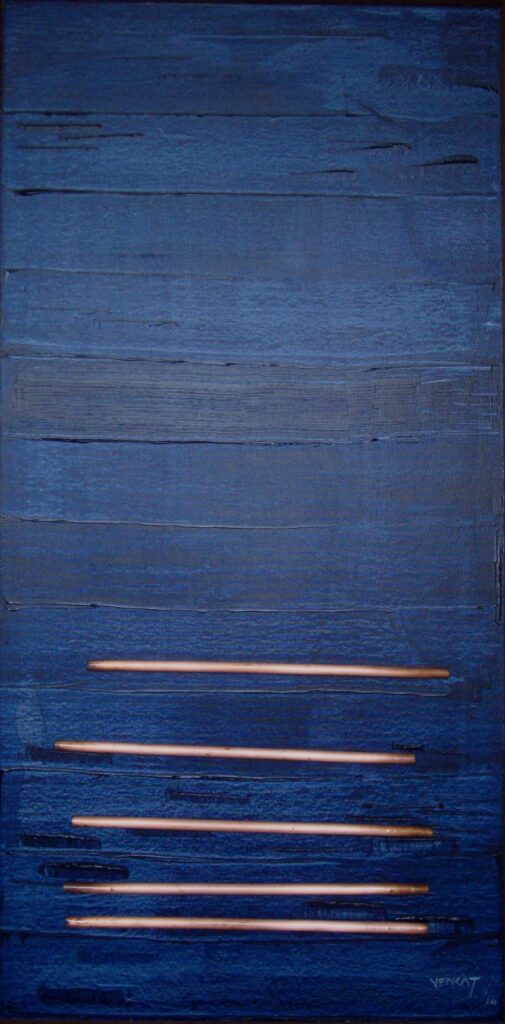
Indian visual traditions developed alongside music, dance, poetry, and spiritual practice. In each of these, rhythm and flow matter more than rigid form. Linework follows the same principle. Rather than freezing a subject, it allows the artist to suggest movement and feeling through variation in pressure, speed, and continuity.
From early cave drawings to palm leaf manuscripts, artists relied on limited tools. This encouraged the economy and confidence of the line. A single stroke had to carry intention. Over time, this discipline evolved into a refined visual language where lines became expressive gestures rather than static marks.
This legacy continues today. Even when artists work with mixed media or large formats, their approach to line often reflects this inherited sensitivity. It is one reason Indian line drawings feel intimate and emotionally resonant across styles and generations.
Lines as Movement Rather Than Outline
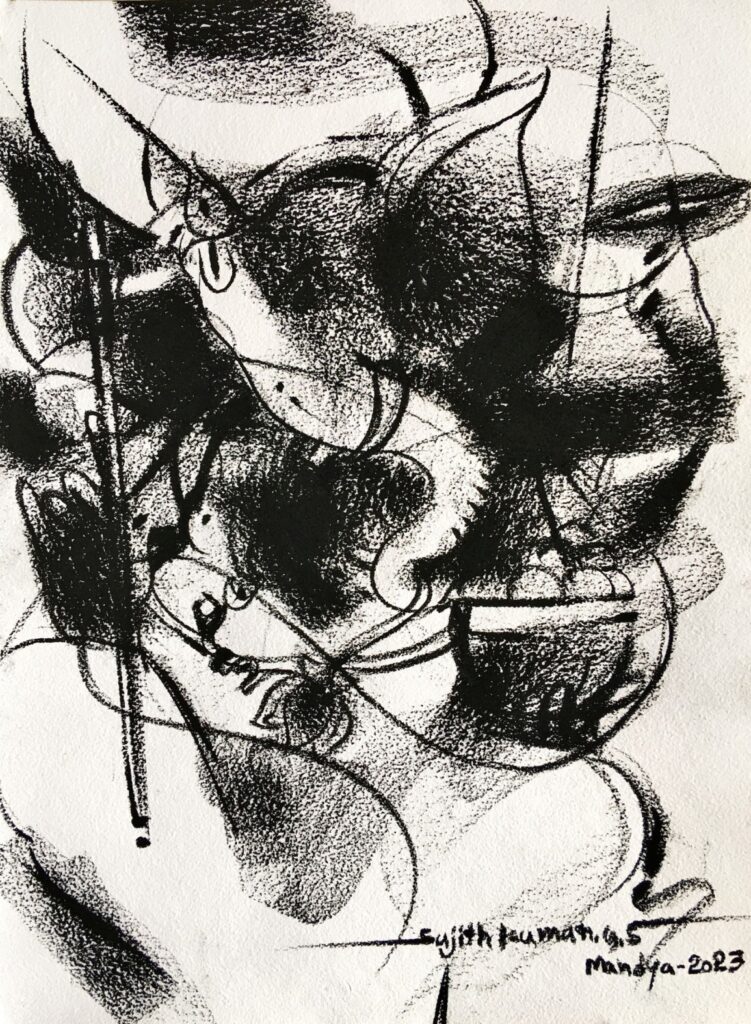
In many Indian artworks, the line does not simply describe shape. It moves through space much like a dancer moves across a stage. The curve of a torso, the tilt of a head, or the bend of a tree branch often feels rhythmic rather than anatomical.
This approach can be traced to classical dance forms such as Bharatanatyam, Odissi, and Kathakali, where movement is codified yet fluid. Artists internalise these visual rhythms and translate them onto paper or canvas. The result is linework that appears to glide, pause, and accelerate.
When viewers experience line art movement and emotion, which Indian painting traditions are known for, they are often responding to this sense of embodied motion. The line becomes a trace of physical and emotional energy, not just a visual tool.
Emotional Weight Carried by a Single Stroke
Emotion in Indian art is rarely overstated. Instead, it emerges through subtle cues. Linework plays a crucial role here. A trembling line can suggest vulnerability. A bold, uninterrupted stroke can communicate strength or resolve. Broken or fragmented lines often point to tension, unrest, or inner conflict.
In figurative works, facial expressions are sometimes minimal, yet the emotion is unmistakable. This is because the surrounding lines carry the mood. The slope of shoulders, the angularity of limbs, or the pressure of contour lines all contribute to emotional tone.
Many Indian artists deliberately leave parts of a figure unresolved. These pauses in line invite the viewer to participate emotionally, filling in what is left unsaid. This restraint is central to the power of expressive linework in Indian art.
Indian Artists and Their Distinct Line Drawing Styles
When studying Indian artists’ line drawing styles, one quickly notices that there is no single approach. Instead, there is a spectrum shaped by region, training, and personal philosophy.
Some artists favour lyrical, flowing lines that echo classical aesthetics and spiritual themes. Others use sharp, angular strokes influenced by urban life, social change, or political commentary. Folk traditions also contribute significantly, with their emphasis on pattern, repetition, and symbolic forms.
What unites these diverse approaches is intentionality. Lines are never casual. Even spontaneous sketches often reveal years of disciplined observation. This depth of engagement allows Indian artists to use line as a primary expressive force rather than a preparatory step.
The Role of Gesture in Contemporary Practice
In recent decades, many artists have returned to drawing as a foundational practice, especially in response to digital saturation. Gesture has become central to this renewed focus on line.
The use of gestural lines in Indian contemporary art reflects a desire to capture immediacy and lived experience. These lines often appear raw and unpolished, yet they are deeply considered. They record the movement of the artist’s hand, the rhythm of breathing, and the emotional state at the moment of creation.
This gestural quality allows contemporary works to feel urgent and present. Even when the subject is familiar, the line gives it a renewed emotional charge. It is a reminder that drawing remains one of the most direct connections between thought, feeling, and form.
Tradition and Innovation in Line-Based Expression
Indian artists today operate within a rich visual inheritance, but they are not bound by it. Many consciously engage with historical techniques while reinterpreting them through a contemporary lens.
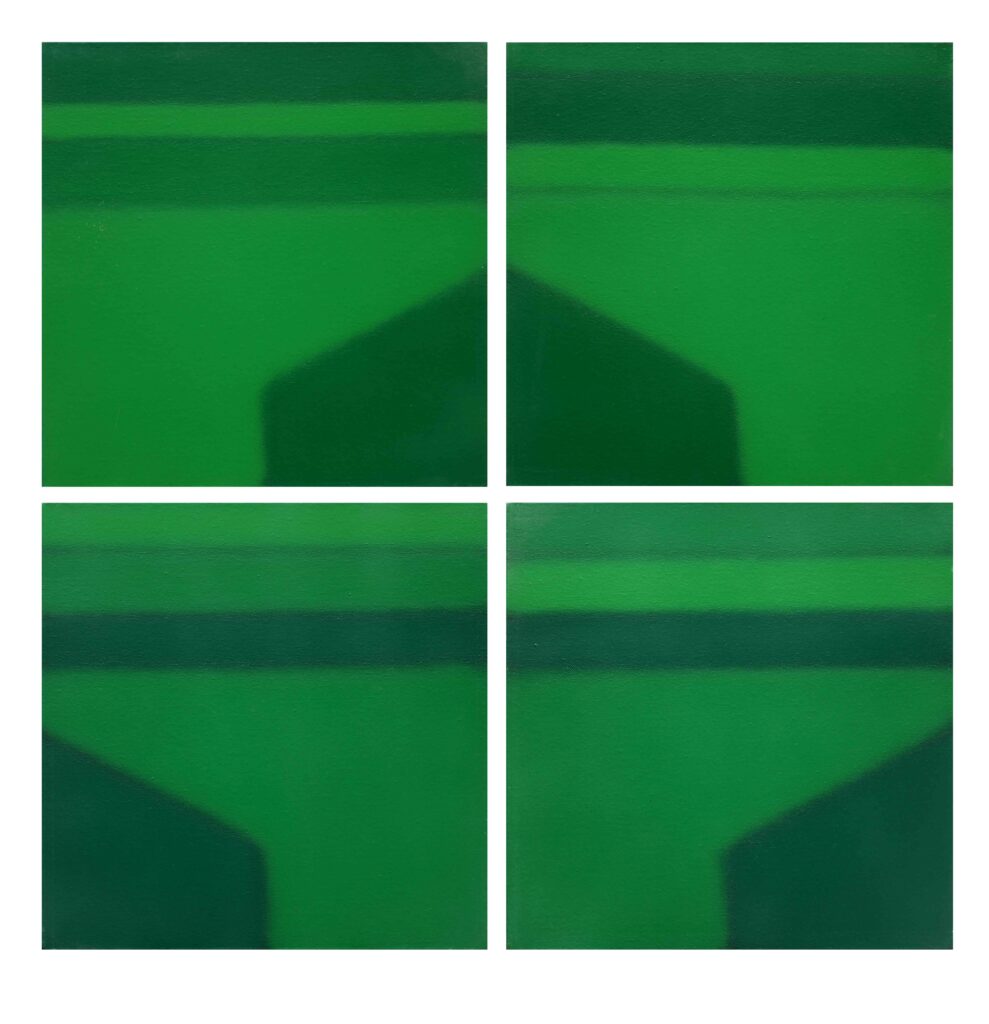
For instance, classical miniature painting emphasised precise, controlled lines. Modern artists may reference this discipline, but loosen the line to allow for personal expression. Similarly, folk art traditions known for bold outlines and symbolic imagery inspire artists who adapt these qualities into minimalist or abstract compositions.
These contemporary Indian line art techniques demonstrate how tradition can serve as a foundation rather than a constraint. The line becomes a site of dialogue between past and present, discipline and freedom.
Why Linework Connects So Strongly With Viewers
There is something inherently human about line. Unlike colour or texture, a line directly records movement. It shows hesitation, confidence, correction, and flow. Viewers instinctively recognise these qualities because they mirror human gesture.
In Indian art, this connection is amplified by cultural familiarity with expressive movement. From hand gestures in dance to calligraphic scripts, people are accustomed to reading meaning through motion. When artists harness this sensitivity, their work resonates on an intuitive level.
This is why line-based artworks often feel personal and emotionally accessible. They do not overwhelm the viewer. Instead, they invite slow looking and quiet reflection.
Linework as a Bridge Between Mediums
Another strength of the line is its adaptability. Indian artists use it across drawing, painting, printmaking, sculpture, and even digital formats. Regardless of medium, the underlying principles remain consistent.
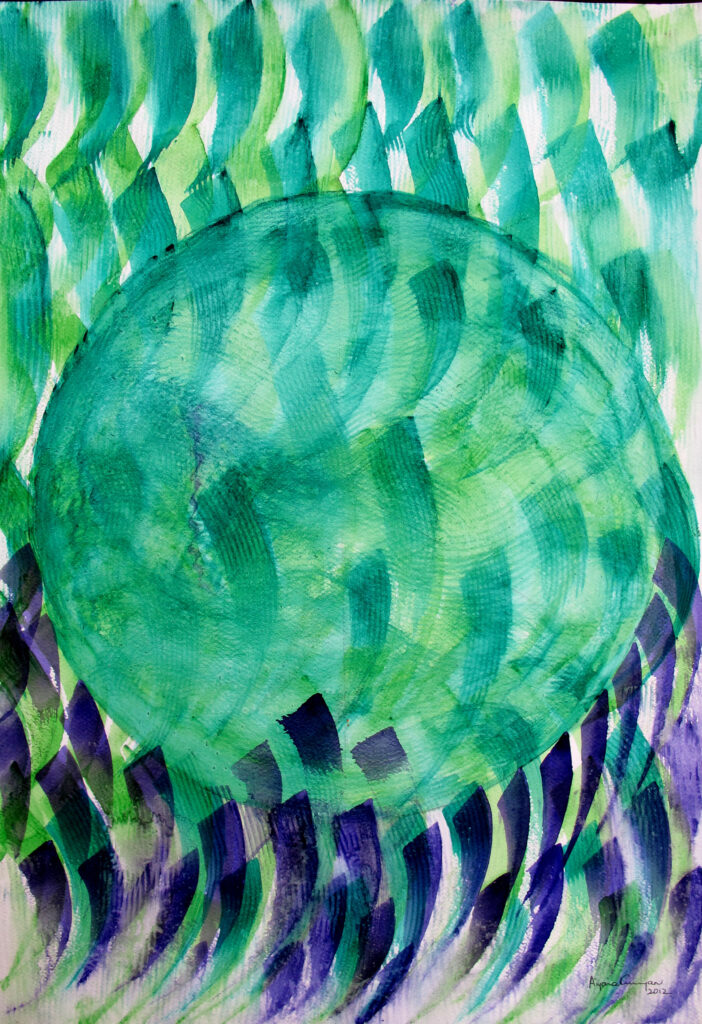
In painting, line may dissolve into brushwork yet still guide movement and composition. In sculpture, incised lines can direct the eye and suggest rhythm. Even in mixed media works, line often acts as a unifying element that holds disparate materials together.
This versatility ensures that linework remains relevant, even as artistic practices evolve. It continues to offer artists a way to communicate emotion with clarity and restraint.
The Collector’s Perspective on Line-Centric Art
For viewers and collectors who engage deeply with art, line-based works often offer long-term emotional value. They reveal new details over time. A line noticed today may feel different months later, depending on the viewer’s own emotional state.
Because line drawings and line-led paintings often strip away excess, they allow the essence of the artist’s intent to come through. This clarity fosters a lasting connection between artwork and viewer.
Within the broader ecosystem of Indian art, line-centric practices also highlight the artist’s hand and thought process. This transparency appeals to those who value authenticity and depth over surface spectacle.
Line as an Ongoing Conversation
The story of linework in Indian art is not static. It continues to evolve as artists respond to social change, personal experience, and global influences. Yet the core remains unchanged. A line is still a trace of movement and emotion.
As contemporary artists explore new narratives and forms, line remains a trusted companion. It offers immediacy without noise and emotion without excess. In a world saturated with images, this quiet strength feels increasingly vital.
For anyone seeking to understand Indian art beyond surface aesthetics, paying attention to line is a meaningful starting point. It reveals how artists think, feel, and move through the world, one deliberate stroke at a time.