
Walk into any art space today, whether it is a gallery or a well-curated online platform, and you will notice one thing almost instantly. The human form is everywhere, but it no longer looks the way it used to.
These are not the neatly composed portraits or idealised bodies we grew up seeing in textbooks or museums. Instead, the figures feel raw, sometimes incomplete, sometimes exaggerated, and often deeply personal. They seem to carry stories that are not fully explained, yet hard to ignore.
This shift is at the heart of how the human figure in painting is being approached today. Artists across India are moving away from simply depicting people and are instead trying to capture what it feels like to exist in the present moment. The result is a body of work that is layered, emotional, and at times, quietly unsettling.
For anyone exploring Indian figurative painting, this change opens up a very different kind of experience. It is less about observing from a distance and more about engaging with what is on the canvas. And for collectors browsing platforms like Westroad, it offers something even more valuable. A chance to own art that feels relevant, reflective, and deeply connected to contemporary life.
Beyond Representation: A Shift in Perspective
Traditional figurative art in India has a long and rich history. From temple sculptures to miniature paintings, the human body was often depicted with precision and symbolism. It carried spiritual, mythological, and cultural narratives.
Today, that clarity has given way to ambiguity. And that ambiguity is intentional.
Artists are no longer asking, “How do I paint a person?”
They are asking, “What does it mean to be human right now?”
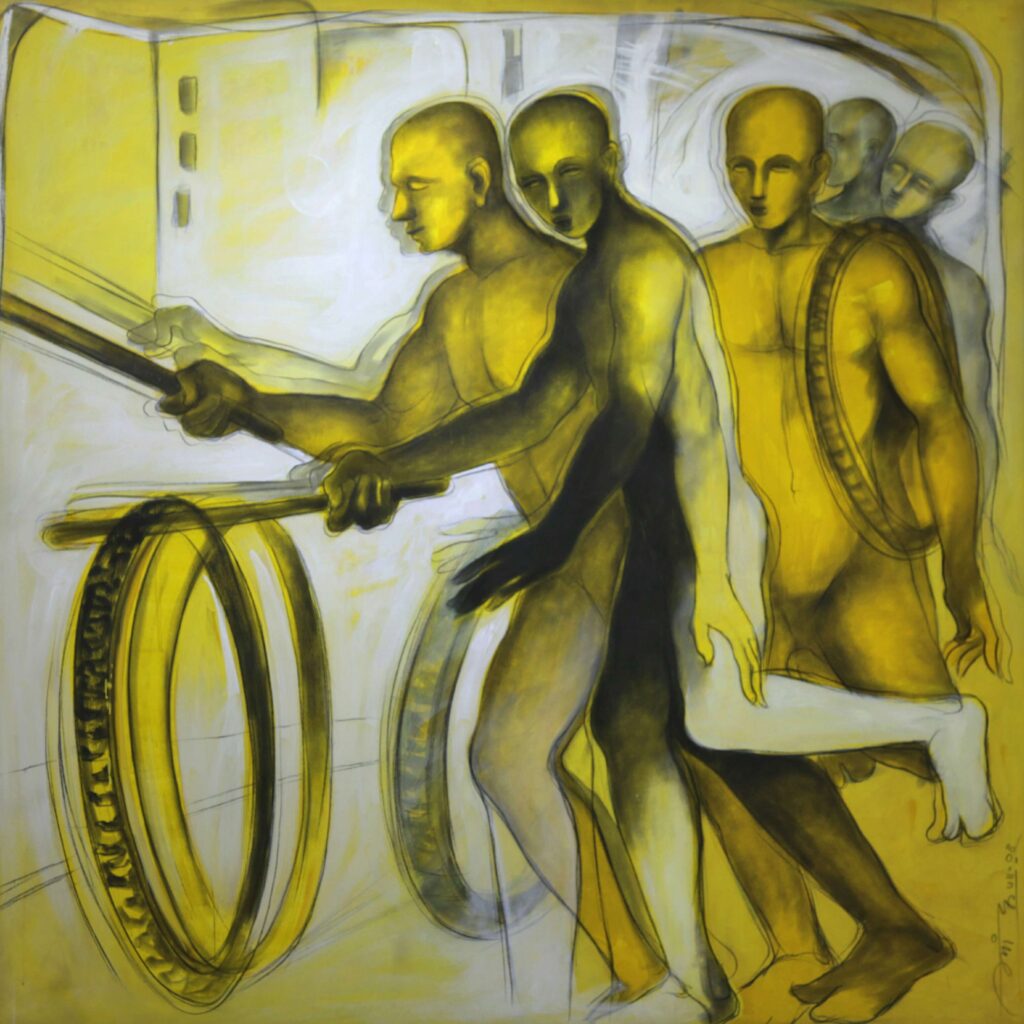
This shift is visible across galleries and digital platforms. The human figure in painting is stretched, fragmented, layered, sometimes even obscured. Faces are blurred. Bodies dissolve into textures. Proportions are exaggerated or reduced.
This is not a distortion for the sake of style. It is storytelling in a new language.
The Rise of Emotional Realism
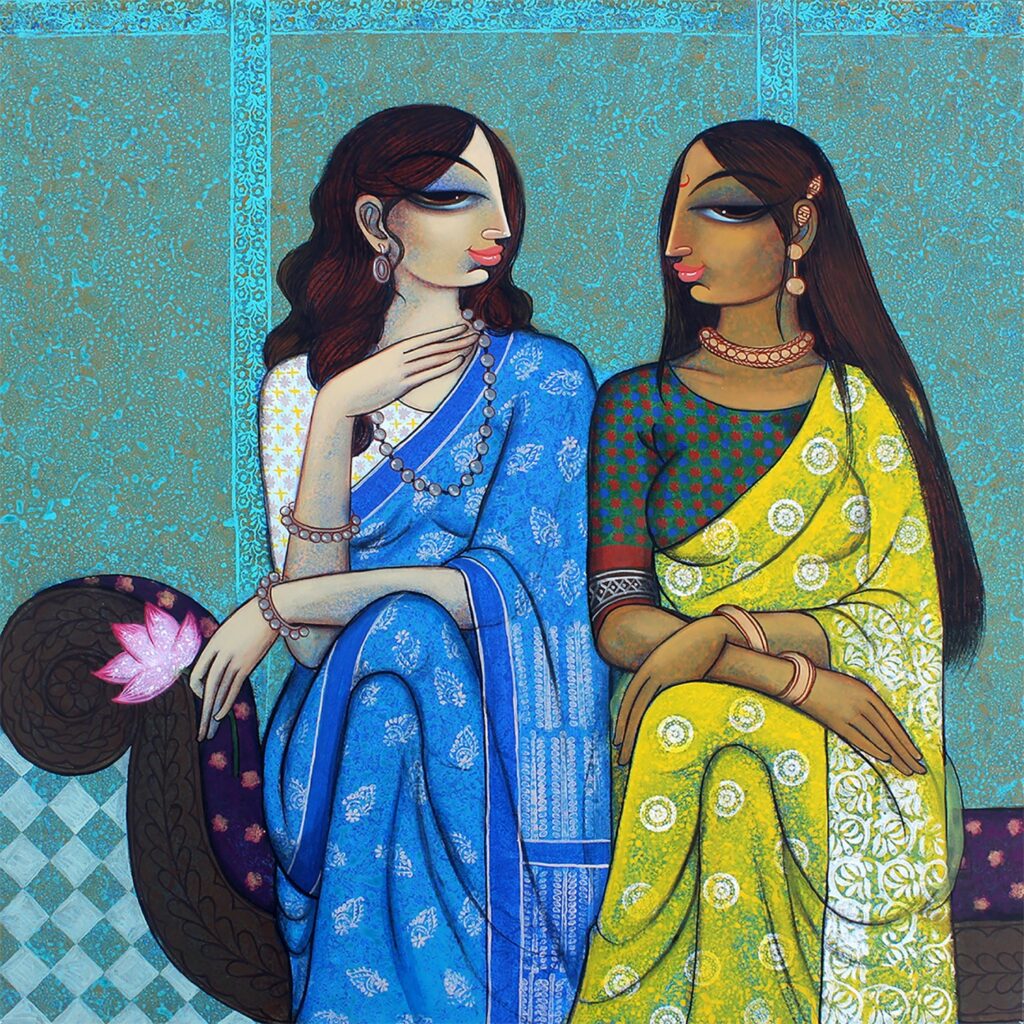
One of the most striking trends in Indian figurative painting today is emotional realism. It does not rely on photographic accuracy. Instead, it focuses on internal states.
You might come across a portrait where the eyes are oversized and haunting, or a figure that appears to melt into the background. These visual choices reflect anxiety, isolation, longing, or quiet resilience.
In a fast-changing society like India, these emotions resonate deeply. Urbanisation, digital life, shifting identities, and cultural duality all influence how artists interpret the human experience.
For buyers, this means something important. You are not just purchasing art. You are investing in a story that mirrors contemporary life.
Identity Takes Centre Stage
Another defining aspect of Contemporary Indian art is its engagement with identity. Artists are exploring themes related to gender, caste, migration, and personal history through the human form.
Portraits are no longer neutral. They are statements.
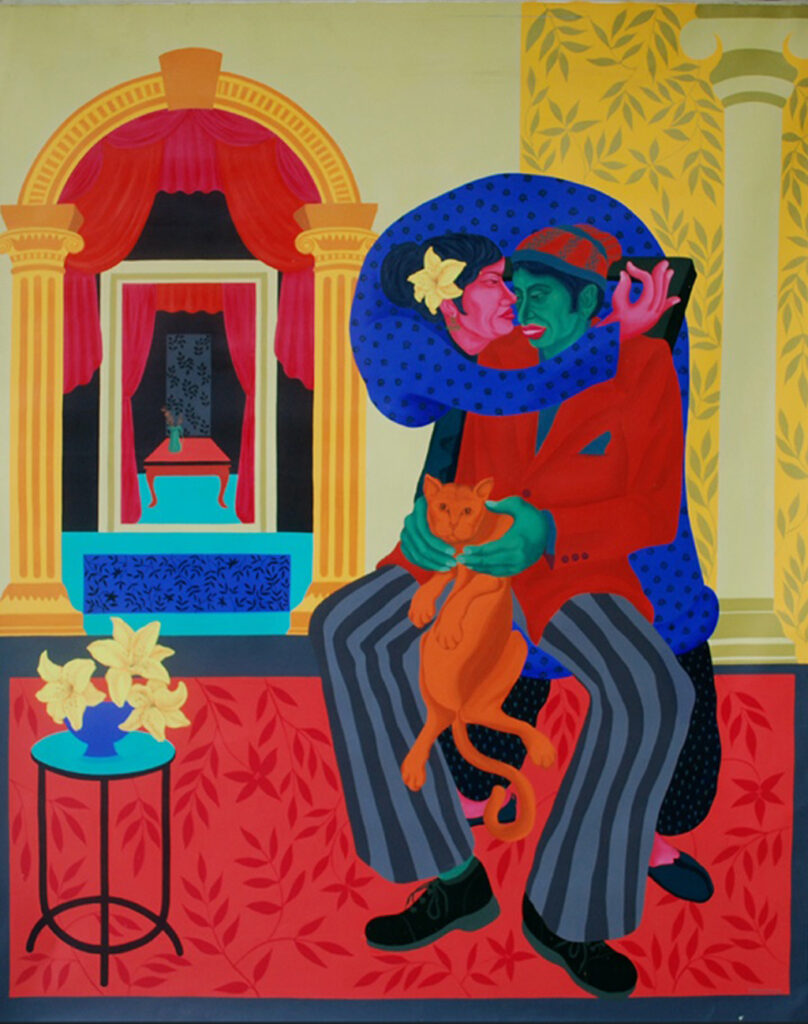
A single figure might carry layers of meaning. Traditional attire paired with modern settings. Familiar faces placed in unfamiliar contexts. These contrasts challenge viewers to think beyond surface appearances.
For collectors, such works offer depth. They spark conversation. They invite interpretation. And in many cases, they grow in relevance over time.
The Influence of Urban Life
Step into any major Indian city, and you will feel the pulse of change. This energy is reflected strongly in the human figure in painting.
Artists draw inspiration from crowded streets, fleeting interactions, and the anonymity of urban living. Figures are often depicted in motion, partially seen, or lost in their surroundings.
There is a sense of fragmentation that mirrors city life. People are connected yet isolated. Present yet distracted.
This urban narrative appeals to a wide audience, especially younger collectors who see their own lives reflected in these works. For platforms like Mojarto, this creates a strong connection between art and audience.
Experimentation with Form and Medium
One of the reasons Indian figurative painting feels so fresh today is the willingness of artists to experiment.
Canvas is no longer the only medium. Artists are blending painting with collage, digital elements, textiles, and mixed media. The human figure might be outlined in ink, filled with abstract colour fields, or layered with photographic fragments.
This experimentation allows for greater freedom. It also creates visually striking pieces that stand out in both physical and digital spaces.
From a marketing perspective, such works perform well because they capture attention instantly. They are shareable, memorable, and often become focal points in interior design.
The Role of Storytelling in Sales
Art has always been about storytelling, but in today’s market, the story is just as important as the visual.
When buyers explore Contemporary Indian art, they are looking for a connection. They want to know the artist’s intent. They want to understand the narrative behind the work.
This is where curated platforms like Mojarto have a distinct advantage. By presenting not just the artwork but also the context, they create a richer buying experience.
A painting of a solitary figure becomes more compelling when you know it reflects the artist’s experience of migration. A distorted portrait gains meaning when tied to themes of identity and self-perception.
For marketers, this means focusing on narrative-driven content. Highlight the journey, the inspiration, and the emotional core of each piece.
Why Figurative Art is Gaining Popularity
There is a noticeable shift happening among collectors. Abstract art still holds its place, but figurative works are gaining renewed interest.
Why?
Because they are relatable.
The human figure in painting offers an immediate connection. Even when abstracted or distorted, it provides a point of reference. Viewers can see themselves in the artwork. They can project their own emotions onto the figure.
This relatability makes figurative art a strong choice for both new and seasoned collectors.
Investment Potential in Contemporary Figurative Works
From a commercial standpoint, Indian figurative painting presents exciting opportunities.
Emerging artists are gaining recognition both locally and internationally. As their visibility increases, so does the value of their work.
Collectors who invest early often benefit from this growth. Platforms like Mojarto make it easier to discover such talent before it reaches mainstream galleries.
Additionally, figurative works tend to have lasting appeal. Trends may shift, but the human form remains a constant source of inspiration.
Digital Platforms and Changing Buyer Behaviour
The way people discover and purchase art has changed dramatically. Online platforms have opened up access to Contemporary Indian art like never before.
Buyers can browse collections, read artist stories, and visualise artworks in their spaces. This convenience has significantly expanded the market.
For Modern Indian artists, this shift is empowering. They can reach a global audience without relying solely on traditional galleries.
For buyers, it means more choice, greater transparency, and the ability to make informed decisions.
Curating for Modern Spaces
Another reason for the rise of figurative art is its adaptability in modern interiors.
A thoughtfully chosen piece featuring the human figure in painting can transform a space. It adds character, emotion, and a sense of depth.
Interior designers often look for artworks that act as conversation starters. Figurative pieces do this effortlessly.
Whether it is a bold portrait in a living room or a subtle figure in a workspace, these artworks create a strong visual impact.
The Mojarto Advantage
In a crowded digital marketplace, curation matters. Mojarto stands out by focusing on quality, storytelling, and relevance.
By showcasing a diverse range of Indian figurative painting, the platform caters to both seasoned collectors and first-time buyers.
Each artwork is more than a product. It is part of a larger narrative. This approach not only enhances the buying experience but also builds trust and loyalty.
For customers, this means access to carefully selected pieces that reflect the evolving landscape of Contemporary Indian art.
Looking Ahead: The Future of Figurative Art in India
The journey of the human figure in painting is far from over. If anything, it is just beginning.
As artists continue to explore new ideas and mediums, we can expect even more innovation. Themes of technology, identity, and global interconnectedness will likely shape the next wave of figurative art.
For collectors and enthusiasts, this is an exciting time. The boundaries are expanding. The possibilities are endless.
Final Thoughts
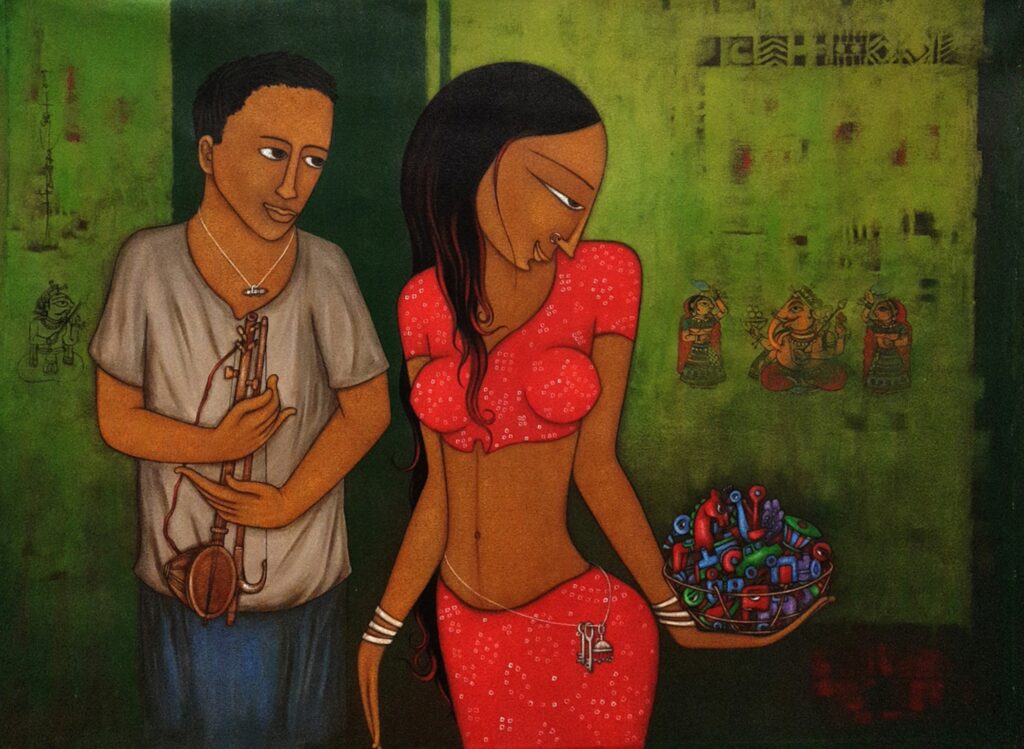
The reimagining of the human form in Indian figurative painting is not just an artistic trend. It is a reflection of a society in transition.
It speaks to who we are, where we come from, and where we are going.
For anyone exploring Contemporary Indian art, this is a space worth paying attention to. Whether you are looking to invest, decorate, or simply connect with meaningful art, figurative works offer something unique.
On Mojarto, this journey becomes accessible. Each piece invites you to look closer, think deeper, and feel more.
And in a world that often moves too fast, that connection is perhaps the most valuable thing art can offer.
FAQs –
1. What makes the human figure in painting important in contemporary Indian art?
The human figure in painting allows artists to express complex emotions, identity, and social realities. In contemporary Indian art, it goes beyond physical representation and becomes a powerful tool for storytelling and personal expression.
2. How is Indian figurative painting different from traditional figurative art?
Indian figurative painting today focuses less on realism and more on interpretation. Artists experiment with form, colour, and perspective to reflect modern themes such as identity, urban life, and emotional depth.
3. Why is contemporary Indian figurative art gaining popularity among collectors?
Collectors are drawn to contemporary Indian art because it feels relatable and meaningful. Figurative works create an emotional connection and often carry strong narratives, making them both visually engaging and valuable over time.
4. Is investing in Indian figurative painting a good decision?
Yes, many emerging artists in Indian figurative painting are gaining recognition. Investing early in their work can offer both aesthetic value and long-term financial potential as their careers grow.
5. How can I choose the right figurative artwork for my space?
Look for a piece that resonates with you emotionally and complements your space. Consider the story behind the artwork, the colour palette, and how the human figure in painting fits into your overall interior style.