
There are paintings that tell a story at first glance. You see a figure, a street, a festival, a landscape, and the meaning begins to unfold immediately. Then there is another kind of painting. It says nothing directly, yet it makes you feel something before you can explain why.
That is where colour becomes language.
Across generations, Indian abstract painters have explored a powerful truth: a canvas does not need characters or visible events to move the viewer. Tone, contrast, layering, silence, heat, and rhythm can all emerge through colour alone. A field of burnt orange may feel like memory. Deep indigo can feel meditative. Crimson beside charcoal may suggest tension, urgency, or inner conflict.
For collectors, designers, and thoughtful buyers, this matters deeply. Art is not only something to look at. It is something to live with. The right painting can shift the emotional atmosphere of a room every single day.
At Mojarto, this emotional connection is often what draws people toward contemporary Indian works that do not rely on obvious storytelling, but still leave a lasting impression.
Why Colour Often Speaks Louder Than Subject
The human brain reacts to colour faster than it reacts to detail. Before we interpret form, we register sensation. That is why a painting can feel peaceful, restless, nostalgic, or expansive within seconds.
This is especially relevant in abstract work. Without a clear narrative, the viewer becomes more sensitive to atmosphere. A muted palette can quiet the mind. Sharp contrasts can energise the eye. Repeated tones can create rhythm similar to music.
This is one reason serious buyers increasingly turn toward non-literal work. It allows space for personal interpretation while still delivering a strong emotional presence.
When people search for How Indian painters use colour for emotion, they are often asking a deeper question: how can art communicate without words? The answer is through visual instinct.
The Indian Relationship With Colour Runs Deep
To understand contemporary Indian painting, one must first understand how central colour is to Indian life itself.
India experiences colour not as decoration, but as identity, season, ritual, celebration, memory, and mood. Saffron, vermilion, turmeric yellow, peacock blue, monsoon grey, temple marigold, desert ochre, river green, festive pink. These shades are woven into daily life.
Artists absorb these experiences naturally. Even when they paint abstractly, those emotional associations remain present.
A modern canvas may contain no visible festival, no village, no figure, no shrine. Yet the pulse of lived colour remains inside the work. That is why many Indian contemporary paintings feel emotionally rich even in silence.
Mood Without Narrative Is More Personal
When a painting tells a fixed story, the viewer follows the artist’s path.
When a painting builds mood instead, the viewer enters with their own memories.
That difference is powerful. One person sees longing in a blue surface. Another feels stillness. Someone else remembers evening rain. None of them is wrong.
This open-ended quality is why collectors often form lasting relationships with abstract work. It grows with them. Meanings shift over time.
A young professional may first buy a painting for its energy. Years later, the same work may feel grounding and reflective. Good art evolves because the viewer evolves.
That is the enduring strength of Mood in abstract art.
How Indian Painters Use Colour to Create Emotion
Not every emotional painting relies on bright tones. In fact, many of the most moving works are built through restraint.
Here are some methods often seen in Indian contemporary practice:
Warm Tones for Vitality and Memory
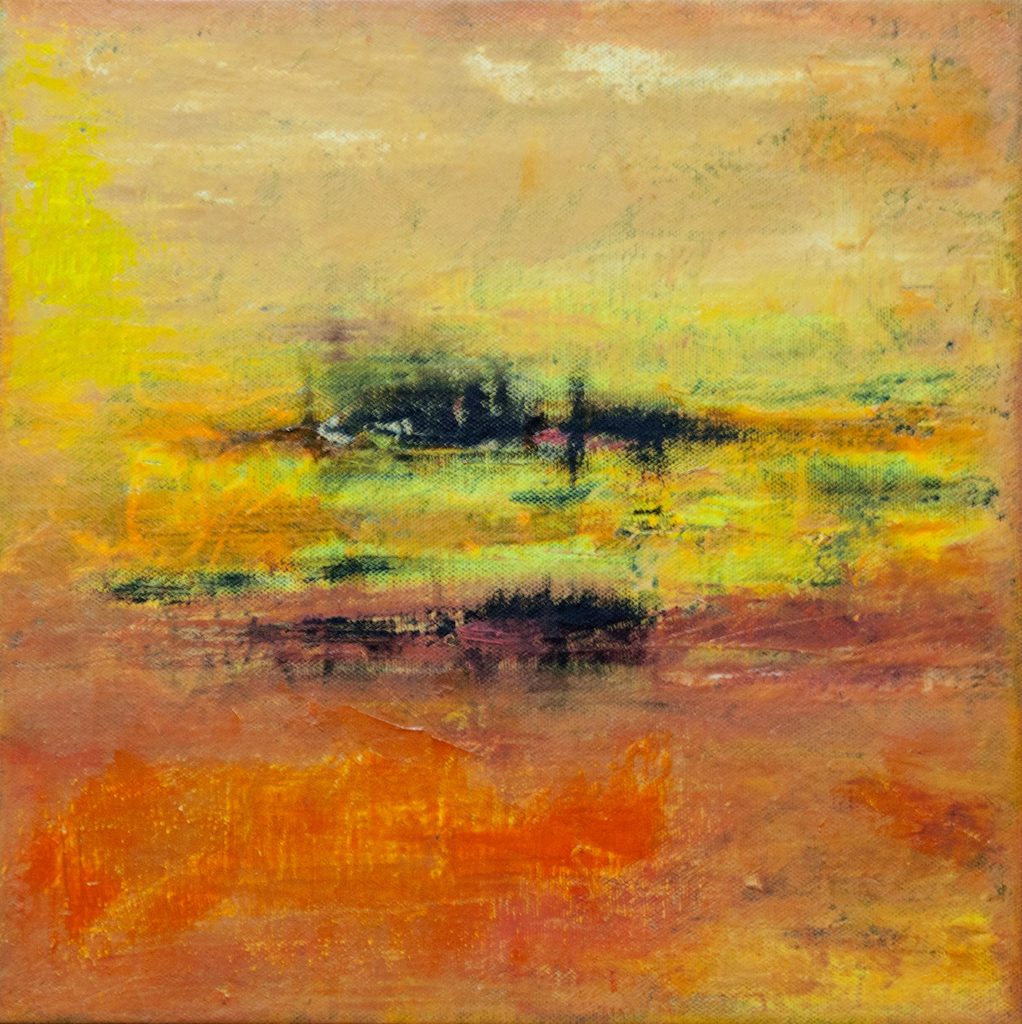
Earth reds, terracotta, rust, saffron, amber, and deep orange often carry warmth. They can feel celebratory, human, intimate, or rooted.
These colours may echo soil, spice markets, fading walls, evening light, or sacred spaces. Even in abstraction, they feel familiar.
Blue for Reflection and Inner Space
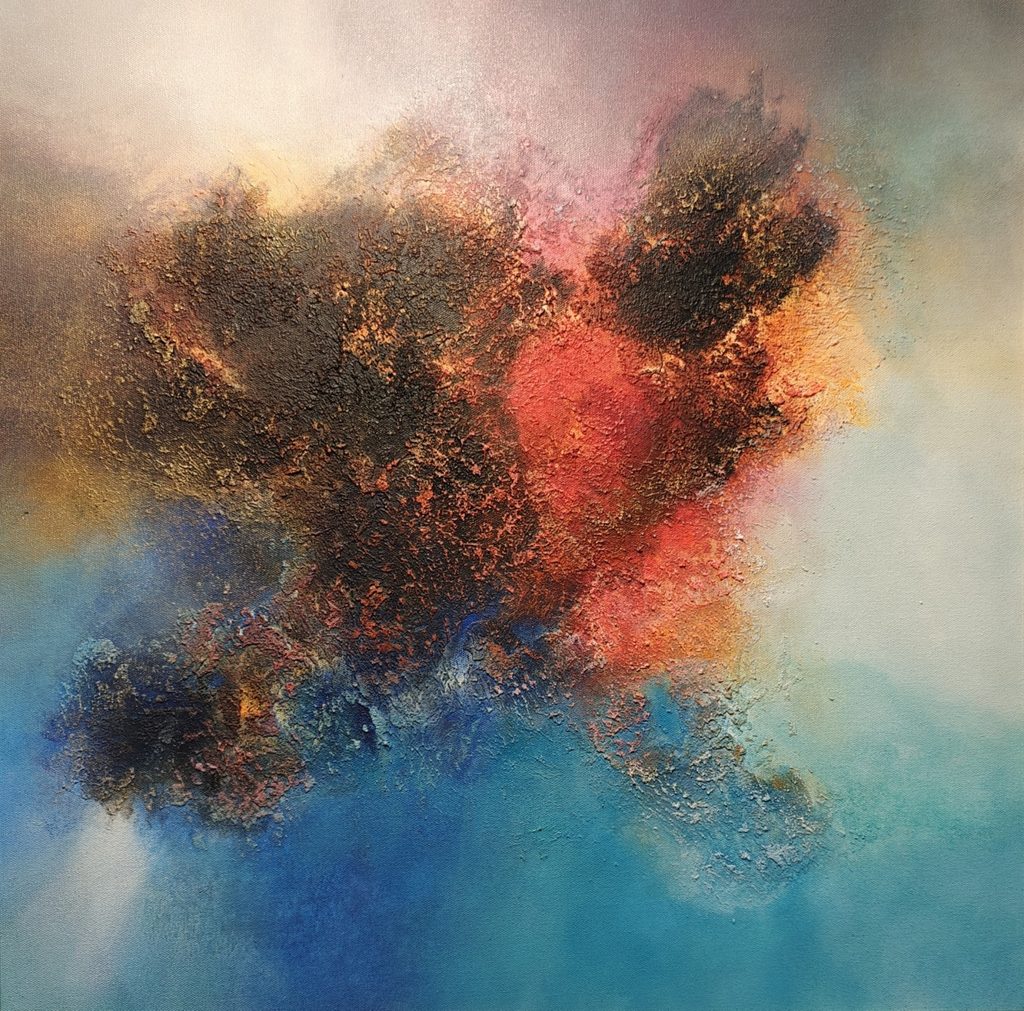
Blue has many emotional registers. Cobalt can feel sharp and modern. Indigo may feel contemplative. Washed blue can feel distant or nostalgic.
Indian artists frequently use blue not only for beauty, but for emotional depth.
Grey, Black, and Neutrals for Silence
Contrary to common belief, subdued palettes are not empty. They can be profound.
Grey can suggest pause. Black can create weight or elegance. Off-whites and smoky neutrals often bring calm sophistication to interiors while holding quiet emotional tension.
Contrast for Drama
When two opposing colours meet, energy rises.
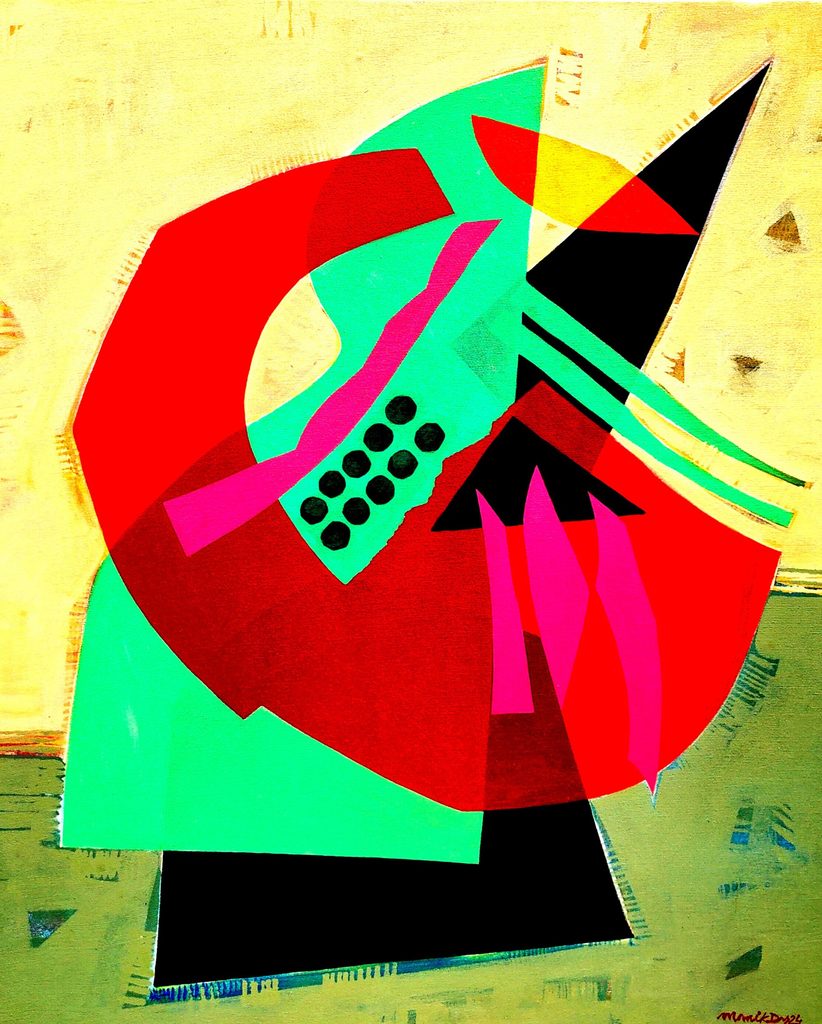
Red beside black, yellow beside blue, pale pink beside brown. These pairings create friction, movement, and emotional charge.
This is central to Emotion through colour art because feeling often lives in relationships, not isolated tones.
Texture Changes Emotion Too
Colour alone is powerful, but colour with texture becomes even stronger.
A smooth surface may feel distant or serene. Thick layered paint can feel urgent, physical, alive. Scraped passages may suggest memory or erosion. Transparent washes can feel fleeting.
Many Indian painters use texture to deepen emotional response without ever showing a literal subject.
Collectors sometimes underestimate this when browsing online. Yet once the work enters a space, texture transforms the experience. Light changes it throughout the day. Distance changes it. Mood changes it.
Why Buyers Are Choosing Emotional Abstract Art for Their Spaces
Today’s buyers are often less interested in predictable decorative art and more interested in pieces that carry feeling.
Homes have become places of restoration. Offices aim to inspire clarity and creativity. Hospitality spaces seek atmosphere rather than clutter.
That is where emotionally driven abstract work excels.
Instead of telling guests what to think, it creates a tone they can sense. Instead of dominating a room with obvious imagery, it enriches the environment quietly.
This is why collectors searching for Indian abstract painters increasingly look for works that offer depth, not just colour matching.
The Difference Between Trendy Colour and Meaningful Colour
Not every colourful painting has emotional intelligence.
Some works use bright palettes only for surface impact. They may catch attention quickly but lose interest just as fast.
Meaningful colour has intention. It feels balanced even when intense. It creates movement without chaos. It leaves an aftertaste in the mind.
You notice this in serious art. The longer you look, the more it reveals.
That is the difference between buying something merely decorative and acquiring something you return to again and again.
Building Mood With Colour in Indian Art
Many first-time collectors ask for art that “matches the room.” A better question is: what should the room feel like?
Should it feel calm after long workdays? Should it feel energised and creative? Should it feel intimate, elegant, meditative, expansive?
Once mood becomes the priority, art choices improve dramatically.
That is why Building mood with colour in Indian art is a smarter lens than simple style trends. A strong painting shapes atmosphere more effectively than cushions, accessories, or temporary décor updates.
A single thoughtful canvas can change the emotional temperature of a space.
Why Indian Contemporary Art Resonates Globally
Indian artists often bring a rare combination of emotional intensity and visual sophistication. Their work may carry memory, spirituality, urban tension, landscape echoes, or cultural rhythm without becoming literal.
This gives the art international relevance.
Collectors in Mumbai, Delhi, London, Singapore, Dubai, or New York may respond differently to the same painting, yet all can feel its emotional truth.
That universality is one reason Indian contemporary art continues gaining attention among serious buyers worldwide.
What to Look for When Choosing an Emotional Painting
If you are exploring abstract art, trust both eye and instinct.
Ask yourself:
- Does the work slow you down?
- Does it energise or calm you?
- Do you keep returning to it?
- Does it feel layered rather than obvious?
- Can you imagine living with it for years?
These questions matter more than trying to decode a hidden story.
The strongest emotional works do not need explanation. They create presence immediately and deepen over time.
Discovering Works That Stay With You
A meaningful collection is rarely built overnight. It grows through instinct, curiosity, and repeated encounters with art that feels alive.
Platforms like Mojarto make it easier for collectors to explore a broad range of contemporary voices, discover emerging talent, and engage with works that move beyond surface decoration.
Whether you are beginning your journey or refining an existing collection, emotional resonance is often the best guide.
Final Thought
A painting does not need figures, landmarks, or clear events to speak powerfully. Sometimes colour alone can hold memory, tension, joy, grief, silence, or renewal.
That is the brilliance many Indian abstract painters understand so well. They build feeling without forcing a story. They invite the viewer into a private conversation shaped by tone, rhythm, and atmosphere.
In a world full of noise, that kind of art offers something rare.
It lets you feel first, and interpret later.
FAQs
1. How do Indian abstract painters create emotion without showing stories?
Indian abstract painters use colour combinations, texture, contrast, and composition to create feelings such as calm, joy, nostalgia, or intensity without literal scenes.
2. Why is colour important in abstract art?
Colour creates the first emotional response in a viewer. It can shape mood, energy, and atmosphere before the mind interprets forms or meaning.
3. What emotions can colour express in paintings?
Warm colours often suggest passion or warmth; blues can feel reflective; neutrals may feel calm, and bold contrasts can create tension or excitement.
4. Why are collectors interested in mood-based abstract art?
Collectors value mood-based art because it creates atmosphere, feels timeless, and allows personal interpretation that grows over time.
5. Where can I explore Indian contemporary abstract art online?
You can discover curated collections of Indian contemporary and abstract artworks through trusted online platforms like Mojarto.