
In an age where visual culture is often dominated by bold contrasts and immediate impact, many artists in India are turning towards restraint. Subtle colour palettes are emerging as a thoughtful counterpoint to excess, offering art lovers a slower, more contemplative way of seeing. This shift is not about the absence of colour, but about its careful calibration—where muted tones, softened hues, and layered neutrals invite viewers to pause, reflect, and feel.
Indian art has always held a nuanced relationship with colour. From the mineral pigments of ancient murals to the vegetable dyes of folk traditions, colour was historically tied to nature, ritual, and lived experience. Contemporary practices are revisiting this inheritance with a modern sensibility, favouring understatement over spectacle and depth over display.
Reinventing Tradition Through Restraint
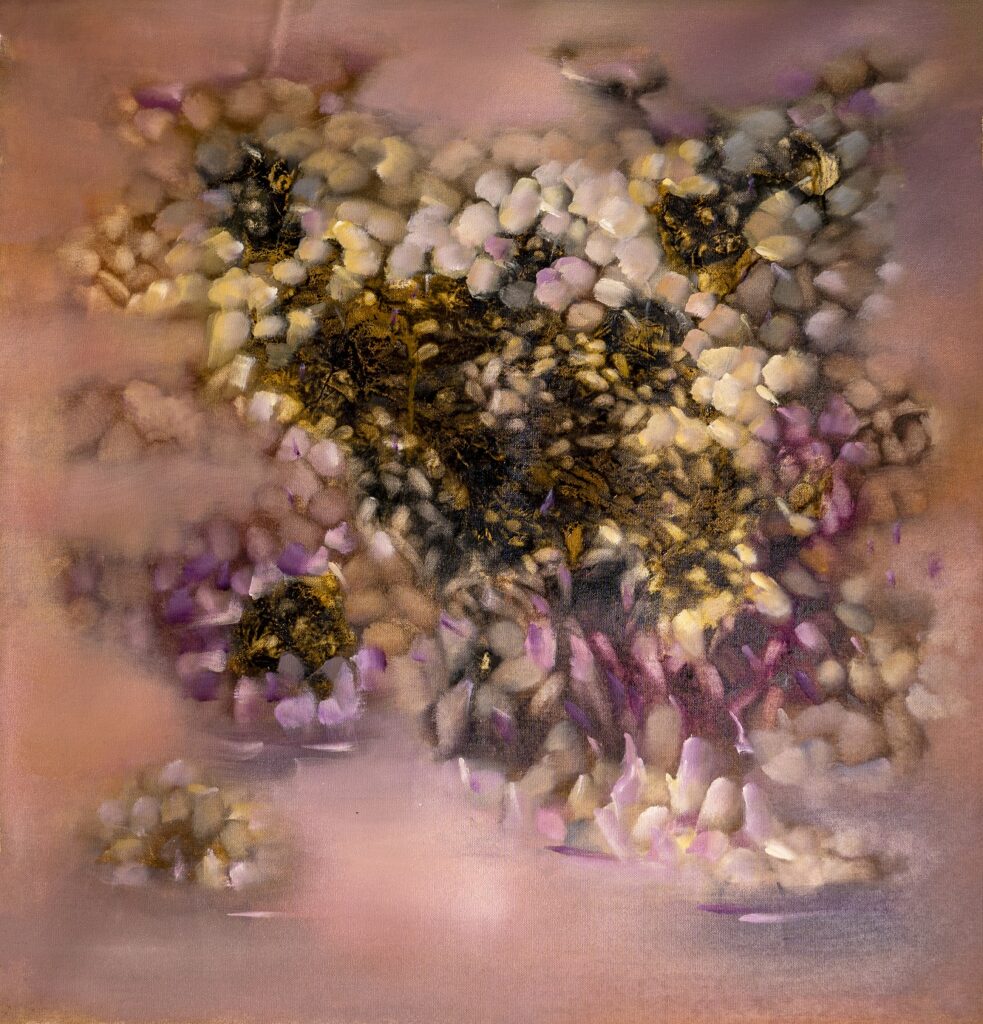
Many Indian artists today draw quietly from regional traditions such as Gond and Phad painting, where natural pigments like ochre, terracotta, and charcoal once formed the visual backbone. Instead of replicating these colours in their original intensity, artists soften them—allowing earthy browns, muted reds, and smoke-greys to breathe within modern compositions. This reinvention allows heritage to remain present without feeling archival.
The approach is especially visible in Minimalist Indian painting, where form and texture are given precedence over decorative detail. Here, colour functions almost like silence in music—shaping rhythm and emotion without dominating the composition. The result is work that feels timeless, grounded, and quietly confident.
Emotional Depth Beyond Vibrancy
Soft sage greens, blush pinks, terracotta browns, and muted blues recur across many contemporary canvases. These hues evoke what classical Indian aesthetics describe as shanta rasa—a sense of calm and tranquillity. Rather than commanding attention, they invite intimacy.
This emotional depth is central to why Subtle colour palettes resonate so strongly with viewers today. In homes and galleries alike, such works create spaces for introspection. They encourage the eye to linger, discovering layers of meaning in texture, surface, and light rather than in loud chromatic contrast.
Cultural Resonance and Quiet Luxury
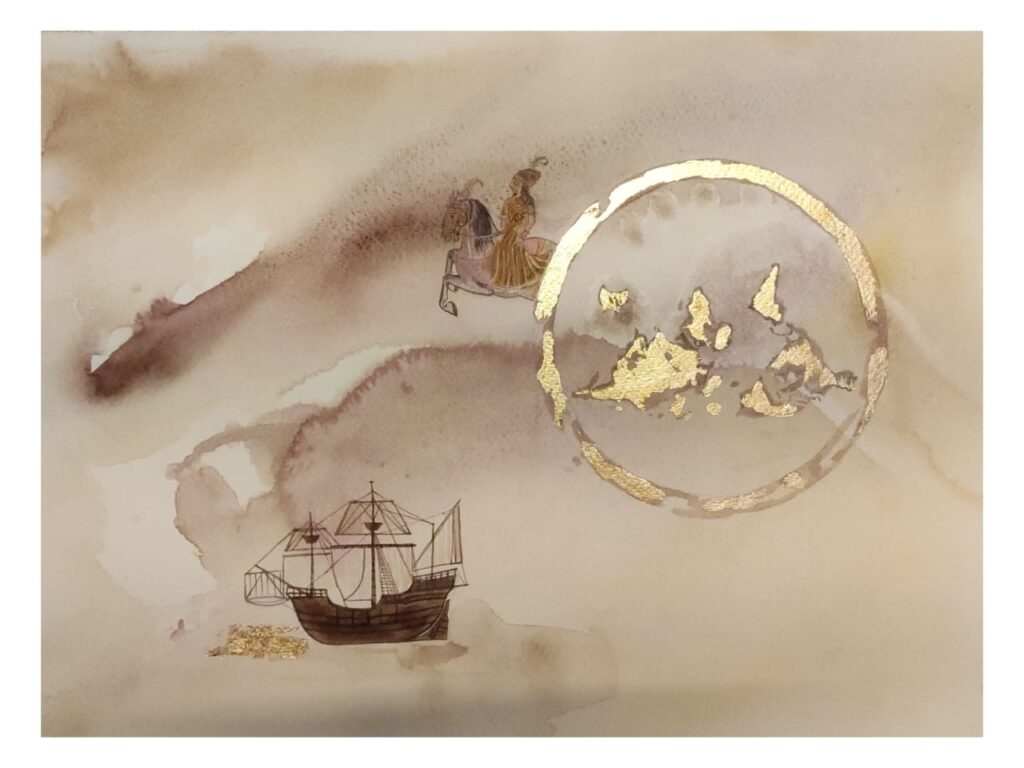
Earthy neutrals hold a deep cultural memory in the Indian context. The colour of clay vessels, temple walls, village homes, and forest paths finds quiet echoes in contemporary art. Cool tones—like ash blue or softened indigo—offer a sense of retreat from visual noise, aligning with the global idea of “quiet luxury” while remaining rooted in local sensibilities.
Many Indian contemporary artists are consciously engaging with this balance. Their works speak to modern lifestyles without abandoning cultural memory, creating a bridge between ancestral landscapes and urban interiors.
Texture, Light, and the Language of Minimalism
When colour steps back, other elements step forward. Texture becomes tactile; light gains presence; form asserts itself with clarity. This philosophy aligns closely with ideas found in Japanese Wabi-Sabi, yet it finds a natural home in Indian art traditions that have long valued imperfection and impermanence.
Within Color theory in Indian art, restraint is not limitation but strategy. By reducing chromatic intensity, artists allow subtle tonal shifts to carry meaning. A slight variation in beige, a layered wash of grey, or a softened line of indigo can suggest time, memory, or silence.
Earth, Pastel, and Indigo: A Contemporary Vocabulary
Across studios and exhibitions, certain chromatic families appear again and again. Sand, clay, and ochre ground artworks with warmth and familiarity. Soft whites and sage greens bring a sense of air and balance, often echoing natural materials like stone and wood. Blush pinks paired with mushroom greys introduce refinement without fragility. Deep indigos and muted blues recall traditional pigments, yet feel unmistakably current.
In Modern Indian abstraction, these colours are rarely symbolic in a literal sense. Instead, they operate atmospherically—creating mood, depth, and spatial ambiguity. The viewer is not told what to feel, but gently guided towards it.
A Contemporary Sensibility Rooted in Heritage
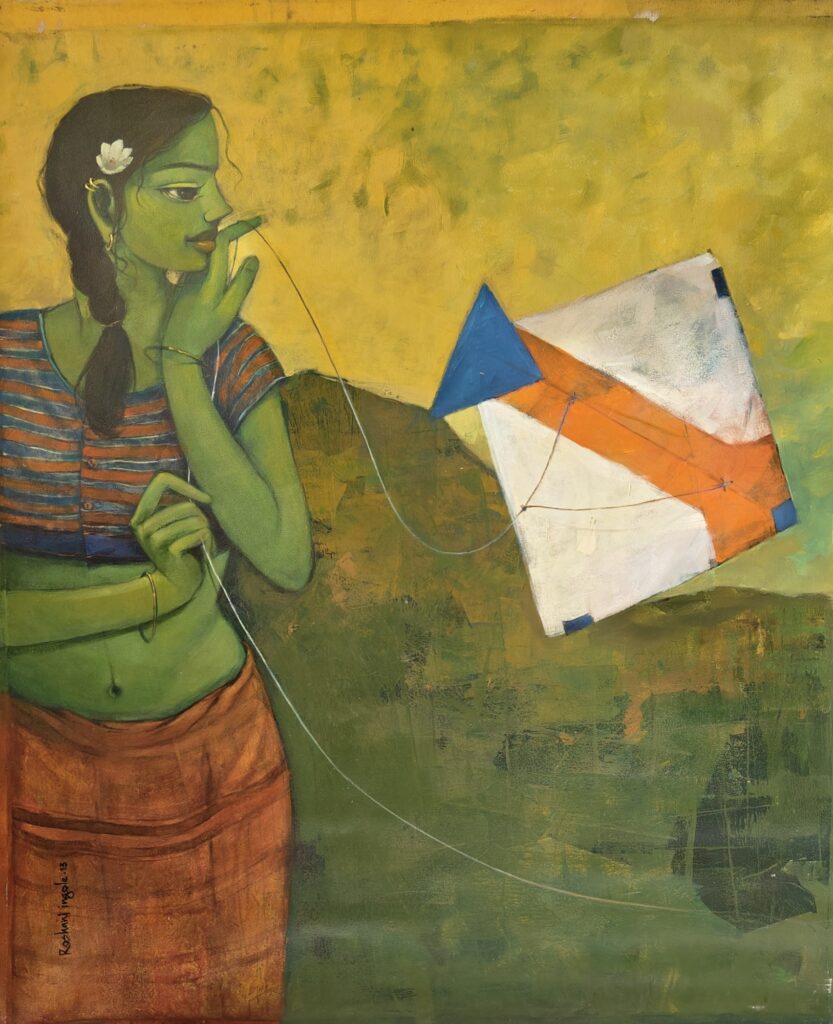
Many celebrated contemporary artists explored colour as philosophy rather than decoration, paving the way for today’s quieter explorations. Contemporary practitioners extend this lineage, using restraint to ask deeper questions about identity, place, and belonging.
What emerges is art that does not demand attention, but earns it. Subtle colour palettes allow stories to unfold slowly, rewarding patience and sensitivity. They mirror a broader cultural desire for intentional living and meaningful engagement—values that resonate strongly with today’s art lovers.
Discover Contemporary and Folk Arts with Mojarto
Mojarto, India’s leading online art platform since 2005, brings together a curated collection of original Indian artworks, from paintings and printmaking to sculpture and photography. Explore timeless creations by emerging and established artists, featuring serene earthy tones, soft pastels, and modern minimalism that embody the quiet power of subtle colour palettes. With authentic artworks delivered safely to your home, we make collecting and experiencing contemporary Indian art effortless, sophisticated, and deeply inspiring.
Conclusion
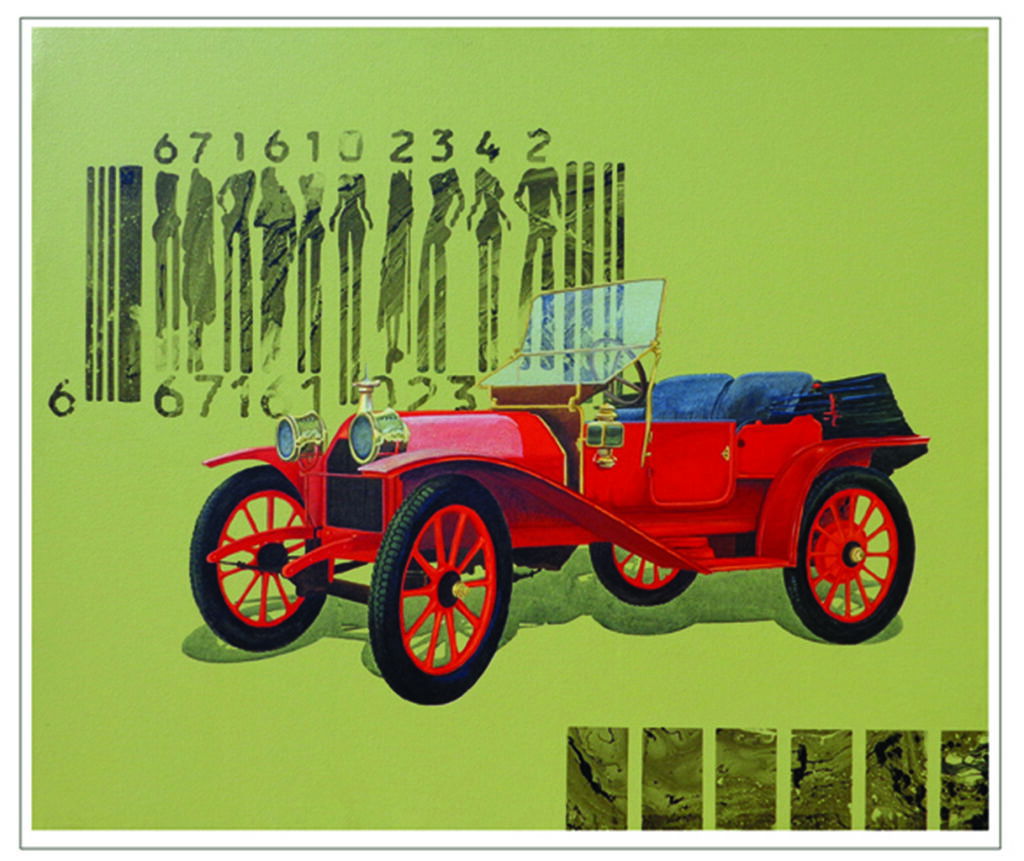
In contemporary Indian art, softness is not weakness. It is strength refined by thought, memory, and purpose. Subtle colour palettes reveal how restraint can carry emotion, how muted tones can speak loudly, and how heritage can be reimagined without being diluted. As viewers increasingly seek depth over drama, these quiet compositions remind us that sometimes, the most powerful statements are made in a whisper.