
“Have you ever looked at a painted face and felt like it was looking back at you?”
It’s a strange, almost intimate experience. Not because the subject is familiar, but because the emotion feels recognisable. A fleeting expression, a distant gaze, or even a still, unreadable face can trigger something personal. You don’t just see the portrait; you respond to it.
In modern Indian art, this response is intentional. Artists are no longer focused on perfect likeness or technical precision alone. What matters more is what the face carries beneath the surface. Memory, identity, conflict, and quiet emotion all find space within a single expression. The face becomes less of an image and more of an emotional record.
That is where the psychology of facial expressions in Indian art comes into play. It encourages viewers to look deeper, to question what they see, and to engage with the artwork on a more personal level. For audiences exploring collections on Mojarto, this shift transforms portraits into experiences that unfold gradually, revealing new layers with every encounter.
Faces as Emotional Landscapes
Modern Indian portraiture often treats the face as a terrain of lived experience. Every wrinkle, every shadow, every distortion becomes part of a narrative. Unlike classical portraiture, where idealism and perfection often took centre stage, contemporary artists embrace imperfection as truth.
This shift has made emotional expressions in modern Indian portraits more layered and nuanced. A face may appear calm at first glance, yet reveal tension upon closer inspection. Another may seem fragmented, reflecting identity struggles in a rapidly changing society.
The result is art that does not just decorate a space but transforms it. When a viewer encounters such a portrait, they are not merely observing. They are participating in an emotional exchange.
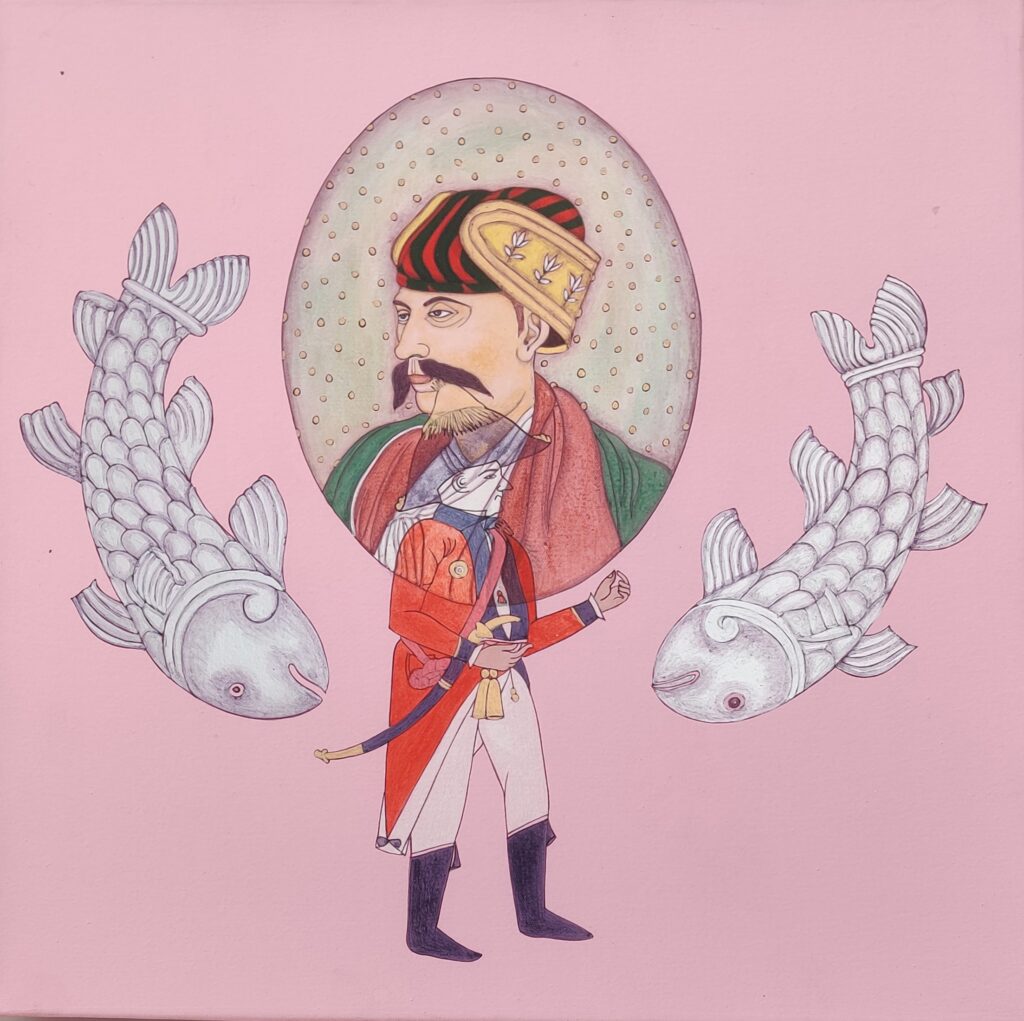
The Subtle Language of Expression
One of the most fascinating aspects of portrait art is how little it takes to communicate something profound. A slight tilt of the head or the direction of a gaze can change the entire meaning of a painting.
Artists working in modern Indian contexts often draw from a mix of cultural memory, personal experience, and contemporary realities. This creates a layered visual language where expressions are rarely straightforward.
To truly understand how facial expressions reveal emotions in modern Indian art, one must learn to slow down. These artworks are not meant to be consumed instantly. They ask for attention, for patience, and for emotional openness.
For collectors and enthusiasts, this creates a richer experience. Each viewing becomes an opportunity to discover something new, making the artwork feel alive over time.
Cultural Memory and Emotional Depth
India’s cultural diversity plays a significant role in shaping facial expressions in art. Expressions are not universal in their meaning. A downward gaze in one context may suggest humility, while in another it may indicate introspection or even resistance.
Modern Indian artists often tap into these layered meanings. They reinterpret traditional emotional codes through contemporary perspectives. This interplay between past and present adds depth to the meaning of facial expressions in Indian paintings.
For example, a portrait inspired by rural life may carry expressions rooted in resilience and endurance. An urban portrait, on the other hand, might reflect isolation or fragmented identity. Both are deeply psychological, yet shaped by different lived realities.
For Mojarto’s audience, this diversity offers a wide spectrum of emotional narratives to explore. It allows buyers to connect with art that resonates with their own experiences or aspirations.
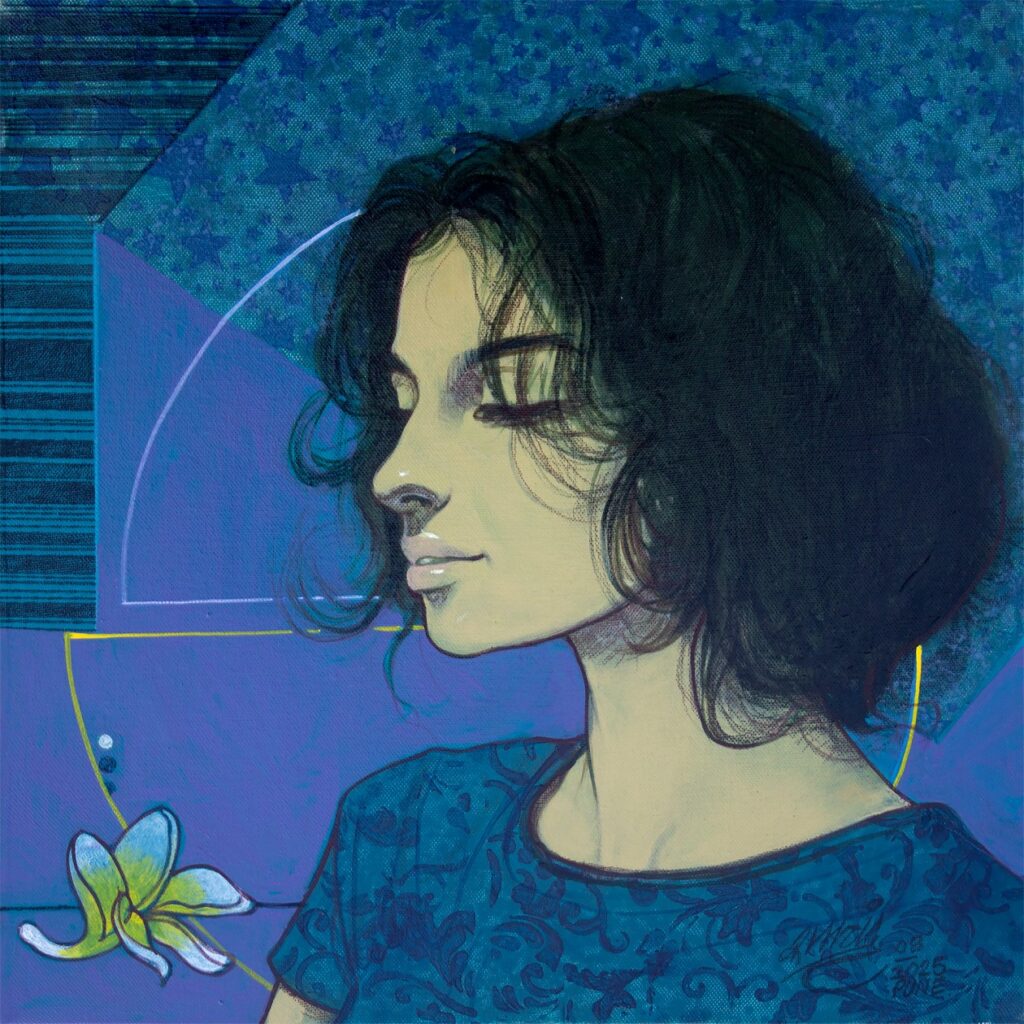
Beyond Realism: Distortion as Expression
One of the defining features of modern Indian portraiture is the use of distortion. Faces are stretched, fragmented, or abstracted. At first glance, this may seem like a departure from reality. In truth, it often brings us closer to emotional truth.
Distortion allows artists to amplify feelings that cannot be easily expressed through realistic representation. Anxiety, conflict, desire, and memory often find clearer expression in altered forms.
This approach is central to the psychology of faces in modern Indian art. It challenges viewers to look beyond surface appearances and engage with deeper emotional layers.
For collectors, such works often hold a strong presence. They provoke thought, spark conversation, and remain memorable long after the first encounter.
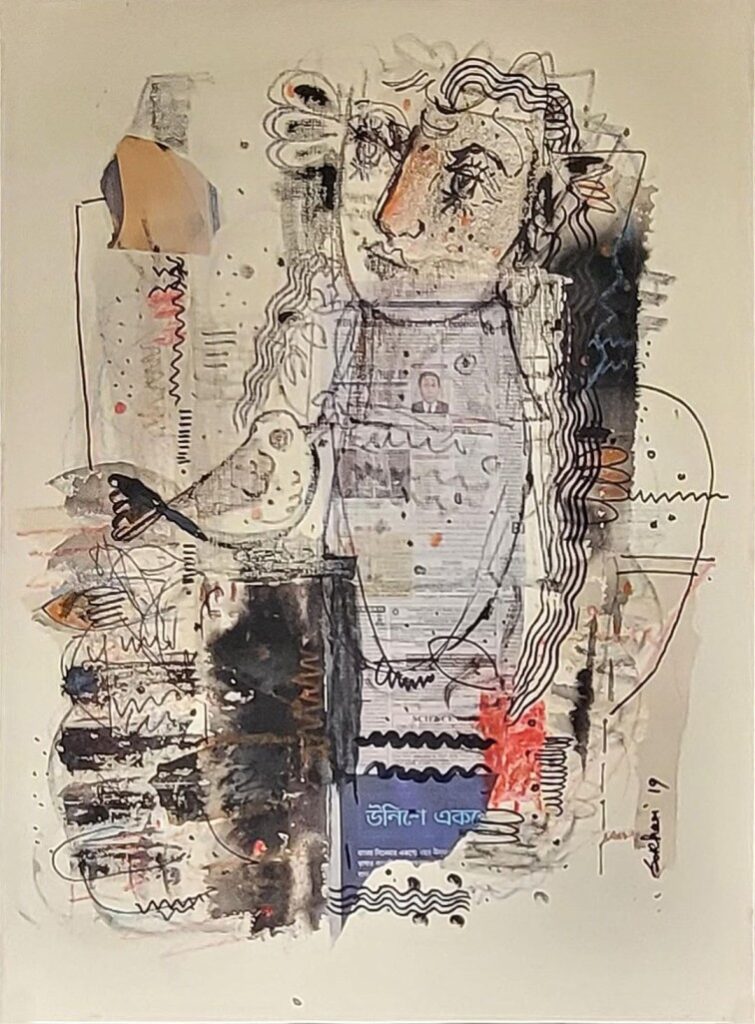
The Gaze: Where Emotion Meets the Viewer
Few elements in portraiture are as powerful as the gaze. Eyes can confront, invite, question, or withdraw. In modern Indian portraits, the gaze often becomes a bridge between the subject and the viewer.
Some portraits meet your eyes directly, creating an immediate connection. Others avoid eye contact, drawing you into a more introspective space. In both cases, the viewer becomes part of the narrative.
This dynamic plays a crucial role in decoding emotions in Indian portrait art. The viewer is not just interpreting the painting. They are also reflecting on their own emotional response.
For Mojarto’s audience, this interaction adds value beyond aesthetics. It turns art into an experience rather than a possession.
Identity, Emotion, and the Modern Indian Psyche
Modern Indian portraiture often explores themes of identity. Who are we in a world that is constantly changing? How do we reconcile tradition with modernity? What does it mean to belong?
These questions find expression in faces that carry multiple layers of meaning. A single portrait may reflect personal struggle, cultural memory, and social commentary all at once.
This is where what portrait expressions tell us about the psyche in Indian art becomes particularly relevant. These artworks act as mirrors, not just for the subject but for society as a whole.
For buyers and collectors, such works offer more than visual appeal. They provide intellectual and emotional engagement, making them meaningful additions to any collection.
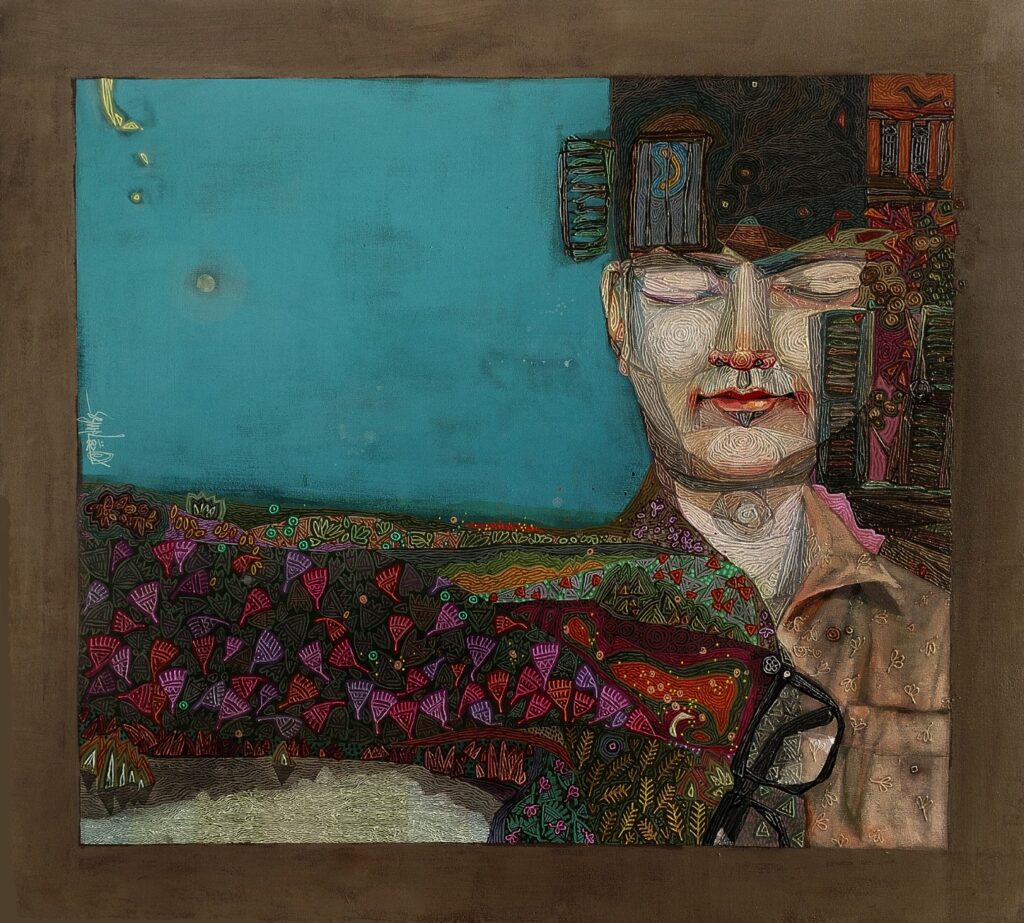
Emotional Storytelling as a Value Driver
From a sales and marketing perspective, emotional storytelling is one of the strongest drivers of art engagement. People do not just buy art because it looks good. They buy it because it makes them feel something.
Portraits with strong psychological depth naturally lend themselves to storytelling. Each piece carries a narrative that can be shared, interpreted, and experienced in multiple ways.
For Mojarto, highlighting the emotional and psychological aspects of portrait art can create deeper connections with potential buyers. It shifts the focus from product to experience, from object to story.
When viewers understand the emotional layers behind a painting, they are more likely to form a personal connection with it. This connection often becomes the deciding factor in their purchase journey.
The Role of Intuition in Interpreting Faces
While analysis can enhance understanding, there is also an intuitive aspect to experiencing portrait art. Sometimes, a face resonates without a clear explanation. It feels familiar, even if the viewer cannot articulate why.
This intuitive response is a key part of the psychology of facial expressions in Indian art. It reminds us that art is not just about logic. It is about feeling, memory, and subconscious recognition.
Encouraging viewers to trust their instincts can make the art-buying experience more personal and less intimidating. It opens the door for a wider audience to engage with modern Indian portraiture.
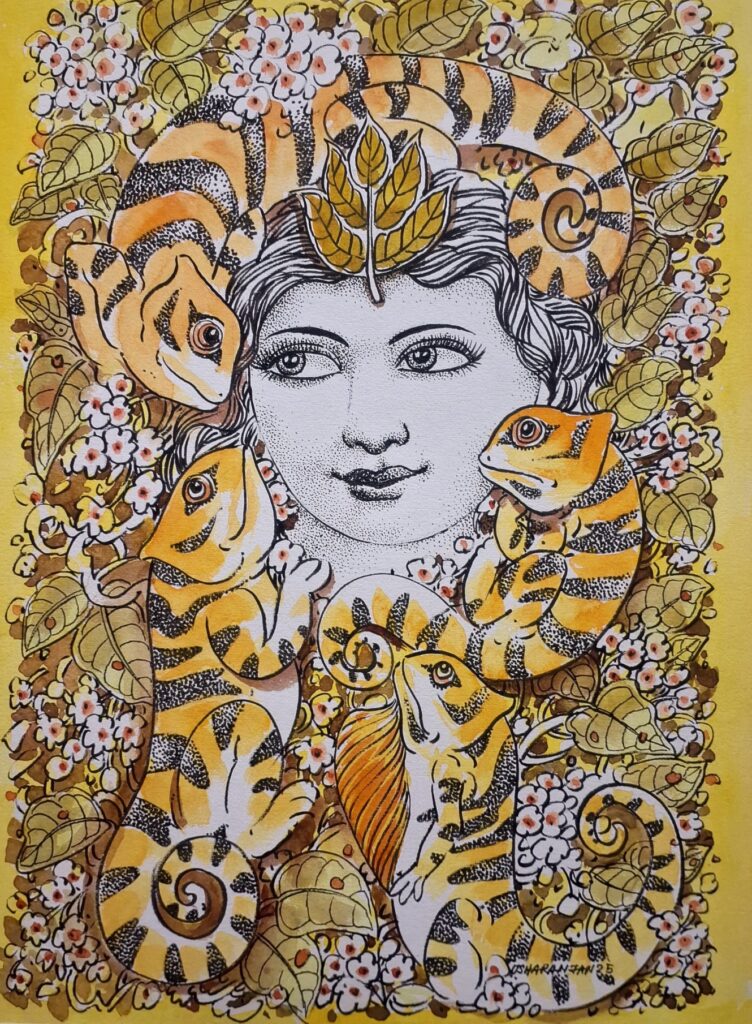
Why Portrait Art Resonates with Today’s Audience
In an age dominated by digital images and fleeting attention spans, there is something grounding about a painted face. It invites stillness. It demands presence.
Modern Indian portraiture, with its focus on psychological depth, offers a counterbalance to the fast pace of contemporary life. It encourages viewers to pause, reflect, and connect.
This makes it particularly appealing to today’s audience, who are increasingly seeking meaningful experiences over superficial ones.
For Mojarto, this presents an opportunity to position portrait art as not just visually appealing but emotionally enriching. It aligns with the growing demand for authenticity and depth in creative expression.
Bringing It All Together
The power of portrait art lies in its ability to capture the complexity of human emotion. In modern Indian art, this power is amplified through cultural context, artistic experimentation, and psychological insight.
The psychology of facial expressions in Indian art offers a unique lens through which to explore this richness. It transforms portraits from static images into dynamic emotional experiences.
From emotional expressions in modern Indian portraits to the deeper meaning of facial expressions in Indian paintings, each artwork becomes a story waiting to be discovered. Through decoding emotions in Indian portrait art, viewers can engage with these stories on a personal level.
For Mojarto, embracing this narrative-driven approach can create stronger connections with audiences. It allows the platform to go beyond showcasing art and become a space where stories, emotions, and human experiences come together.
In the end, a face in a painting is never just a face. It is a doorway. And for those willing to look closely, it reveals far more than meets the eye.