
There is a quiet shift taking place in the art world. It does not announce itself loudly, nor does it rely on spectacle. Instead, it reveals itself in the texture of a brushstroke, the uneven line of ink on paper, the layered depth of pigment that cannot be replicated by software. In a time where screens define visual culture, artists and collectors alike are returning to something deeply human. The hand-rendered detail in contemporary art is not just surviving. It is regaining its voice.
For platforms like Mojarto, this shift is not a passing trend. It reflects a bigger change in how art is experienced, valued, and collected. The growing revival of hand-rendered art signals a renewed appreciation for authenticity, process, and emotional connection. In a digital world that prioritises speed and replication, hand-created work offers something rare. It carries the presence of the artist.
The Digital Surge That Changed Everything
Over the past two decades, digital tools have transformed how art is created and consumed. From tablets to AI-assisted design, the accessibility of digital creation has opened doors for millions of artists. It has made art faster, more scalable, and easier to distribute.
Yet, with this convenience came a subtle loss. When everything can be duplicated infinitely, originality begins to blur. When precision becomes automated, imperfection loses its place. Audiences began to notice that while digital art can be visually striking, it often lacks the tactile intimacy that traditional methods bring.
This is where the conversation around hand-drawn illustration in a digital age becomes relevant. Artists are no longer choosing between digital and traditional. Instead, they are rediscovering the value of the hand itself.
Why Hand-Rendered Detail Feels Different
There is something instinctively compelling about art created by hand. It is not just about aesthetics. It is about presence.
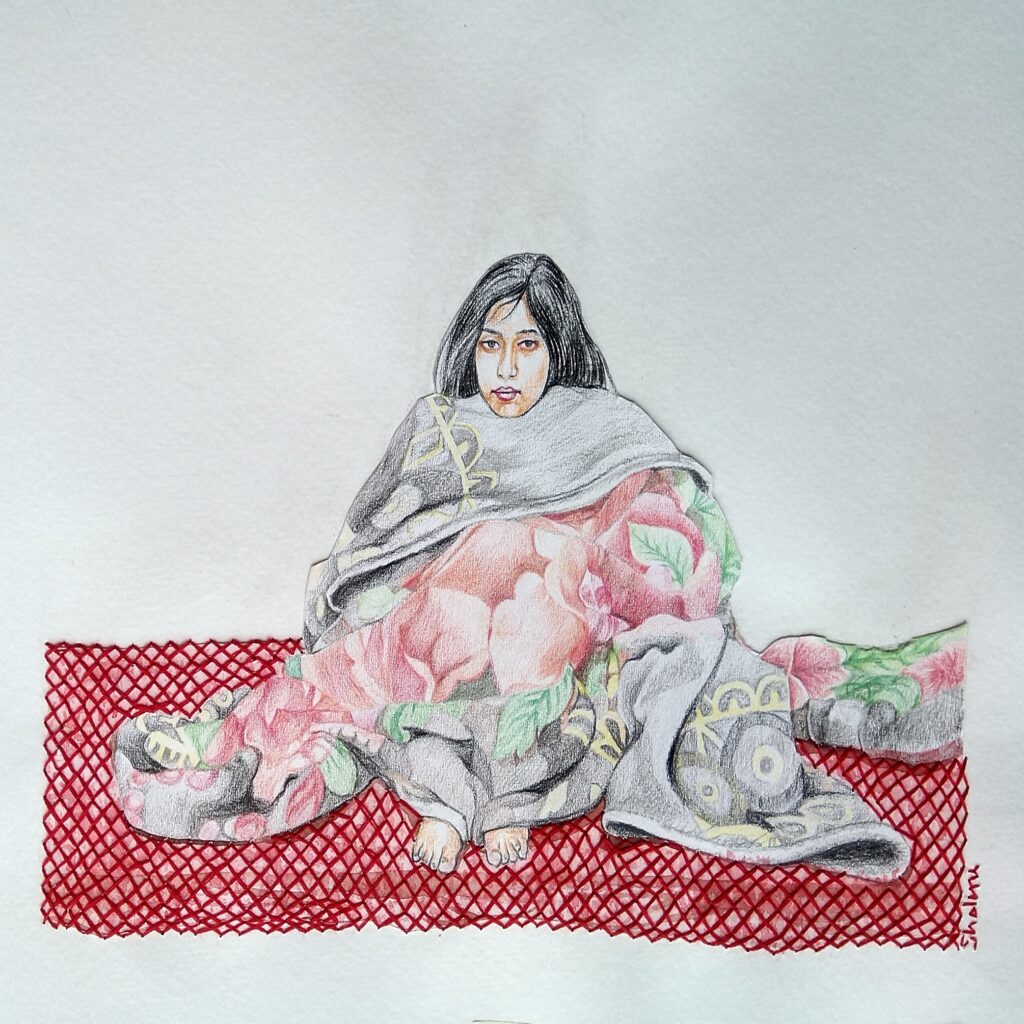
A hand-rendered artwork carries subtle variations that no algorithm can predict. The pressure of a pencil, the rhythm of a brush, the slight deviation in symmetry. These are not flaws. They are signatures of the human experience.
Collectors today are becoming more aware of these nuances. They are drawn to pieces that feel lived in, pieces that tell a story beyond the image. The hand-rendered detail in contemporary art offers this depth. It invites viewers to slow down and engage more closely.
From a marketing perspective, this shift is powerful. It creates emotional differentiation. In a saturated visual market, authenticity becomes a strong value proposition.
The Emotional Currency of Craftsmanship
Art has always been tied to emotion, but hand-rendered work amplifies this connection. When an artist spends hours, sometimes days or weeks, building a piece layer by layer, that time becomes embedded in the artwork.
This is where storytelling becomes essential. Each stroke is part of a narrative. Each detail reflects intention.
Buyers are no longer just looking for something visually appealing. They are seeking meaning. They want to know the process, the inspiration, the journey behind the work. This is where the revival of hand-rendered art aligns perfectly with modern audience expectations.
Mojarto, as a platform, is uniquely positioned to highlight these stories. By showcasing artists who embrace traditional methods, it creates a space where craftsmanship is not just appreciated but celebrated.
When Tradition Meets Modern Context
The resurgence of hand-rendered techniques does not mean a rejection of digital tools. Instead, it signals a more thoughtful integration.
Many contemporary artists are blending traditional art techniques in digital art. They begin with hand sketches, textures, or paintings and then refine or adapt them digitally. This hybrid approach allows them to retain the soul of the artwork while leveraging the flexibility of modern tools.
This intersection is where innovation happens. It respects tradition while embracing evolution.
For Indian artists, this blend is particularly significant. The country has a rich legacy of intricate craftsmanship, from miniature paintings to folk art traditions like Madhubani and Warli. These styles are rooted in detail and storytelling. When brought into contemporary practice, they resonate strongly with both local and global audiences.
The Cultural Pull of Analogue in a Digital Era
The phrase analog art in a digital-dominated world captures a deeper cultural sentiment. People are beginning to crave experiences that feel real, tangible, and grounded.
This is not limited to art. It can be seen in the resurgence of vinyl records, handwritten notes, and handcrafted products. There is a growing awareness that not everything needs to be optimised for speed.
In art, this translates into a renewed interest in media such as charcoal, watercolour, ink, and oil. These materials demand patience and skill. They resist shortcuts.
For collectors, owning such work becomes a way to reconnect with something authentic. It becomes a statement of taste and discernment.
The Role of Detail in Defining Value
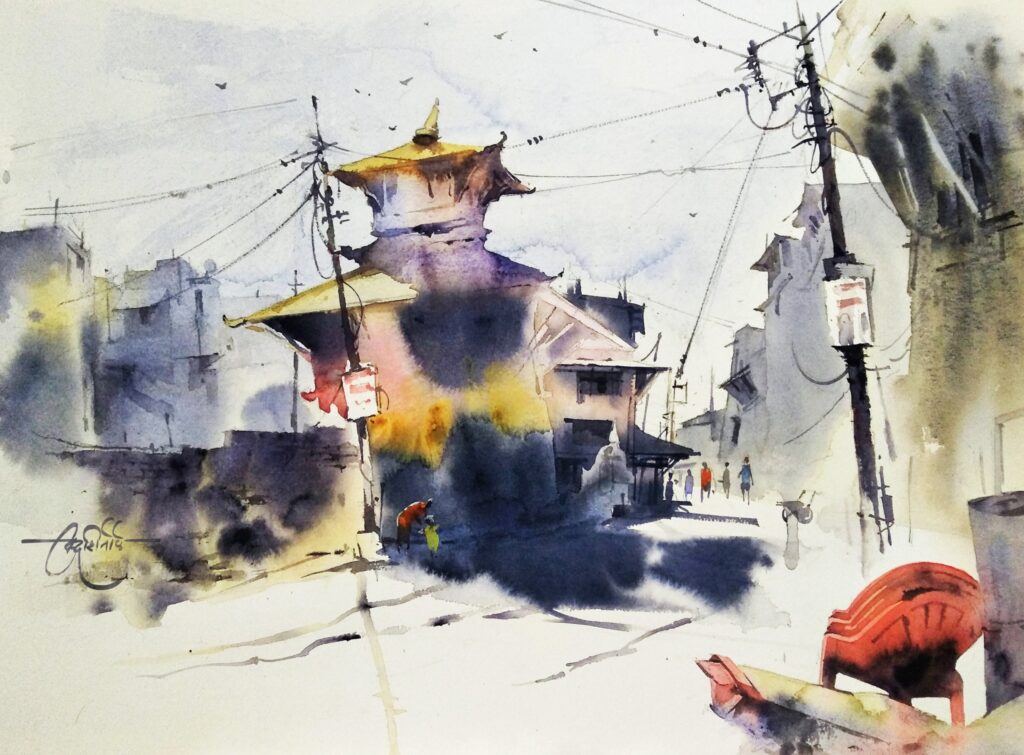
Detail has always been a marker of mastery. In hand-rendered art, it becomes even more significant.
Intricate detailing requires time, focus, and a deep understanding of the medium. It reflects discipline. It reflects care.
From a market perspective, this adds perceived value. When buyers understand the effort behind a piece, they are more likely to appreciate its worth.
The hand-rendered detail in contemporary art becomes a differentiator. It sets certain works apart in a crowded marketplace.
For Mojarto, this presents an opportunity to position such artworks not just as visual pieces but as experiences. By emphasising the craftsmanship and process, the platform can connect with a more discerning audience.
The Artist’s Shift Back to the Hand
Interestingly, many artists who began their journey digitally are now returning to traditional methods. This shift is not driven by nostalgia alone. It is driven by a need for deeper engagement.
Working by hand slows the process. It forces the artist to be present. It creates a different relationship between the creator and the work.
This shift is also visible in art education. Many institutions are reintroducing foundational skills like drawing, shading, and composition. These skills form the backbone of artistic expression.
The revival of hand-rendered art is, in many ways, a return to these fundamentals.
Audience Awareness and Evolving Taste
Today’s art buyers are more informed than ever. They research, compare, and seek authenticity.
Social media has played a role in this shift. While it has amplified digital art, it has also created a platform for artists to showcase their process. Time-lapse videos of hand-drawn work often receive significant engagement. Viewers are fascinated by the transformation from blank canvas to finished piece.
This visibility has increased appreciation for manual techniques. It has made audiences more aware of the effort involved.
The growing interest in hand-drawn illustration in a digital age reflects this change in perception. It is no longer seen as old-fashioned. It is seen as intentional and meaningful.
Indian Context and the Power of Heritage
In India, the revival of hand-rendered detail carries an additional layer of significance. It connects contemporary practice with cultural heritage.
Traditional Indian art forms are deeply rooted in storytelling and symbolism. They rely heavily on intricate detailing. When contemporary artists draw inspiration from these traditions, they create work that feels both timeless and relevant.
This connection adds depth to the artwork. It also creates a unique positioning in the global market.
Mojarto can leverage this narrative by highlighting artists who bring these influences into their work. It creates a bridge between tradition and modernity.
Marketing Hand-Rendered Art in a Digital Marketplace
Selling hand-rendered art in a digital environment requires a thoughtful approach. It is not just about showcasing the final image. It is about communicating the journey.
High-quality visuals are important, but they should be complemented by storytelling. Descriptions that highlight the process, the materials, and the inspiration can make a significant difference.
Video content can also play a role. Showing the creation process adds transparency and builds trust.
The key is to translate the tactile experience into a digital format without losing its essence.
For Mojarto, this means curating not just artworks but narratives. It means creating a space where each piece feels personal and unique.
The Future of Hand-Rendered Detail
The return to hand-rendered techniques is not a rejection of technology. It is a recalibration.
Artists are finding ways to balance efficiency with authenticity. They are choosing when to use digital tools and when to rely on the hand.
This balance is likely to define the future of art. The hand-rendered detail in contemporary art will continue to coexist with digital innovation.
What will set successful artists apart is their ability to create work that resonates emotionally. Technique alone will not be enough. Authenticity will be key.
Why This Matters for Collectors and Platforms
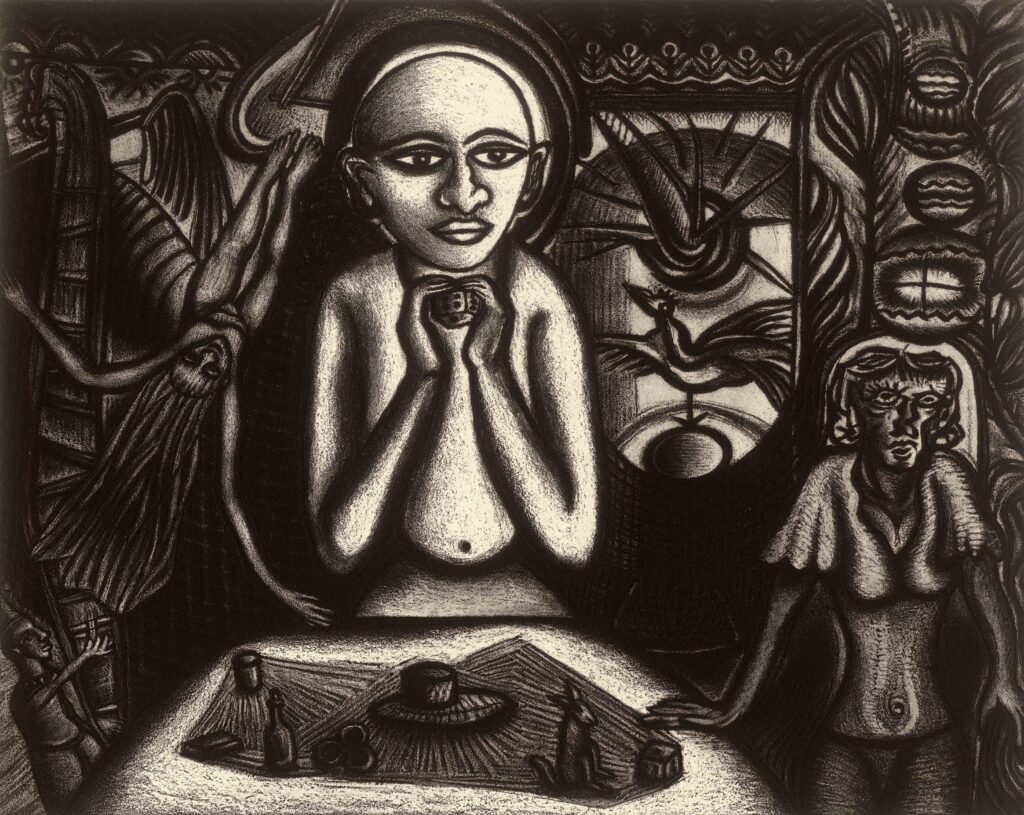
For collectors, investing in hand-rendered art is about more than ownership. It is about connection. It is about valuing the time, skill, and intention behind each piece.
For platforms like Mojarto, this trend offers a clear direction. By focusing on authenticity, craftsmanship, and storytelling, it can differentiate itself in a competitive market.
The revival of hand-rendered art is not just an artistic movement. It is a cultural shift. It reflects a broader desire for meaning in a fast-paced world.
Closing Thoughts
In a landscape dominated by pixels and precision, the human touch is becoming more valuable than ever. The irregular line, the layered texture, the visible effort. These elements remind us that art is not just about what we see. It is about what we feel.
The rise of hand-drawn illustration in a digital age and the growing appreciation for analogue art in a digital-dominated world signal a return to authenticity. It is a movement that values depth over speed, presence over perfection.
For artists, it is an invitation to reconnect with their craft. For collectors, it is an opportunity to engage with art on a deeper level. And for Mojarto, it is a chance to lead a conversation that celebrates the enduring power of the human hand.
As the art world continues to evolve, one thing becomes clear. Technology may shape the tools, but it is the human touch that defines the soul of art.