
Selling art online is not just about uploading a beautiful painting and waiting for a buyer to fall in love with it. The online journey is faster, more crowded and far more visual than a traditional gallery visit. A collector scrolling through an online art marketplace sees dozens of artworks in a few minutes. Some get ignored. Some get saved for later. A few make the buyer stop, look closer and click.
That small click matters. It is the first sign of interest. It means the artwork has created enough curiosity for a buyer to move from passive browsing to active consideration. On Mojarto, where collectors can explore original Indian paintings, prints, sculptures, photography and digital art, this first moment of attraction plays a major role in how art is discovered and purchased.
So, what makes an artwork click-worthy? It is not only the style, colour or subject. It is the way the artwork is presented, positioned and understood by the buyer. From image quality and pricing to artist credibility and emotional connection, every detail influences whether someone decides to explore further.
The Online Art Buyer Thinks Differently
In a physical gallery, the buyer experiences the artwork through scale, texture, silence, lighting and presence. Online, that experience is translated through a screen. The buyer cannot walk around the work. They cannot see the brushstrokes from different angles. They cannot immediately imagine how the piece feels in real life.
This is why an online art marketplace like Mojarto has to do more than display art. It has to help buyers feel confident, informed and emotionally connected before they make a decision. A click-worthy artwork answers the buyer’s unspoken questions quickly:
Does this artwork suit my taste?
Can I trust the artist or platform?
Will it look good in my home or office?
Is it original?
Is the price justified?
Does the story behind it make it more meaningful?
When artists, galleries and sellers understand how buyers choose artwork online, they can present each piece in a way that feels more complete and persuasive.
The First Image Decides the First Impression
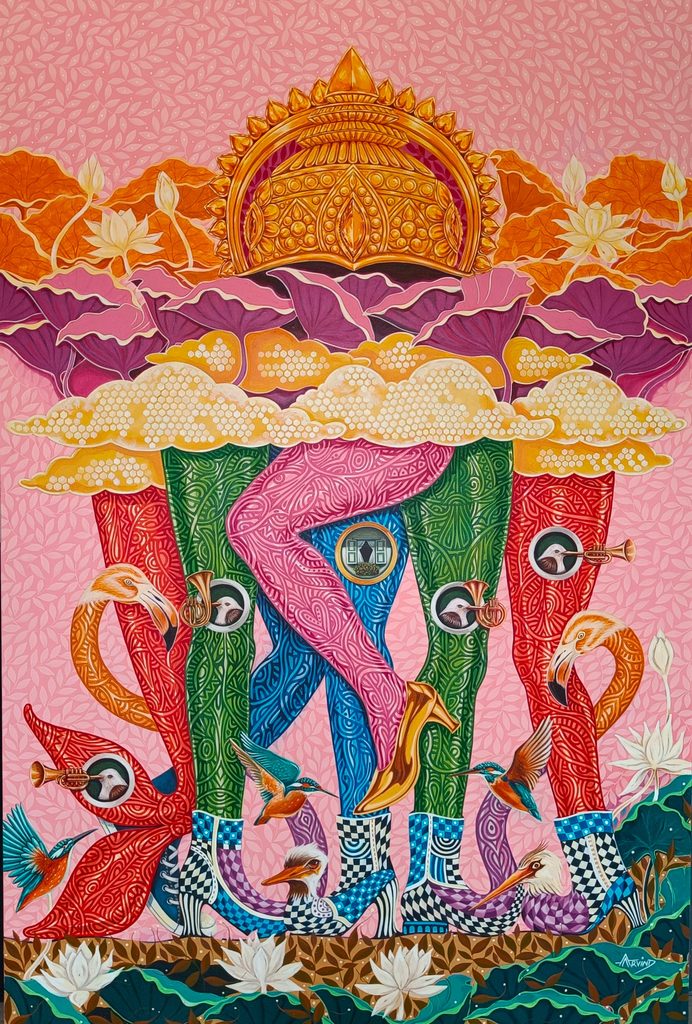
In online selling, the main artwork image is often the biggest deal-maker or deal-breaker. Buyers make quick decisions based on what they see first. A dim image, uneven crop or distracting background can make even a strong artwork look ordinary.
On Mojarto, where buyers browse through curated Indian art across different styles and mediums, the image has to do the first round of selling. It should show the artwork clearly, accurately and attractively. Colours should feel true to the original. The artwork should be properly framed in the image. The file should be sharp enough for buyers to examine details.
Good photography does not manipulate the art. It respects it. It allows the buyer to see what the artist intended.
For paintings, close-up shots can help show texture, brushwork and surface quality. For sculptures, multiple angles become essential because form and depth matter. For prints, buyers may want clarity on finish, paper quality and edition details. For photography and digital art, sharpness and colour balance can influence trust immediately.
A buyer may not consciously think, “This image is professional.” But they will feel it. That feeling often becomes the difference between scrolling past and clicking in.
A Strong Title Creates Curiosity
Many artworks lose attention because the title feels too vague, too technical or too flat. A good title does not need to explain everything, but it should give the buyer a reason to pause.
A title like “Untitled 4” may work in certain gallery contexts, but online it can feel distant. A title that hints at mood, subject, memory or emotion gives the buyer a starting point. It helps them enter the artwork.
For example, a landscape titled “Evening Near the River” immediately paints a scene. An abstract work titled “Monsoon Rhythm” suggests movement, season and feeling. A figurative work titled “Waiting at the Window” invites curiosity.
This matters because buyers are not only buying colour and canvas. They are buying meaning. On Mojarto, where collectors explore works by both emerging and established Indian artists, a thoughtful title helps the artwork become easier to remember.
The Description Should Sell Without Sounding Pushy
An artwork description is not a place to stuff keywords or write a dramatic sales pitch. It should help the buyer understand the piece better. The best descriptions feel like a short conversation with someone who knows the artwork well.
A useful description can include the inspiration behind the work, the subject, the mood, the medium, the artist’s process and what makes the piece special. It should give the buyer enough information to build interest without overwhelming them.
For example, instead of saying, “This is a beautiful abstract painting for your living room,” a stronger description would explain how the artist used layered acrylics to create a sense of movement inspired by crowded city streets. That gives the buyer a story, not just a claim.
This is where sales and storytelling meet. People who buy original paintings online often want more than decoration. They want a piece that feels personal, intelligent and connected to a larger artistic journey.
Good descriptions also support search visibility. When written naturally, they help the artwork appear for relevant searches without making the content sound forced.
Buyers Need Trust Before They Need Urgency
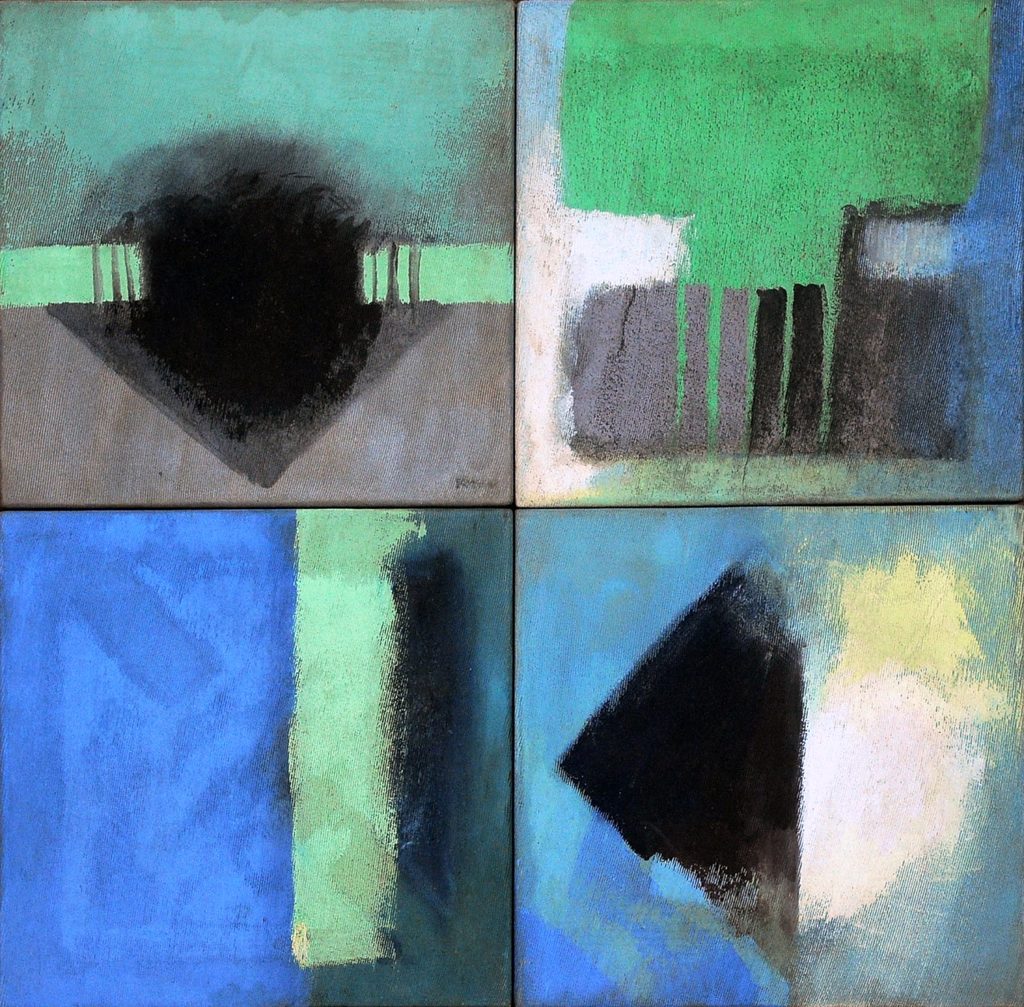
Art is not an impulse purchase in the same way as a T-shirt or a coffee mug. Even when a buyer loves a piece instantly, they still need reassurance. Is the artwork authentic? Is the seller reliable? Will it be packed properly? What happens after payment? Can I trust what I am seeing?
This is one reason Mojarto’s role as a marketplace is important. It gives buyers a structured environment where they can browse, compare and purchase art with more confidence than they might feel on scattered social media pages or informal listings.
For sellers, trust is built through complete information. Dimensions should be clear. Medium should be accurate. Year, surface, framing status and authenticity details should not be vague. The artist profile should feel credible. If the work is part of a series, that context should be included.
When buyers feel they have enough information, the artwork becomes easier to click, save and buy.
Price Presentation Influences Buyer Confidence
One of the biggest questions in online art sales is pricing. A buyer may love a painting, but if the price feels unexplained, they may hesitate. Transparent pricing helps reduce that hesitation.
Price does not have to be the lowest to be attractive. In fact, serious collectors are not always searching for the cheapest artwork. They are searching for value, quality and confidence. The question is not only “Can I afford this?” It is also “Does this price make sense for the artist, medium, size, style and significance?”
This is especially important in an online art marketplace where buyers may compare many artworks side by side. The clearer the listing, the easier it is for the buyer to justify the price.
For artists and galleries, pricing should reflect the work honestly. Underpricing can harm perceived value. Overpricing without context can slow down interest. A click-worthy listing helps the buyer understand why the artwork deserves attention at that price.
Curation Makes Discovery Easier
One challenge of online selling is abundance. Too much choice can confuse buyers. Mojarto’s marketplace format helps by organising artworks into categories, curated collections and searchable themes. This is valuable because many buyers do not begin with a fixed artist name in mind. They may search by mood, medium, subject, style, size or budget.
A collector may want an abstract painting for a modern apartment. Another may look for traditional Indian art for a family home. Someone else may want a sculpture for a corporate space. When artworks are properly categorised, they become easier to discover.
Click-worthy art is not always the loudest or brightest. It is often the artwork that appears in the right place for the right buyer.
That is why sellers should think beyond uploading. They should think about positioning. Which category fits best? Which tags or themes make the work easier to find? What kind of buyer is most likely to connect with it?
This is a key part of artwork presentation on Mojarto, where visual appeal and discoverability need to work together.
The Artist Profile Can Strengthen the Sale
Buyers often click on an artwork first, then check the artist. If the artist profile feels incomplete, the buyer may lose confidence. If it feels thoughtful, the artwork gains weight.
A strong profile does not need to sound inflated. It should simply help the buyer understand who the artist is, what they create and why their work matters. Education, exhibitions, awards, artistic influences, practice, themes and medium preferences can all help.
For emerging artists, the profile is especially important. A buyer may not know the name yet, so the profile becomes the introduction. For established artists, it reinforces credibility and gives collectors a reason to explore more works.
In sales terms, the artwork attracts attention, but the artist profile supports conversion.
Emotional Relevance Makes Art Memorable
People rarely buy art only because it matches the sofa. They buy it because it makes them feel something. Calm. Nostalgia. Pride. Energy. Curiosity. Wonder. A sense of belonging.
In a marketplace like Mojarto, which focuses strongly on Indian art, emotional relevance can come from many places. It may come from cultural memory, city life, mythology, nature, spirituality, abstraction or personal storytelling. A buyer living abroad may connect with Indian landscapes or traditional forms. A young collector may connect with contemporary work that reflects modern identity. A corporate buyer may look for pieces that communicate sophistication and confidence.
The more clearly an artwork communicates its emotional value, the more click-worthy it becomes.
This does not mean every listing should be sentimental. It means the artwork should give buyers a reason to care.
Visual Context Helps Buyers Imagine Ownership
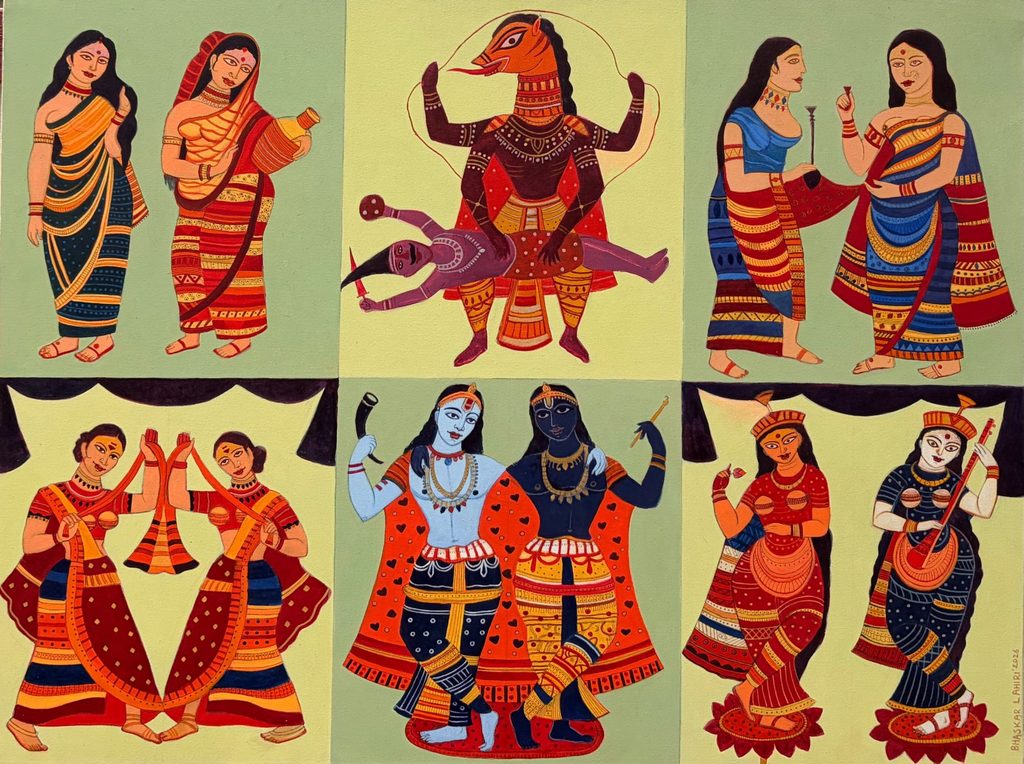
One of the biggest barriers to buying art online is imagination. Buyers may like an artwork but struggle to picture it in a real space. This is where context helps.
Room-view images, scale references and framing suggestions can make the buying decision easier. If a painting is large, buyers need to understand its impact. If it is small, they need to see how it can be styled. If a print suits a reading corner, bedroom or office wall, that use case can be suggested in the description.
This is not about forcing decor ideas onto art. It is about helping buyers visualise ownership.
The easier it is for someone to imagine the piece in their space, the closer they move toward purchase.
What Makes Art Sell Online Is a Mix of Beauty and Clarity
Many artists wonder what makes art sell online. The answer is rarely one thing. A beautiful artwork can remain unnoticed if the image is poor. A well-photographed artwork may still fail if the description is weak. A strong listing may lose buyers if trust signals are missing.
Online art sales depend on a full experience. The artwork must attract the eye, explain its value, build confidence and make the next step feel easy.
On Mojarto, this experience is shaped by the relationship between artist, artwork, platform and buyer. The platform helps create visibility. The listing helps create interest. The artist story helps create connection. The marketplace structure helps create trust.
When all of these work together, the artwork becomes more than visible. It becomes clickable.
The Role of Mojarto in the Buyer Journey
Mojarto is not just a place where artworks are listed. It works as a bridge between Indian artists and people who want to discover, collect and buy art online. For buyers, it offers access to different mediums, styles and price ranges in one place. For artists and sellers, it creates an opportunity to reach audiences beyond local networks.
This matters because online art buying is still a trust-based decision. Many potential buyers are interested in art but unsure where to begin. A marketplace like Mojarto helps them browse in a more organised way, compare options and explore original works from Indian artists.
From a marketing perspective, Mojarto helps reduce friction. It brings discovery, credibility and purchase intent into the same space. A buyer who visits the platform is already closer to making a decision than someone casually seeing art on social media.
That is why click-worthy presentation matters even more. When the right buyer is already browsing, every detail should help them move forward.
Practical Tips to Make an Artwork More Click-Worthy
Artists and sellers can improve online performance by treating each listing like a complete sales page. The artwork is the hero, but the supporting details matter.
Use a clear, high-resolution main image. Add close-ups where texture or detail matters. Write a title that invites interest. Keep descriptions human, specific and useful. Mention the medium, size and surface accurately. Add context about the artist’s inspiration or process. Make sure pricing feels transparent. Keep the artist profile updated. Choose the right category and tags. Think about how the buyer will search, compare and decide.
Most importantly, look at the listing from the buyer’s point of view. Would you click on it? Would you understand it? Would you trust it? Would you remember it after viewing ten other works?
If the answer is yes, the artwork has a better chance of standing out.
Final Thoughts
A click-worthy artwork is not created by chance. It is shaped by presentation, clarity, trust and emotional pull. In an online art marketplace, buyers need more than a good image. They need a reason to stop, a reason to believe and a reason to imagine the artwork in their lives.
Mojarto gives Indian artists, galleries, collectors and buyers a marketplace where art can be discovered with intent. But visibility alone is not enough. The artworks that perform best are the ones that respect the online buyer’s journey.
They look compelling at first glance. They tell a meaningful story. They provide the details buyers need. They feel authentic. They make the decision easier.
That is what makes an artwork click-worthy. Not just beauty on a screen, but beauty presented with purpose.
FAQs
1. What makes an artwork click-worthy on Mojarto?
An artwork becomes click-worthy when it has a strong main image, clear title, useful description, accurate details, fair pricing and a story that helps buyers connect with it emotionally.
2. Why is image quality important in an online art marketplace?
Image quality creates the first impression. Since buyers cannot view the artwork physically, clear and accurate images help them understand colour, texture, form and overall appeal.
3. How do buyers choose artwork online?
Buyers usually consider visual appeal, artist credibility, price, size, medium, authenticity, emotional connection and whether the artwork suits their personal space or collection.
4. Can artists sell better by improving artwork descriptions?
Yes. A good description helps buyers understand the inspiration, process and value behind the piece. It can make the artwork feel more meaningful and easier to purchase.
5. Why should buyers use Mojarto to buy original paintings online?
Mojarto helps buyers explore original Indian art across styles, mediums and artists in one marketplace, making discovery, comparison and purchase more convenient.