
In a world flooded with fast trends, viral aesthetics, and algorithm-driven taste, something quietly powerful is happening in the art market. Serious collectors are stepping back from what is popular and leaning into what is real. The conversation is shifting. Instead of asking “Is this in style?” buyers are asking “Is this honest?” This shift marks a defining moment for authenticity in art collecting.
For collectors today, especially those who see art as cultural capital rather than décor, artistic authenticity has become the true measure of value. It is not about loud colours or fashionable formats anymore. It is about intent, origin, and the human story behind the work. Platforms like Mojarto are witnessing this evolution firsthand as collectors move toward artworks that carry emotional depth, heritage, and creative truth.
The Changing Psychology of the Art Collector
For decades, popular styles dominated buying decisions. Minimalism had its moment. Abstract colour fields surged. Digital aesthetics became fashionable. Yet trends move fast, and when they fade, collectors are often left with pieces that feel disconnected from their original excitement.
Modern collectors are more informed and introspective. Many have lived through multiple trend cycles and now understand that market hype does not always translate into lasting significance. This awareness is driving art collectors to value authenticity over surface-level appeal.
Authentic artworks offer something trends cannot. They provide emotional continuity. They reflect lived experiences, cultural memory, and individual expression. Collectors increasingly want art that resonates beyond visual pleasure and becomes part of a longer personal and cultural narrative.
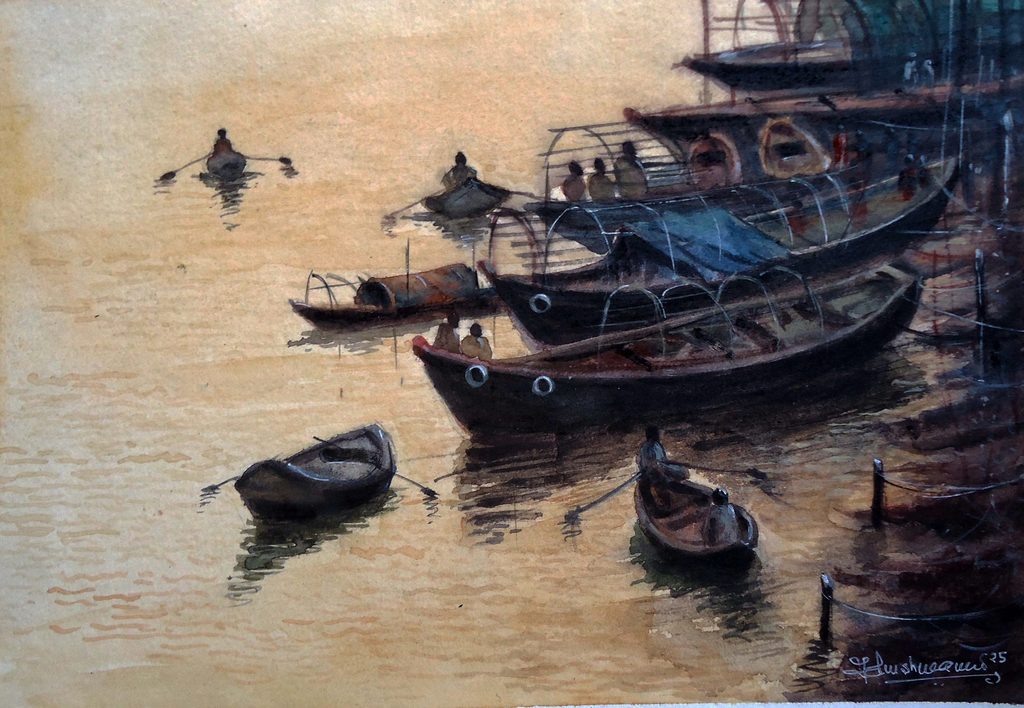
What Artistic Authenticity Really Means Today
Artistic authenticity is often misunderstood as tradition or old techniques. In reality, it is about truthfulness. An authentic artwork stays faithful to the artist’s voice, context, and intention. It does not chase validation or mass appeal.
In the Indian art ecosystem, authenticity carries even deeper meaning. From tribal and folk traditions to contemporary practices rooted in social realities, Indian artists often create from lived experience rather than market demand. Collectors recognise this sincerity and respond to it.
Authenticity in art collecting is not limited to age or medium. A contemporary artwork can be deeply authentic if it reflects the artist’s genuine perspective. What matters is that the work stands on conviction, not imitation.
Why Popular Styles Are Losing Their Hold
Popular styles rely on repetition. Once a certain look gains attention, it spreads rapidly through galleries, fairs, and online platforms. While this visibility can benefit artists temporarily, it often leads to saturation.
Collectors are becoming cautious of this cycle. Many have seen how trend driven purchases lose emotional relevance over time. A style that felt exciting five years ago may now feel generic. Authentic works, however, tend to age with dignity.
This realization has made buyers more selective. They look beyond the surface and evaluate whether an artwork can hold meaning even when trends shift. This mindset is shaping long term collecting behavior and influencing how value is perceived.
The Role of Cultural Rootedness in Authentic Art
One of the strongest drivers behind this shift is cultural grounding. Collectors are increasingly drawn to works that reflect heritage, identity, and place. Indian art, with its layered histories and regional expressions, offers a rich ground for authenticity.
When a collector acquires an artwork rooted in Indian folk traditions or contemporary narratives shaped by local realities, they are not just buying art. They are preserving stories. These works become cultural artifacts that carry relevance beyond personal ownership.
This is also why buyers are paying closer attention to provenance, artist background, and creative intent. The story behind the artwork now matters as much as the artwork itself.
Authenticity as a Marker of Long Term Value
From a sales and market perspective, authenticity has emerged as a powerful value indicator. While trends may drive short term demand, authentic works tend to hold and often grow in significance over time.
Collectors who invest with authenticity in mind are building collections with depth rather than volume. These collections often age better, both culturally and financially. As the market matures, such works stand out in exhibitions, discussions, and serious collections.
This pattern aligns with broader Art market authenticity trends where buyers seek credibility, transparency, and artistic integrity. Authenticity creates trust, and trust drives long term engagement.
The Emotional Economy of Authentic Art
Art buying has always been emotional, but the nature of that emotion is evolving. Instead of excitement driven by novelty, collectors are seeking connection. Authentic artworks invite contemplation. They ask viewers to slow down and engage.
Many collectors describe a sense of responsibility when acquiring authentic art. They feel they are supporting an artist’s journey rather than participating in a market moment. This emotional investment strengthens loyalty to artists and platforms that prioritise authenticity.
Mojarto’s ecosystem reflects this emotional economy. Collectors browsing with intent often gravitate toward works that feel personal, rooted, and honest rather than flashy or formulaic.
Why Authenticity Builds Stronger Collector Trust
Trust is currency in the art world. Collectors want assurance that what they acquire has integrity. Authenticity provides that assurance. When an artwork carries a clear artistic voice and cultural context, it reduces doubt and increases confidence.
This trust extends to platforms as well. Marketplaces that curate with authenticity at the core attract discerning collectors who value quality over quantity. Over time, this creates a loyal audience that returns not for trends, but for meaningful discovery.
The New Status Symbol in Art Collecting
Interestingly, authenticity itself has become a status marker. Owning a rare or deeply personal artwork now signals discernment rather than spending power. Collectors are proud to explain why a piece matters, not just where it was seen.
In conversations among collectors, the narrative has shifted. The focus is no longer on popularity or price alone. It is on story, process, and cultural relevance. This change reflects a more mature and thoughtful collecting culture.
What This Means for the Future of the Art Market
As more collectors prioritise authenticity, the market will continue to evolve. Artists who stay true to their voice will find sustained support. Collectors will build deeper relationships with art rather than rotating through trends.
For platforms like Mojarto, this shift reinforces the importance of thoughtful curation and storytelling. By presenting artworks within their cultural and creative context, the platform aligns with the values of modern collectors.
Authenticity in art collecting is not a passing preference. It is a response to an overstimulated world. In choosing authenticity, collectors are choosing meaning, continuity, and connection.
Final Thoughts
The move away from popular styles toward artistic authenticity reflects a deeper change in how people relate to art. Collectors are no longer content with what looks good now. They want what will matter later.
Art collectors valuing authenticity are shaping a market that rewards honesty, heritage, and individual expression. This shift benefits artists, collectors, and the cultural ecosystem as a whole.
In the years ahead, the most valued collections will not be the most fashionable ones. They will be the ones built with intention, respect, and a genuine appreciation for authentic artistic voices.