
An art fair can feel overwhelming within the first ten minutes.
Every booth seems to compete for your attention. Paintings cover the walls, sculptures stand in open spaces, collectors move quickly between galleries, and conversations appear to begin in the middle. You may find an artwork you love, yet hesitate because you do not know what to ask or whether you should make a decision on the spot.
The good news is that collecting at an art fair is not reserved for experts. You do not need an art history degree or years of market experience. You need curiosity, a realistic budget and a willingness to look carefully.
Learning how to buy art at an art fair is less about memorising complicated rules and more about knowing how to slow down in a fast environment. The strongest purchase is rarely the first artwork that catches your eye. It is the work that still interests you after you have compared, questioned and thought about it.
For Indian collectors, art fairs provide access to galleries, emerging artists, established names and different artistic practices in one place. They also offer a useful education. Even when you do not buy during your first visit, you begin learning how artists develop ideas, how galleries present work and what kind of art genuinely holds your attention.
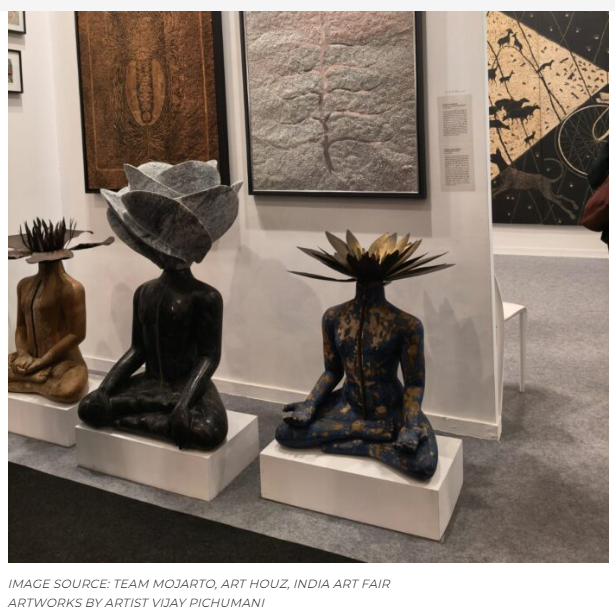
Prepare Before You Enter the Fair
A little preparation can prevent visual fatigue and impulsive spending.
Start by reviewing the fair’s exhibitor list, floor plan and programme. Identify a few galleries or sections you want to visit, but leave enough time for unexpected discoveries. India Art Fair and other major fairs publish exhibitor and programme information before the event, helping visitors plan their route and understand what will be presented.
Next, decide what you hope to learn or find.
You may be interested in contemporary Indian paintings, Indian folk art, printmaking, photography, sculpture or works by emerging artists. A loose focus makes a large fair easier to navigate. It does not lock you into one category. It simply gives your visit a useful starting point.
Set a total budget before entering. This should be an amount you can spend comfortably, without depending on future appreciation or outside approval to justify the purchase.
Your budget should account for the complete amount payable, not merely the displayed artwork price. Ask whether taxes, packing, shipping or other applicable charges are included. Clear financial boundaries make it easier to walk away when a work moves beyond what feels reasonable.
A practical art fair buying guide for beginners should also include one simple rule: attend the fair once without trying to impress anyone. You are there to look, learn and ask questions. Experienced gallery teams do not expect every visitor to be an established collector.
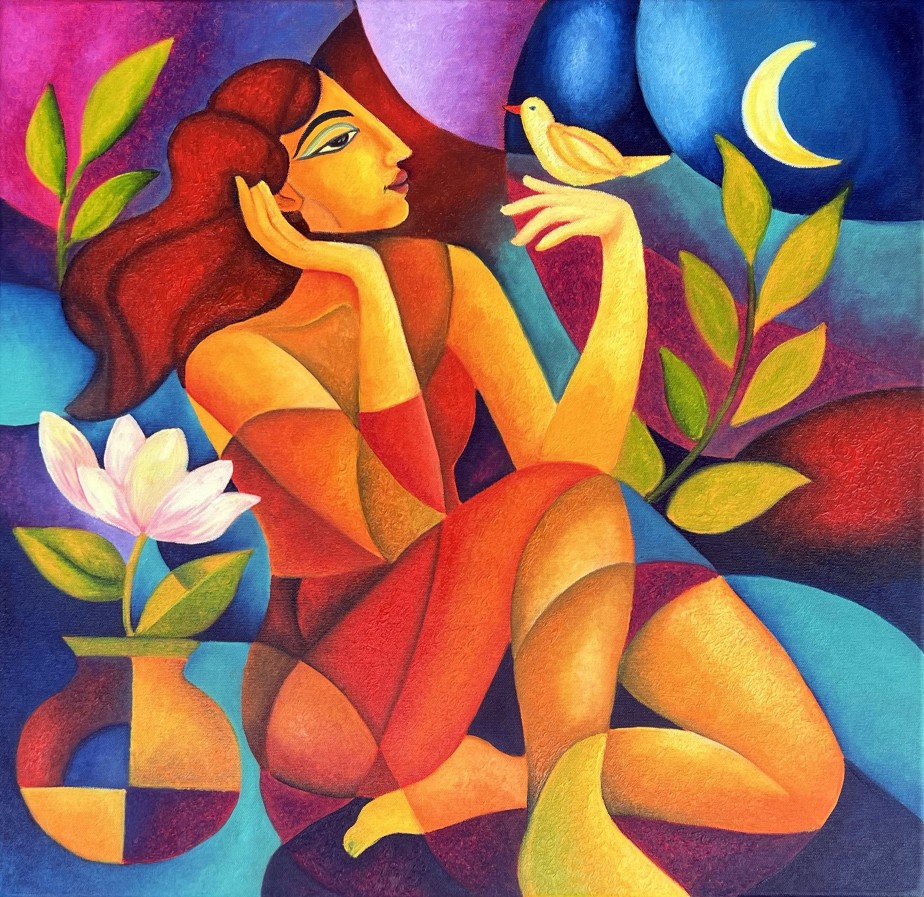
Walk Through Once Before Making a Decision
The first artwork you love may be the right one, but you cannot know that until you have seen more of the fair.
Take an initial walk through the booths without trying to examine every piece. Notice which works make you stop. Record the booth number, gallery name, artist and artwork title. Ask permission before taking photographs, since policies may differ between exhibitors.
Do not rely entirely on your phone gallery. Write a brief note about what caught your attention. Was it the colour, subject, technique or idea? Did the work remind you of something personal? Notes help when several artworks begin blending together after a few hours.
Return to your shortlist later. A work that still feels powerful on a second viewing deserves closer consideration. Another may lose its effect once the excitement of discovery passes.
This second-look method is one of the most useful tips for buying art in India, particularly at crowded fairs. It protects you from making a decision simply because a booth feels busy or another visitor appears interested.
Scarcity can create pressure. You may hear that a work is receiving attention or that only one piece from a series remains available. That information may be accurate, but it should not replace your judgement.
A serious purchase should survive a short pause.
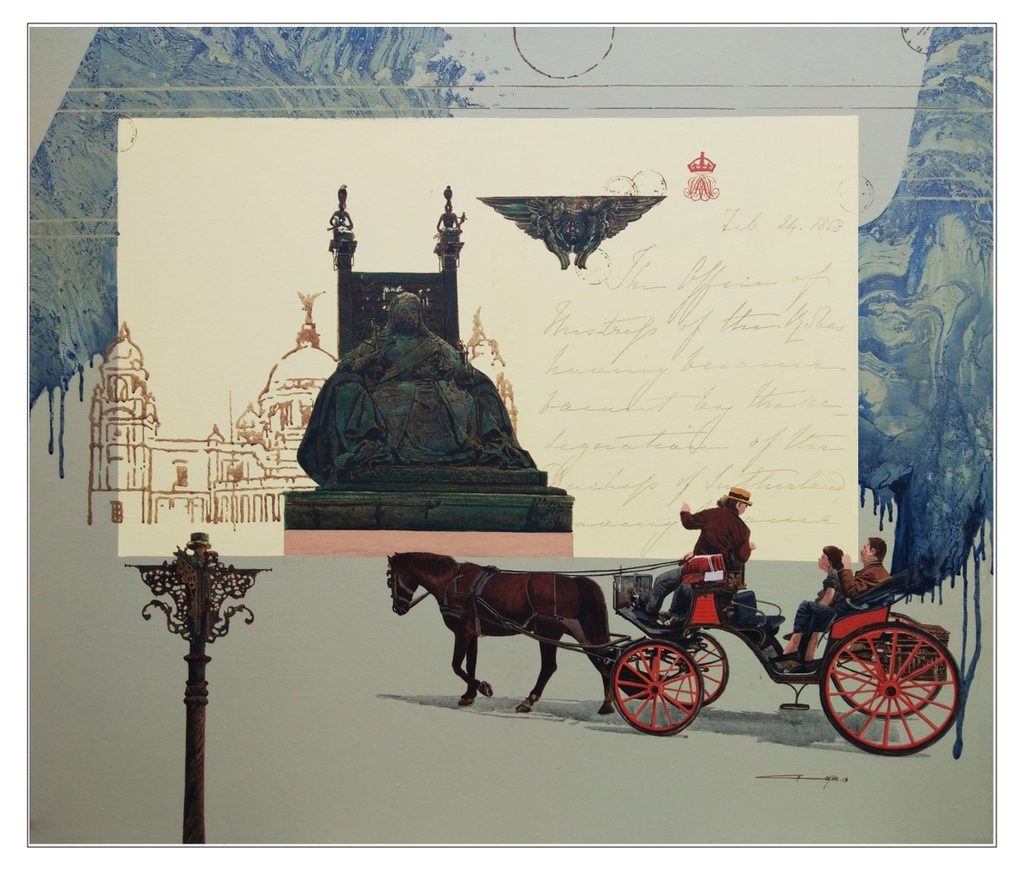
How to Evaluate Art at an Art Fair
Knowing how to evaluate art at an art fair begins with separating personal response from basic research. You need both.
Start with the artwork itself. Look closely at the composition, technique and use of material. Does the artist appear to have control over the medium? Is there a clear visual idea, or does the work depend mainly on a fashionable style?
Then step back. Does the artwork continue to hold your attention from a distance? Does your eye move through the composition naturally? Is there something you notice on the second or third viewing that was not obvious at first?
After looking, learn about the artist.
Ask whether the work belongs to a series and how that series fits into the artist’s wider practice. Look at other pieces by the same artist. One striking work may be impressive, but a broader portfolio shows whether the artist has developed a coherent voice.
Check the essential artwork details:
- Artist’s full name
- Artwork title
- Year of creation
- Medium and surface
- Dimensions
- Whether it is unique or part of an edition
- Edition number, where applicable
- Available provenance or exhibition history
- Documentation provided with the work
For a limited-edition print or photograph, ask about the edition size and whether artist’s proofs exist. For a painting or drawing, confirm that the work is original. For a sculpture, ask about the material, casting process and edition where relevant.
Condition also matters. Look carefully and ask the gallery whether there are any condition issues or previous restoration details that a buyer should know.
You are not trying to turn the conversation into an interrogation. You are making sure the emotional connection is supported by clear information.
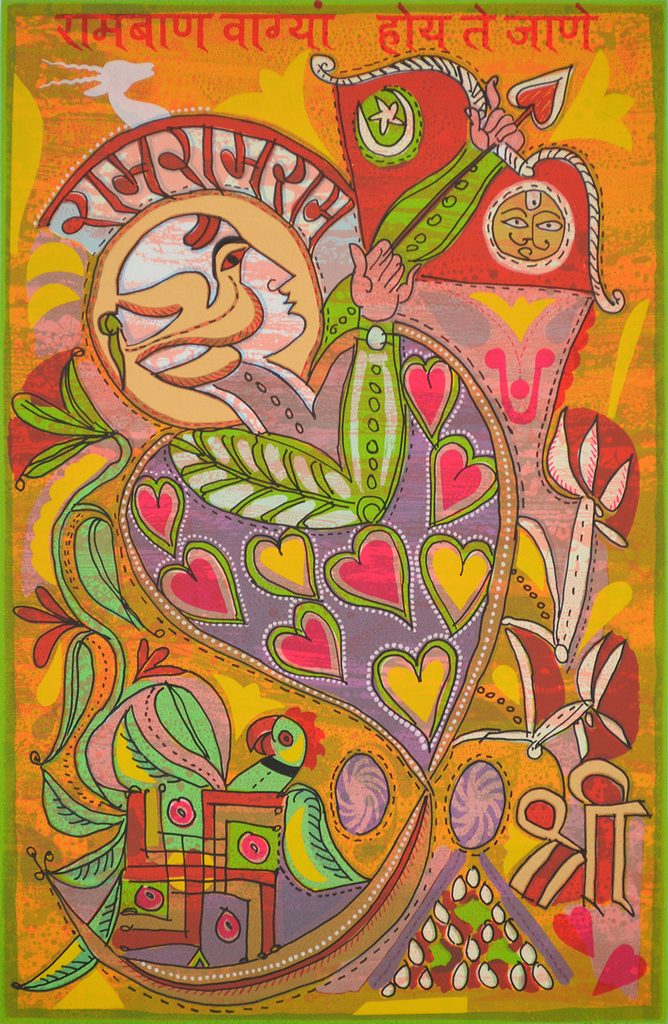
Questions to Ask Artists and Galleries
Good questions are not embarrassing. They signal that you are paying attention.
Artists may be present at some booths, talks or special programmes, while gallery representatives handle many fair conversations. The most useful questions to ask artists at art fairs are open enough to reveal how the artist thinks.
You might ask:
- What inspired this body of work?
- How does this piece connect to the artist’s wider practice?
- Why was this particular medium chosen?
- Is the work part of a continuing series?
- How has the artist’s work changed in recent years?
- Has the work or series been exhibited previously?
- What documentation accompanies the artwork?
- What is included in the quoted price?
- Is the work unique or part of an edition?
- Are other works by the artist available to view?
Art Basel’s guidance for new fair collectors similarly recommends researching in advance, speaking with gallery teams and asking direct questions before making a first purchase.
Pay attention to the quality of the answers. A credible gallery representative should be able to discuss the artist’s practice, explain the work and provide basic documentation without creating unnecessary pressure.
You should also be honest about your own position. Saying that you are a new collector can lead to a more useful conversation. It gives the gallery a chance to explain the artist and process without assuming prior knowledge.
Understand Price Without Chasing Hype
Art fair pricing can feel mysterious because two works of similar dimensions may have very different prices.
The amount can be influenced by the artist’s career stage, medium, rarity, exhibition record, demand, gallery representation and significance of the particular work. A larger artwork is not automatically more important, and a higher price does not automatically indicate better artistic quality.
Ask why the work is priced at that level. You are not challenging the artist’s value. You are seeking context.
Compare the piece with other works by the same artist. Is the price consistent with similar works in the booth? Does the gallery represent the artist regularly? Is the work typical of the artist’s recognised practice, or is it an unusual experiment?
Avoid treating an art fair like a competition to find the next famous artist. Buying solely because someone predicts rising value can lead to a collection with no personal direction.
Buy because the work is convincing, the information is clear, and the price suits your budget. Recognition may grow, remain stable or change, but you should still want the artwork even when market conversation becomes quiet.
India Art Fair’s guidance for first-time buyers also encourages collectors to explore work across different budget levels and to focus on discovering artists rather than assuming collecting begins only with highly priced pieces.
Give Yourself Permission to Walk Away
Not every strong response needs to become a purchase.
Sometimes you love a work but cannot understand the pricing. Sometimes the gallery cannot provide enough information. Sometimes the artwork fits your taste but not your current budget. Walking away in these situations is not a missed opportunity. It is a sign of discipline.
Ask whether the gallery can share the artist’s information or show you related work after the fair. Keep a list of artists you want to follow. Your first conversation may become the beginning of a longer collecting relationship.
You can also use the fair to clarify what you do not want. Perhaps you thought you preferred large abstract paintings but repeatedly stopped at small figurative drawings. Maybe you arrived looking for contemporary work and became absorbed in Indian folk art.
That information is valuable. A fair compresses months of browsing into a single visit and helps you recognise patterns in your own taste.
The goal is not to leave carrying something. The goal is to leave understanding more than you did when you arrived.
Continue Your Research with Mojarto
An art fair visit does not need to end when you leave the venue.
Once you have identified artists, styles or mediums that interest you, continue comparing work online. Look through artist portfolios, read available profiles and revisit the visual ideas that stayed with you.
Collectors who want to buy original Indian art online can explore Mojarto’s selection of paintings, drawings, printmaking, photography, sculpture and Indian folk art. The platform features works by emerging artists as well as established Indian names, allowing buyers to compare artistic practices at their own pace.
This is useful after a busy fair, when you may want time to understand whether you were drawn to one individual work or to an artist’s larger practice.
Mojarto can also help new collectors learn how styles and prices vary across mediums. You may discover an artist online whose work relates to something you saw at the fair, or find a different piece that connects with you more strongly.
The offline and online experiences can support each other. An art fair trains your eye through direct encounters. Online exploration gives you time to compare without the energy and urgency of a crowded venue.
Buy with Curiosity and Confidence
Learning how to buy art at an art fair is really about learning how to trust your response without abandoning careful judgement.
Prepare before the visit, but remain open to surprise. Walk through the fair once before creating a shortlist. Return to the works that stay in your mind. Ask about the artist, medium, series, condition, documentation and full price. Decide how much you can spend before emotion begins negotiating with your budget.
Most importantly, do not buy to prove that you belong in the art world.
You already belong there because you are looking, asking and learning.
A meaningful collection is not built through one dramatic purchase. It develops as your eye becomes sharper and your reasons become more personal. The first artwork should not mark the end of your search. It should make you more curious about what artists are creating across India.
An art fair gives you the thrill of discovery. Mojarto helps you continue that discovery, compare original Indian art and find work that speaks to you long after the fair closes.
Frequently Asked Questions
1. How should a beginner prepare for an art fair?
Review the exhibitor list and fair map, identify a few galleries or art categories to explore and set a comfortable total budget. Carry a phone or notebook to record the artists and booth numbers you want to revisit.
2. What should I ask before buying an artwork?
Ask about the artist, medium, year, dimensions, series, condition, provenance and available documentation. You should also confirm whether the quoted price includes applicable taxes and other stated charges.
3. Is it acceptable to negotiate at an art fair?
You can politely ask the gallery whether the stated price is final. Avoid aggressive bargaining, particularly when speaking directly with an artist. The gallery can explain whether any flexibility is available.
4. How do I know whether an artwork is original?
Request clear information about the medium and whether the piece is unique or part of an edition. For editioned works, confirm the edition number and total edition size. Review the documentation supplied with the artwork.
5. Where can I continue exploring Indian art after a fair?
Mojarto allows collectors to browse original paintings, drawings, printmaking, photography, sculpture and Indian folk art online. You can compare artists and works at your own pace before making a considered choice.