
If you go into a place that really moves you, the walls are probably doing more than just holding up the ceiling. They’re speaking through colour, texture, sculpture, light. They’re telling a story only art and design, together, can tell.
In today’s evolving design landscape, the most memorable interiors are born from collaboration. Not a quick conversation about which painting suits the sofa, but a deep dialogue between artists and interior designers, a shared vision that shapes the soul of a space.
For homeowners seeking individuality and hospitality brands pursuing character, these interior design art collaboration ideas are redefining how spaces are imagined and remembered.
Where Art Becomes an Integrated Design Element
Art has stepped out of the gallery and into architecture itself. What was once an afterthought is now part of the blueprint, an art as integrated design element approach that turns a structure into an experience.
When artists and designers work together from the start, the possibilities expand beyond what a single discipline could achieve. A mural may inform the lighting plan; a sculpture might influence furniture placement; even wall textures can emerge from the artist’s palette.
The beauty lies in how these worlds meet: design lends structure, and art breathes life into it. The result isn’t just visual harmony; it’s emotional coherence.
For a homeowner, it’s about creating a space that feels deeply personal. For a hotelier, it’s about crafting a guest experience that lingers long after checkout.
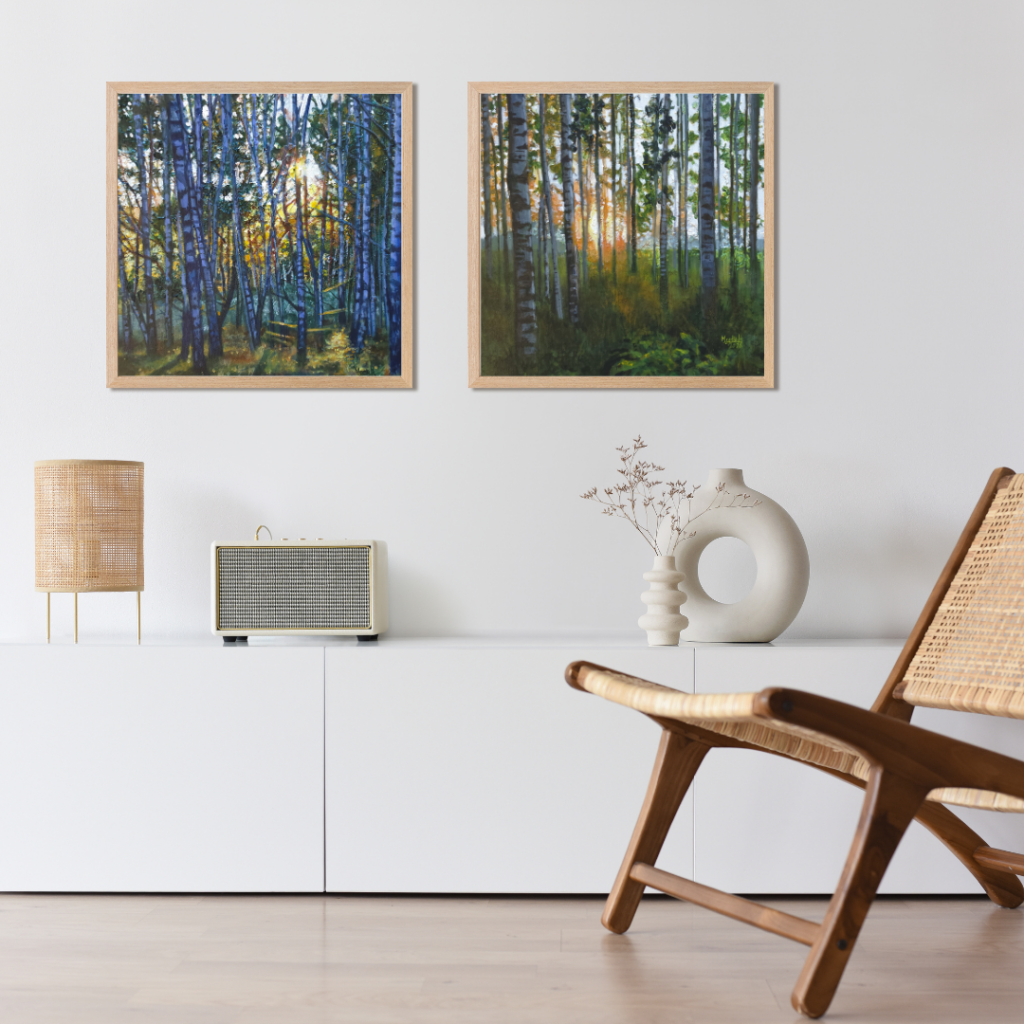
How Designers Work With Artists
The best collaborations unfold like conversations. They begin not with a shopping list of artworks, but with an idea, a mood, a story. Here’s how the process often flows:
- A shared vision takes shape
The designer sets the tone: spatial requirements, materials, brand mood. The artist listens, sketches, and reimagines. Together, they explore how colour, form, and material can reflect that vision. This is where intent takes over aesthetics.
- From concept to composition
As ideas mature, they move beyond mood boards. Art and design begin to trade places; the art influences the architecture, and vice versa. This is also when art placement and circulation planning become critical. Where does the eye travel? What emotion should each space evoke?
- Making it real
When construction and curation begin, coordination is key. Lighting consultants, fabricators, and artists work alongside design teams. Every texture, hue, and finish supports the art rather than competes with it.
- Telling the story
Once installed, the art becomes a narrative device. Here, spatial storytelling with art plays its part — guiding visitors through emotion and discovery. The artwork doesn’t decorate the room; it defines its rhythm.
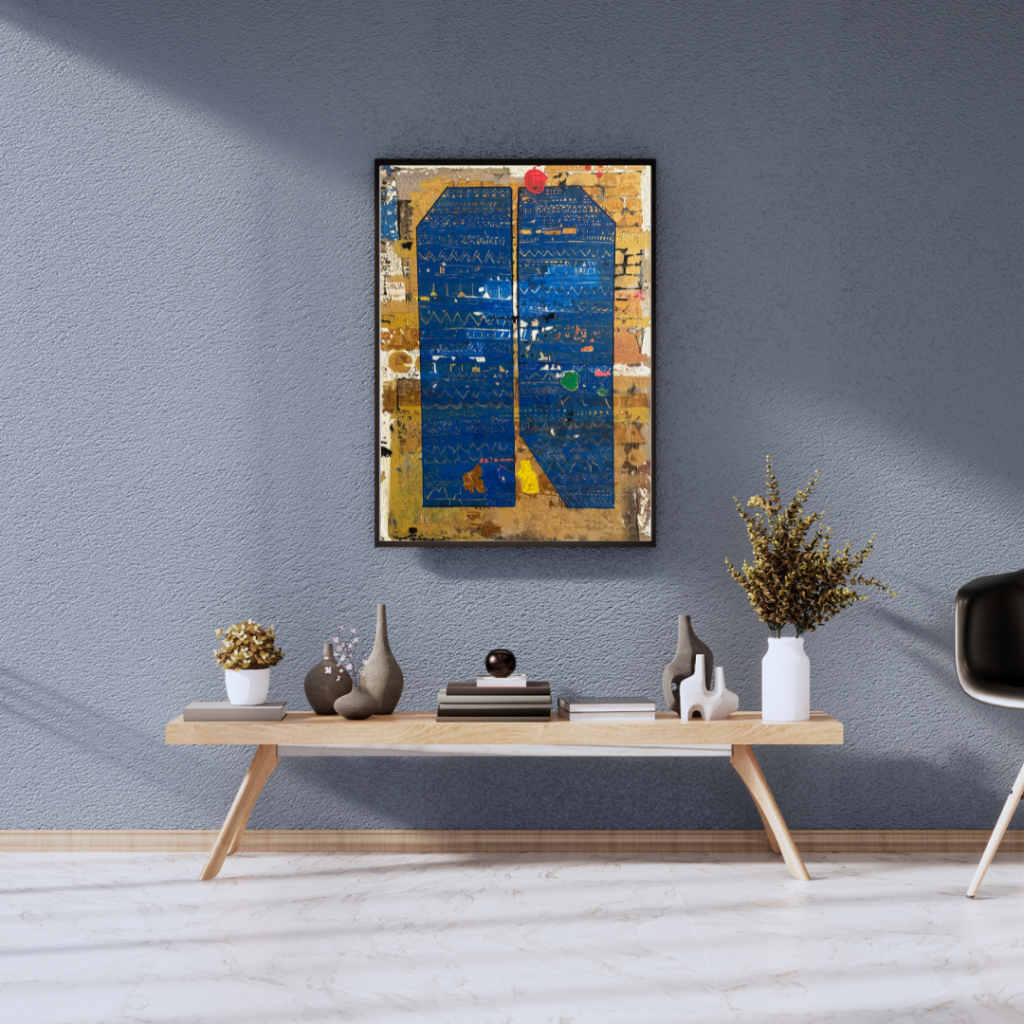
Art Integration in Residential Interiors
A home designed with art at its heart feels very different from one where paintings are simply hung.
Imagine walking into a living room where a textured wall painting blends into architectural panels, or a dining space where ceramic reliefs echo natural light. These details transform function into feeling.
For many homeowners, art integration in residential interiors is about reflecting who they are. It’s not about status or collection size; it’s about resonance.
Designers are now developing gallery wall strategies for designers that let residents curate evolving stories. Stairways become art trails, hallways become narrative corridors, and personal moments become part of the architecture.
The emotional payoff? Spaces that feel timeless, where every corner has intention, and every piece has meaning.
Art Curation for Hospitality Design
In hospitality, art is no longer mere decoration. It’s brand DNA. A thoughtfully curated hotel doesn’t just look beautiful; it feels distinct.
Through art curation for hospitality design, hoteliers are discovering how local art can anchor global identities. A boutique hotel in Jaipur may collaborate with local textile artists to reinterpret block prints into wall installations. A coastal resort in Kerala might integrate sculptures inspired by the tides into its landscape.
These collaborations bring cultural depth and authenticity, qualities that guests instantly sense but can’t always name. They also strengthen brand storytelling. When guests remember your space, they’re not recalling the bed or the buffet; they’re remembering how it felt.
From a business standpoint, this emotional connection translates into return visits, stronger reviews, and higher perceived value.
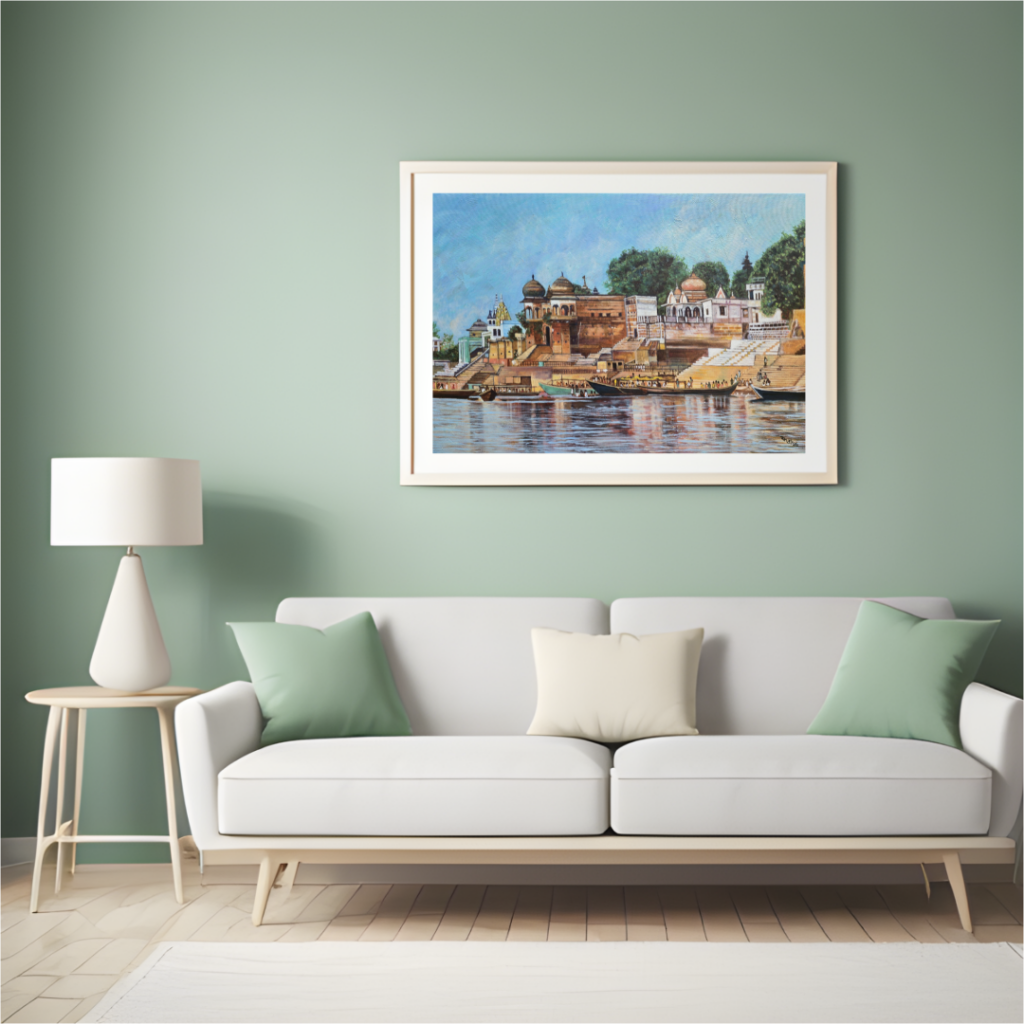
Practical Notes for Collaborators
While every collaboration is unique, a few insights hold true across projects:
- Invite the artist early: When artists are part of the design concept, their input can influence proportion, colour palette, and even lighting logic.
- Share visual language: Swapping sketches, textures, and lighting references helps ensure art and architecture evolve together.
- Keep brand and narrative central: Especially in hospitality, each artwork should echo the story the brand wants to tell. This coherence is what makes an environment immersive.
- Balance permanence and change: Art should complement the structure while leaving room for evolution — a space can feel dynamic without constant overhaul.
- Integrate storytelling in presentation: How you talk about the art matters as much as where you place it. Thoughtful spatial storytelling with art enriches the visitor’s emotional memory of the space.
Mojarto — Where Art Finds Its Space
At Mojarto, we’ve watched this evolution unfold across India’s design scene. More homeowners, architects, and hospitality brands are reaching out not just for art, but for collaboration.
Our platform connects creators with spaces that deserve originality — from bespoke installations for boutique hotels to curated collections for private residences. Each partnership is an exploration of ideas, textures, and narratives that transform everyday spaces into personal experiences.
What we champion isn’t just art for interiors, but art that belongs — to the architecture, to the people who inhabit it, and to the story each space tells.
The Future of Interior Design Art Collaboration Ideas
The coming years will see art and design merge even more seamlessly. Digital installations, kinetic sculptures, and new-age materials will give rise to immersive environments where creativity shapes spatial perception itself.
But technology aside, what truly defines this movement is intent — the human desire to connect with beauty, memory, and meaning.
Whether it’s a private home or a boutique hotel, integrating art into design is no longer optional. It’s the difference between a space that’s seen and a space that’s felt.
At Mojarto, we believe this is the essence of modern living — where every collaboration between an artist and a designer becomes a celebration of imagination made tangible.