
There is a certain energy in Indian cities that cannot be captured through statistics alone. You feel it in the rush of traffic, in the glow of streetlights after rain, in the quiet resilience of people navigating crowded spaces every day. Artists have always tried to make sense of this movement. Today, as cities expand faster than ever, that urge has taken on a new urgency. What we now see emerging is a rich and evolving language of Urban India art that speaks not just of buildings and roads, but of transformation, identity, and memory.
At Mojarto, this shift is not just observed, it is curated, celebrated, and brought closer to collectors who understand that art is one of the most honest ways to witness change.
The Pulse of the Modern Indian City
Urban India is no longer a backdrop. It has become the protagonist. Cities like Mumbai, Delhi, Bengaluru, and Kolkata are constantly reshaping themselves. Old neighbourhoods make way for glass towers, flyovers stretch across once quiet areas, and digital life blends with street culture in ways that feel both chaotic and beautiful.
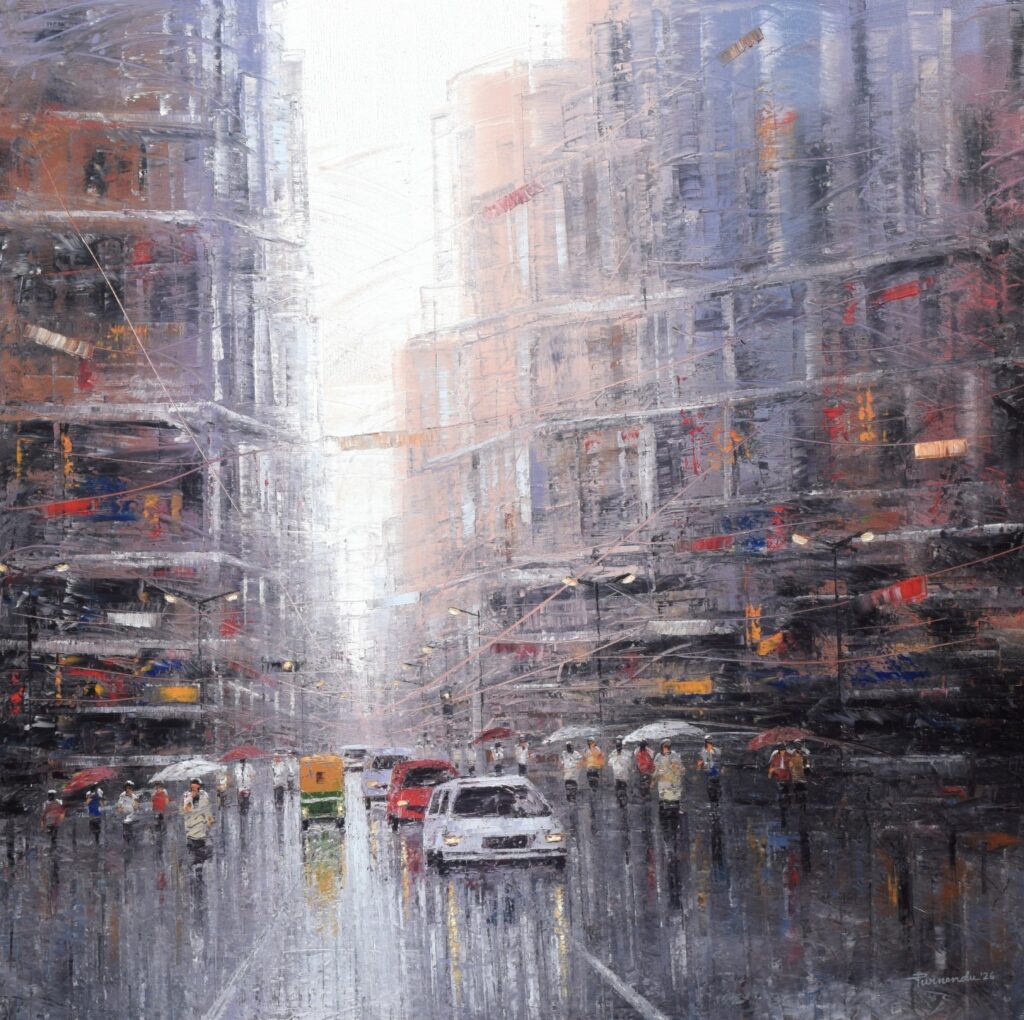
Artists working in contemporary urban India art are not trying to freeze these changes. Instead, they are engaging with them. Some focus on crowded intersections and blurred human forms, while others capture fleeting stillness in early morning streets. What binds these works together is a deep attention to lived experience.
For collectors and art enthusiasts, this creates a powerful opportunity. Owning such a piece is not just about aesthetics. It is about holding a fragment of a city in transition.
Why Urban India Art Resonates Today
There is a reason why Urban India art has gained such strong attention in recent years. It reflects a reality that millions relate to.
- Rapid migration to cities
- Changing lifestyles and aspirations
- The contrast between tradition and modernity
- The emotional complexity of urban living
These themes are not abstract. They are personal. When an artist paints a crowded local train or a quiet tea stall tucked between skyscrapers, viewers see something familiar. That familiarity builds connection.
From a buyer’s perspective, this connection translates into lasting value. Art that resonates emotionally tends to remain relevant, both culturally and commercially.
The Rise of Indian Cityscape Painting
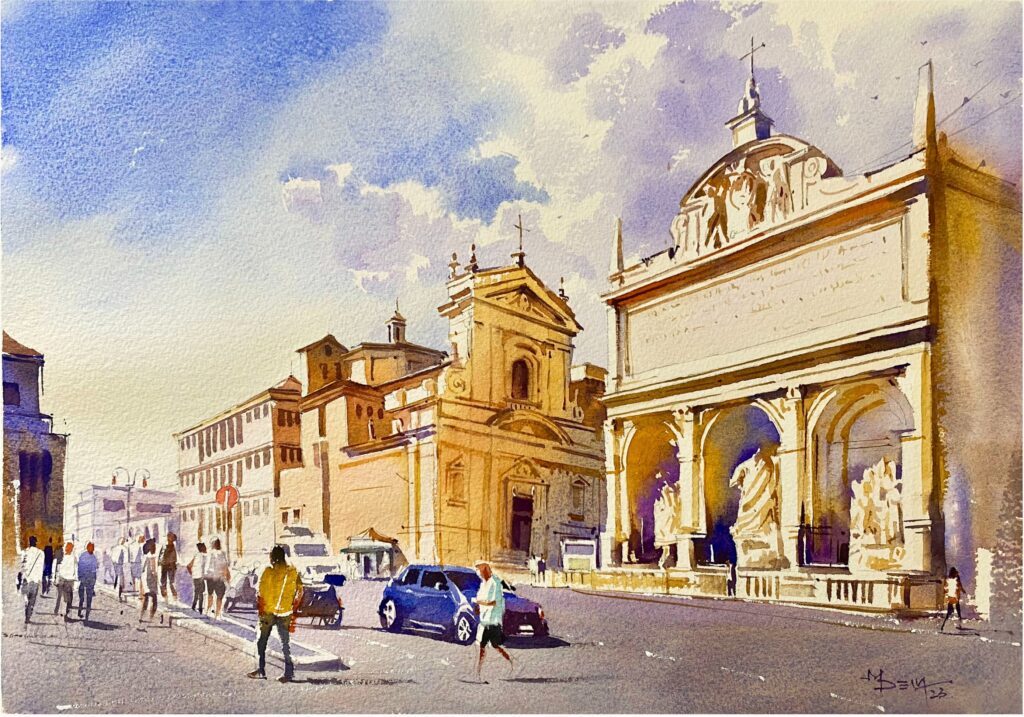
One of the most compelling developments in this space is the evolution of Indian cityscape painting. Traditionally, cityscapes were about perspective and architecture. Today, they have become layered narratives.
Modern Indian cityscape artists experiment with:
- Distorted perspectives that mirror the pace of city life
- Bold colour palettes that reflect heat, dust, neon lights, and pollution
- Mixed media techniques that incorporate textures of the city itself
- Fragmented compositions that echo the disjointed rhythm of urban growth
These works often feel alive. A painting might show a skyline, but look closer and you will find stories hidden in windows, streets, and shadows.
For collectors browsing Mojarto, these artworks offer both visual appeal and narrative depth. They do not just decorate a space. They start conversations.
Visual Storytelling India: Beyond the Surface
The idea of Visual Storytelling India is central to understanding why urban-themed art is so impactful. Every painting becomes a document of time, a record of how cities look, feel, and evolve.
Consider how an artist might approach a simple subject like a roadside vendor. In one frame, you may see economic struggle. In another, resilience. In yet another, the warmth of everyday human interaction.
Urban artists are not simply observers. They are interpreters.
Their work often explores:
- The invisible lives behind visible spaces
- The tension between development and displacement
- The coexistence of heritage and hyper-modernity
- The emotional weight of anonymity in crowded cities
This layered storytelling is what makes urban art particularly attractive for serious collectors. It offers more than surface beauty. It invites reflection.
Capturing Urban Transformation in India Through Art
One of the most compelling aspects of modern urban art is how it documents Urban transformation in India. Cities are changing at a pace that few generations have witnessed before. Entire neighbourhoods are reimagined within a decade.
Artists respond to this transformation in deeply personal ways.
Some highlight loss. Old homes, fading signage, disappearing cultural markers.
Others celebrate progress. Clean lines, new infrastructure, a sense of forward motion.
Many sit somewhere in between, acknowledging both gain and grief.
For buyers, this duality adds depth. It allows you to own a piece that reflects not just where a city is, but where it is headed.
City Life India Art: The Human Element
At the heart of every city is its people. That is why City life India art remains one of the most engaging categories within urban art.
These works focus on:
- Daily commutes
- Market scenes
- Street interactions
- Moments of solitude in public spaces
What makes them powerful is their relatability. Even viewers who have never visited a particular city can connect with the emotions portrayed.
From a design perspective, such artworks also fit beautifully into modern interiors. They add warmth, movement, and a sense of narrative to living and working spaces.
Mojarto’s curated selection ensures that collectors can find pieces that align with both their aesthetic preferences and their emotional sensibilities.
The Collector’s Perspective: Why Invest in Urban Art
From a sales and marketing standpoint, urban-themed art presents a strong case for investment.
1. Cultural relevance
Urban art reflects contemporary realities. This keeps it aligned with current conversations and future historical interest.
2. Emotional connection
Buyers are drawn to art that feels personal. Urban scenes often mirror lived experiences.
3. Versatility
These artworks work across different spaces, from homes to offices to galleries.
4. Emerging artist potential
Many artists exploring Contemporary Indian urban art are still early in their careers. Investing now can offer long-term value.
5. Story-driven appeal
Art with a narrative tends to hold attention and appreciation over time.
At Mojarto, the focus is not just on selling art. It is about guiding collectors toward pieces that hold meaning and potential.
Styles and Media Defining Urban Indian Art
The diversity within Urban Indian art is striking. There is no single way to represent a city. Each artist brings a unique lens.
Some popular approaches include:
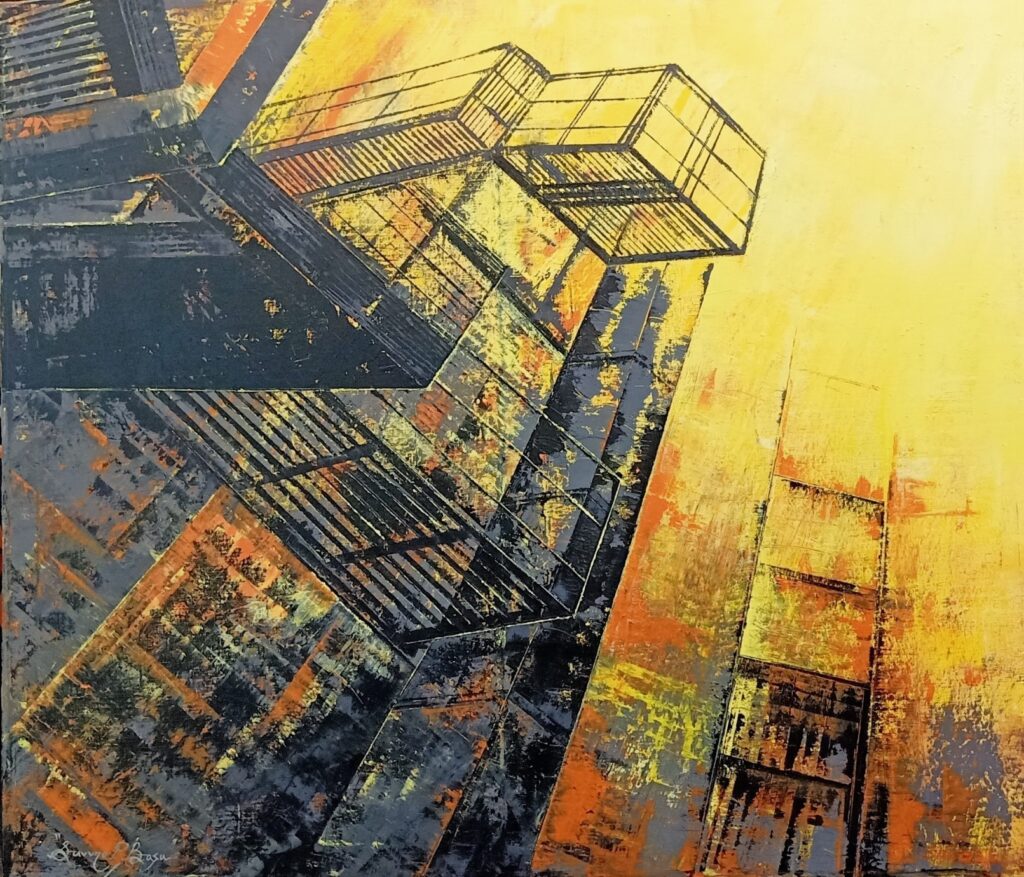
Expressionist interpretations: Loose brushwork and exaggerated forms capture emotion over accuracy.
Photorealistic cityscapes: Highly detailed works that document specific locations.
Abstract urban compositions: Shapes, colours, and textures evoke the feeling of a city rather than its exact appearance.
Mixed media explorations: Incorporating materials like newspaper, fabric, or digital elements to reflect urban layers.
This variety ensures that collectors can find something that resonates with their personal taste.
The Role of Digital Influence
Urban life today is deeply intertwined with technology. Artists are responding to this shift in interesting ways.
Some incorporate digital aesthetics into traditional media. Others create hybrid works that exist both physically and digitally.
This intersection has expanded the reach of Visual Storytelling India, making it accessible to a global audience.
For Mojarto, this means connecting Indian artists with collectors across borders, while still preserving the authenticity of each work.
How Mojarto Bridges Art and Audience
In a fast-moving art market, curation matters. Mojarto plays a key role in bringing meaningful urban art to the forefront.
The platform focuses on:
- Discovering emerging and established artists
- Offering a wide range of styles and price points
- Providing detailed insights into each artwork
- Creating a seamless buying experience
For collectors, this removes the uncertainty often associated with art purchases. You are not just browsing. You are exploring a thoughtfully curated collection.
Choosing the Right Urban Artwork
Selecting the right piece of Urban India art involves both instinct and consideration.
Here are a few things to keep in mind:
Connect with the story: Ask yourself what the artwork makes you feel. Does it remind you of a place or experience?
Consider the space: Think about where the piece will be displayed. Large, bold works suit open areas, while quieter pieces work well in intimate settings.
Explore the artist’s journey: Understanding the artist’s perspective can deepen your appreciation of the work.
Balance aesthetics and meaning: The best pieces are those that appeal visually and emotionally.
Mojarto’s platform makes this process intuitive, offering filters and detailed descriptions to guide your decision.
The Future of Urban Indian Art
As cities continue to evolve, so will the art that reflects them. The next wave of Contemporary Indian urban art is likely to explore:
- Sustainability and environmental concerns
- The impact of digital life on physical spaces
- New forms of public and street art
- Hybrid identities shaped by global and local influences
This ongoing evolution ensures that urban art remains dynamic and relevant.
For collectors, it means a continuous opportunity. There will always be new stories to discover, new perspectives to engage with.
Final Thoughts
Urban India is a story still being written. Every street, every building, every fleeting moment contributes to its narrative. Artists capture these fragments, turning them into works that invite us to pause and reflect.
Through Indian cityscape painting, layered Visual storytelling in India, and deeply personal interpretations of City life in Urban India art, we gain access to perspectives that might otherwise go unnoticed.
At Mojarto, this rich world of Urban India art is brought within reach. Whether you are a seasoned collector or someone beginning your journey, there is something deeply rewarding about owning a piece that reflects the rhythm of a changing city.
Because in the end, urban art is not just about places. It is about people, memory, and the quiet poetry of everyday life unfolding in real time.
FAQs
1. What is Urban India art, and why is it gaining popularity?
Urban India art captures the fast-changing landscapes, people, and emotions of Indian cities. Its growing popularity comes from its relatability, contemporary themes, and strong visual storytelling.
2. How is Indian cityscape painting different from traditional landscapes?
Indian cityscape painting focuses on urban environments, blending architecture, human activity, and modern life, unlike traditional landscapes that highlight nature and rural settings.
3. What defines Contemporary Indian urban art?
Contemporary Indian urban art reflects present-day city life, including themes like migration, modernisation, cultural shifts, and the contrast between tradition and progress.
4. Why should I invest in Urban India art?
Urban India art offers cultural relevance, emotional connection, and long-term value. It documents a transforming society, making it meaningful for both personal and investment purposes.
5. Where can I buy authentic Urban India art online?
You can explore curated collections of Urban India art on platforms like Mojarto, which feature works by emerging and established Indian artists across styles and budgets.