
Walk into a gallery and pause in front of a work where half the canvas seems untouched. At first glance, you might think the artist left it incomplete. But stay a little longer, and the emptiness begins to whisper. The unpainted void feels as alive as the shapes that surround it. This is the quiet power of negative space art, where what is left out often speaks louder than what is put in.
At Mojarto, we have seen collectors gravitate toward this kind of work for reasons beyond aesthetics. Negative space draws the eye, holds attention, and creates an emotional pause in a world constantly cluttered with information. It is both Modern Art in practice and timeless in impact.
Why Collectors Are Drawn to Emptiness
The art world has always celebrated bold strokes and vivid colours, but there is something magnetic about silence on a canvas. Negative space art doesn’t just decorate a wall. It creates breathing room in a home, a sense of balance in an office, and a statement of refinement in commercial spaces.
When viewers encounter emptiness, their imagination rushes to fill it. That participation makes the work memorable, personal, and worthy of collection. Buyers often share that negative space paintings feel calming yet thought-provoking, a rare combination that makes them easy to live with for years.
In sales terms, that emotional engagement is priceless. People don’t just buy an artwork; they buy the feeling of ownership over the experience it offers.
Positive and Negative Space: Two Sides of the Same Story
To understand why this works, consider the relationship between positive and negative space art. Positive space is the figure, the subject, the obvious. Negative space is the background, the silence between strokes, the invisible brush.
In a negative space art, the form emerges not because it was drawn, but because everything around it was. This inversion forces the viewer to see differently, to pay attention to the unseen things. That moment of realisation, when the subject reveals itself through emptiness, creates a spark of joy. And joy is precisely what compels collectors to connect with art on a deeper level.
Negative Space as a Marketing Strength
From a marketing perspective, negative space artwork naturally aligns with modern tastes. Think of sleek design, uncluttered homes, and digital branding that thrives on whitespace. This is the visual language of today’s world.
When presented on Mojarto, these works stand out in online galleries. Amid thumbnails filled with colour and detail, a piece with deliberate emptiness immediately feels different. That difference catches the eye, and seeing the eye is the first step toward conversion.
Furthermore, negative space abstract art pairs seamlessly with lifestyle aspirations. A tech company might hang it in its lobby to reflect innovation and clarity. A boutique hotel could use it to set a calming tone. Collectors buying for their homes see it as a way to express sophistication without excess.
Ideas That Inspire Creative Negative Space Art
Artists who explore negative space quickly discover that absence is never truly empty. It becomes a living part of the artwork, shaping meaning in ways that even the boldest brushstroke cannot. For collectors, understanding these creative approaches adds a deeper layer of appreciation, turning a simple purchase into a meaningful connection with the artist’s vision. Let’s look more closely at some of the most compelling ways negative space comes alive on the canvas.
The Silhouette Effect
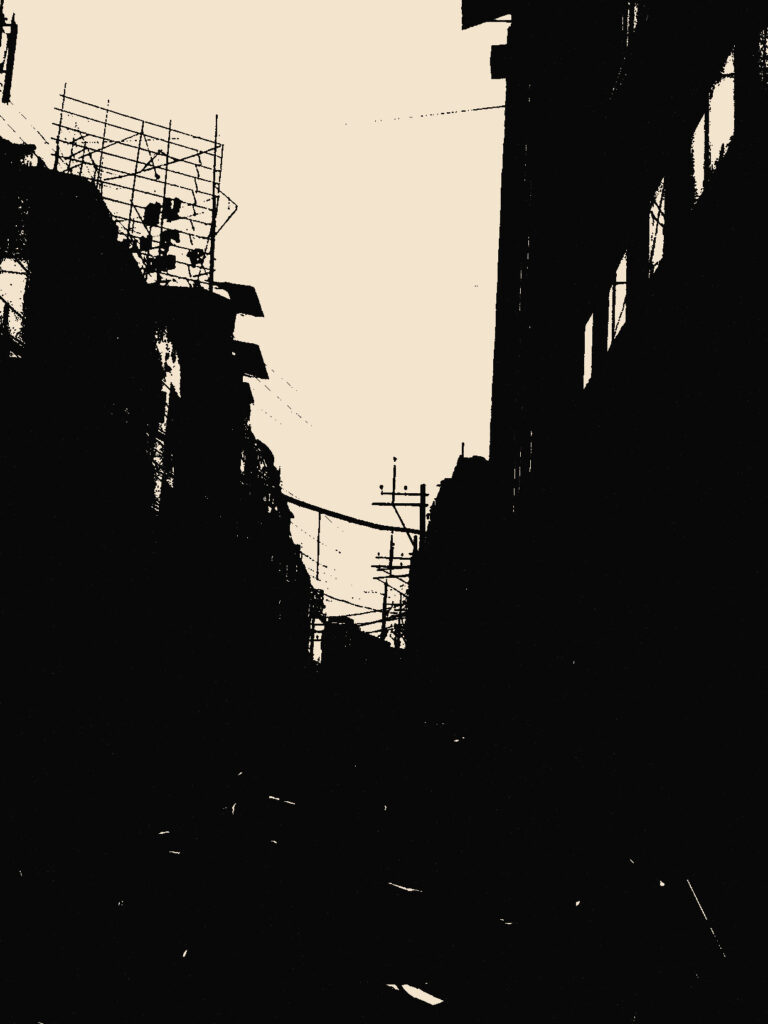
One of the most striking uses of negative space is the silhouette. Instead of painting the subject directly, the artist paints everything around it. A classic example might be a tree defined not by painted leaves or branches, but by the sky glowing through the spaces between them. This technique feels simple at first, yet it carries profound symbolism. The subject exists because of its surroundings, reminding us that context gives shape to everything. For buyers, these works are visually bold and instantly recognisable, often becoming the focal point of a room.
Dual-Tone Divisions
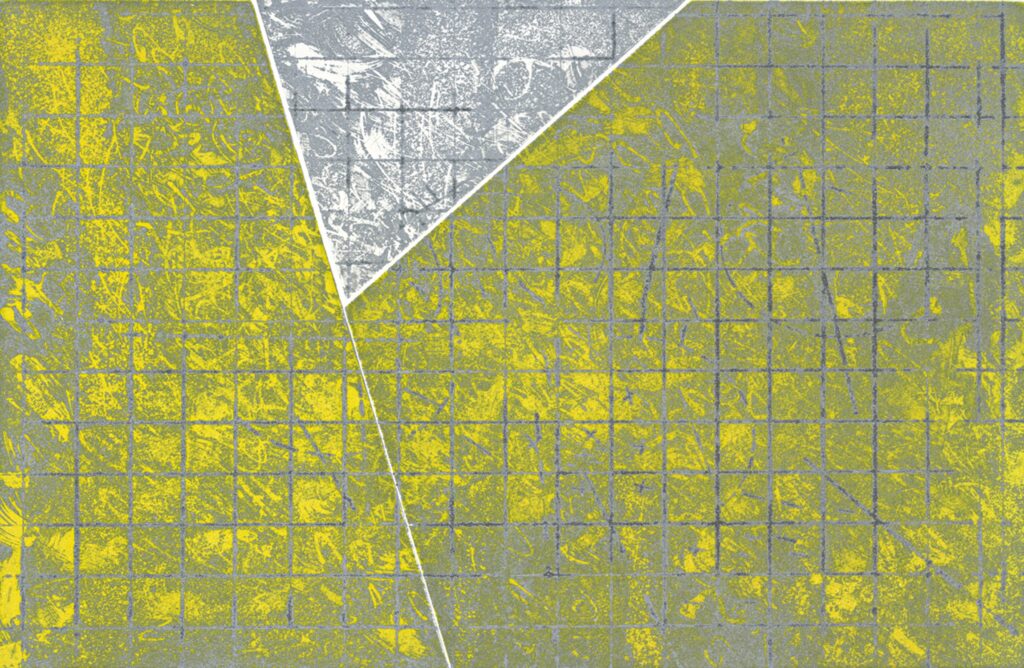
Another popular approach is the dual-tone canvas, where half the space is filled with bold colour and the other half left bare. This deliberate balance aligns with timeless Art Composition principles, highlighting contrast, harmony, and equilibrium. On a wall, these works radiate calm order, making them a favourite among collectors who value symmetry and clarity in their living spaces. They also pair beautifully with Modern Art and Minimalist Art interiors, where every design element speaks of intentional restraint.
Hidden Forms
Negative space has the power to surprise. In some works, a figure or shape is revealed only after sustained looking. A bird might appear in the gaps between abstract lines, or a human profile could emerge from what first seemed like random patterns. This delayed recognition is part of the magic. Viewers often feel a small thrill when the hidden form reveals itself, a perfect conversation starter in any gallery or home. For collectors, these pieces are more than decoration; they are experiences that continue to unfold over time.
Geometric Voids
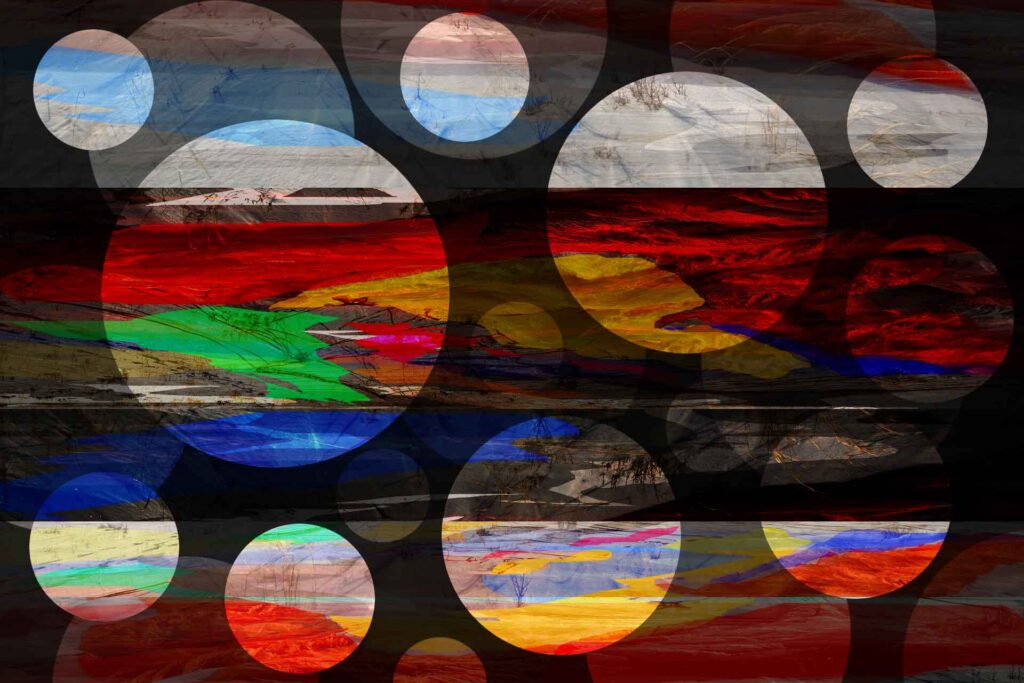
Clean geometric voids: circles, squares, or even unexpected cut-outs, add rhythm and modernity to a composition. In Minimalist Art and design-driven interiors, these shapes feel especially at home. They echo architectural lines and contemporary furniture, creating a seamless visual dialogue. Collectors who love order and precision often gravitate toward these works, seeing them as reflections of balance, discipline, and forward-thinking style.
Watercolor Magic
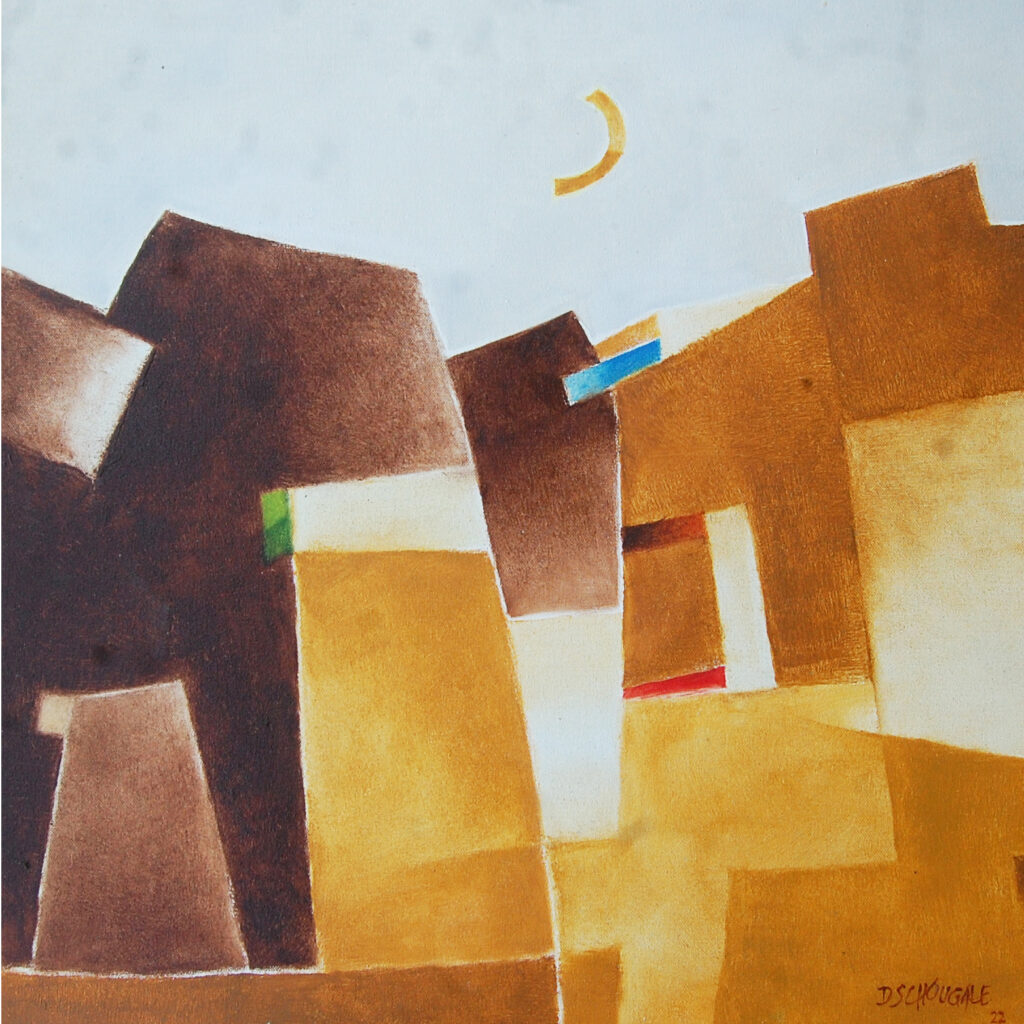
For those curious about how to paint negative space in watercolour, this medium offers some of the most enchanting possibilities. Artists may use masking fluid to protect areas of white paper or layer translucent washes to define shapes through contrast. The result can be ethereal and dreamlike: petals floating on mist, figures emerging from fog, or abstract forms dissolving into silence. Collectors respond strongly to these pieces because they feel fragile, almost spiritual, as if the art were breathing on the paper.
Why These Ideas Matter to Collectors
Each of these negative space art ideas demonstrates how absence becomes an active element of design. For buyers, the choice is not just about style but about mood. Silhouettes feel bold and confident. Dual-tone divisions communicate order. Hidden forms spark curiosity. Geometric voids suggest modern sophistication. Watercolour explorations evoke calm and meditation.
The beauty of negative space artwork lies in its versatility; it can be strikingly minimal or richly layered, serene or provocative. By understanding these approaches, collectors not only appreciate the technical brilliance but also connect more deeply with the narrative behind the canvas.
The Buyer’s Experience on Mojarto
When someone searches for creative negative space art, they are not just looking for a painting. They are searching for clarity, for a visual pause that reflects how they want to live.
On Mojarto, we highlight this by pairing each artwork with the story of its creation. A collector reading about how an artist used emptiness to create tension or calm begins to value not just the visible brushstrokes but the invisible ones, too. This storytelling deepens engagement and makes the purchase feel purposeful.
High-quality visuals are equally important. Photographs should capture both the painted form and the untouched space, showing how they work together. In lifestyle images, we allow the void to breathe, an echo of what the artwork itself does.
Why Negative Space Belongs in Modern and Contemporary Art Conversations
Negative space is not a new trick. From Japanese ink paintings to Western modernists, artists have long understood the eloquence of absence. But in today’s fast-paced world, its relevance has grown sharper.
Collectors increasingly lean toward Contemporary Painting that feels uncluttered, reflective, and future-oriented. Negative space offers exactly that. It positions the collector as someone who appreciates subtlety, someone unafraid of silence in a noisy world.
When presented under categories like Abstract Art, Modern Art, or Minimalist Art, these works not only find buyers but also align perfectly with current interior and branding trends.
A Quiet Revolution on the Canvas
Negative space is the art of restraint. In a marketplace overflowing with images, restraint itself becomes radical. The invisible brushstroke doesn’t shout for attention; it waits, calm and poised, until you notice it.
For collectors, that discovery is addictive. For artists, it’s a chance to explore silence as deeply as form. For Mojarto, it’s an opportunity to bring both worlds together: a platform where subtle, concept-driven art finds an audience ready to listen to what emptiness has to say.
Final Thoughts
Art has always been about more than decoration. It is about how we see, how we feel, and how we connect. Negative space art embodies this perfectly. It proves that absence is never empty; it is potential, imagination, and emotion waiting to be discovered.
At Mojarto, we invite you to explore this quiet revolution. Whether you are drawn to negative space art in bold abstractions or delicate watercolours, whether you seek inspiration in positive and negative space art or in experimental minimalism, you’ll find works that don’t just occupy your walls, but change the way you experience space itself.
Sometimes, the loudest voice on the canvas is the one that isn’t painted at all.