
There is a moment when a room stops looking decorated and starts feeling personal.
Often, that moment has little to do with another cushion, lamp or piece of furniture. It happens when an artwork brings character into the space.
Sculpture does this particularly well.
Unlike a painting, a sculpture does not stay confined to one visual plane. You notice its surface, silhouette, depth and shadow. Walk past it and the work changes. Morning light may reveal one detail, while evening light creates another mood entirely.
That is what makes choosing a sculpture for home interiors exciting, but also slightly more demanding than picking a conventional decor object.
A sculpture has physical presence. Its proportions need to make sense. Its material affects the mood of the room. Its form must hold attention without making the surrounding interior feel crowded.
For collectors browsing Mojarto, the goal should not simply be to find a sculpture that “matches” the sofa or colour scheme. A stronger choice is one that feels visually right for the interior while still standing confidently as an artwork in its own right.
So, how do you make that choice?
Start With Proportion, Not Decoration
One of the first lessons in how to choose sculpture for home is understanding proportion.
A sculpture can be beautiful on its own and still feel wrong when introduced into a particular interior.
A compact work may disappear visually in a large, open room. A dense, dramatic sculpture can overpower an intimate space. The question is not whether bigger is better. It is whether the sculpture has enough visual presence for the environment around it.
Think beyond the artwork’s physical measurements.
Consider its visual weight.
A delicate wire sculpture may occupy a considerable amount of space while still feeling airy. A compact bronze figure can feel much heavier because of its density, dark surface and solid form.
This distinction matters.
Two sculptures with similar dimensions may create completely different impressions. One can feel light and fluid, while the other becomes an immediate focal point.
Before choosing, imagine the sculpture in relation to the furniture, open space and architectural lines already present in the room.
A strong interior does not require everything to be equal in scale. It requires balance.
If your furniture is visually heavy, a sculpture with a more open form may create contrast. In a restrained interior, a stronger sculptural silhouette can introduce character without requiring several additional decorative pieces.
This is where thoughtful collecting differs from simply filling an empty area.
Let the Material Influence the Mood
Material changes the personality of sculpture.
Bronze carries a sense of permanence and weight. Wood often introduces warmth and organic character. Fibreglass can support expressive contemporary forms. Ceramic may feel tactile and intimate. Metal can appear industrial, polished, delicate or architectural depending on how the artist handles it.
When considering sculpture for home decor, look at what the material is doing artistically rather than choosing it only because it resembles something already in the room.
A wooden sculpture does not need to sit in a room filled with wood.
In fact, contrast is often more interesting.
A bronze sculpture can bring depth into a minimal contemporary interior. A fluid metal work may create movement against a quiet neutral background. A textured ceramic piece can soften a space dominated by clean surfaces.
The material should also make sense for the artist’s idea.
Ask yourself why the artist might have chosen bronze, fibre, wood, ceramic or another medium. Does the material strengthen the subject?
A figure expressing stillness may feel different when rendered in smooth bronze than when carved from rough wood. An abstract form built from metal can create a sense of tension that the same shape in another material might not achieve.
This is why buying sculpture should involve looking at both concept and craftsmanship.
The medium is part of the meaning.
Figurative or Abstract? Follow the Feeling You Want
Many first-time buyers assume they need to decide whether they are an “abstract person” or a “figurative person.”
That choice can be useful, but it does not need to become a rule.
Figurative sculpture gives the eye something recognisable. Human figures, animals, musicians, couples and spiritual subjects can create an immediate emotional connection.
A figurative work may introduce tenderness, movement, humour or contemplation into an interior.
Abstract sculpture works differently.
Instead of telling you exactly what to see, it invites you to respond to form, rhythm, material and movement.
A curved form can feel calm. Sharp geometry may bring energy. Interlocking shapes can suggest relationships or tension without representing them literally.
When looking at contemporary Indian sculptures for home, notice which response you naturally prefer.
Do you want the artwork to tell a recognisable story?
Or would you rather live with something that remains open to interpretation?
There is no better category.
What matters is whether the sculpture continues to interest you after the first impression.
An artwork you live with should reveal something over time. If the entire experience is exhausted within a few seconds, the piece may eventually begin to feel like an accessory rather than art.
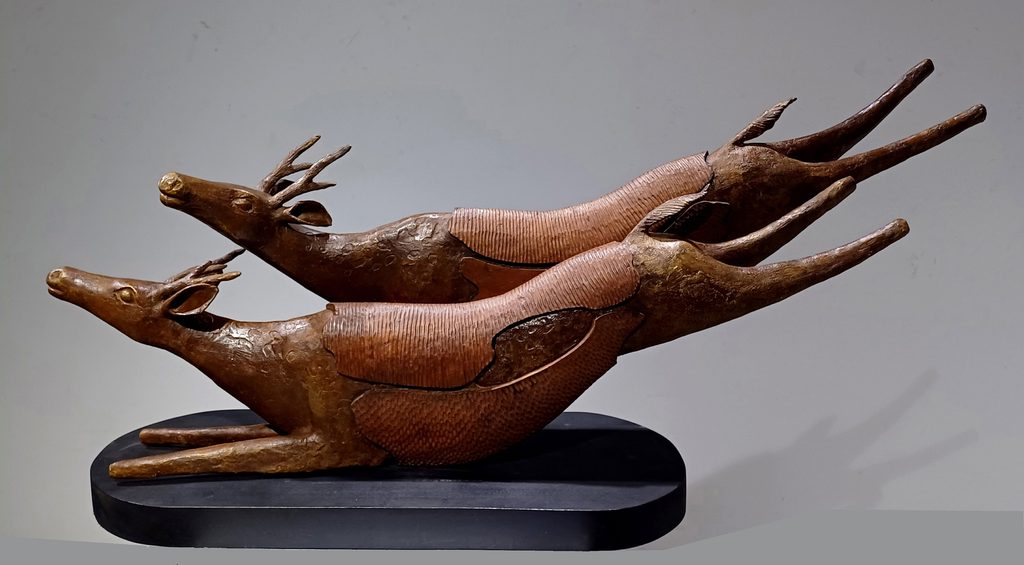
Look at a Sculpture From More Than One Angle
One of the easiest mistakes to make when selecting sculpture online is judging it like a painting.
A sculpture has more than one front.
Its profile may be completely different from its primary view. Openings, projections and changes in surface can alter dramatically as you move around the object.
This makes viewing angles an important part of the buying decision.
When browsing photographs, look for multiple views where they are available. Study the front, sides and back. Notice whether the form remains interesting as the perspective changes.
Pay attention to the silhouette.
Would the sculpture still look compelling if you saw only its outline?
Then look at negative space.
Negative space refers to the empty areas created within or around a sculpture. An artist may use those openings deliberately to make a work feel lighter, more dynamic or more architectural.
This is especially useful when considering sculptures for living room interiors, where the artwork may be seen from several directions as people move through the space.
A strong sculpture does not need to present the same image from every angle.
Quite the opposite.
Part of its appeal is discovering that a work changes as you walk past it.
That movement turns sculpture into an experience rather than a static object.
Choose Art That Belongs to You, Not to a Trend
Interior trends move quickly.
One year, everyone seems drawn to minimal monochrome spaces. The next brings colourful maximalism, organic textures or sculptural furniture.
Original art should not have to change every time an interior trend does.
That is why personal response should carry more weight than trend compatibility.
Ask yourself a simple question: if the room were redesigned five years from now, would I still want this sculpture?
If the answer is yes, you are probably looking at the artwork rather than the trend around it.
This is particularly important with statement sculptures.
A dramatic work may look impressive in photographs, but visual drama alone is not enough. You should also feel curious about the artist, subject or idea.
Look at several works by the same artist.
Does a recognisable artistic language emerge?
Are certain forms, themes or materials explored repeatedly?
Does the artist appear to be developing an idea rather than producing unrelated decorative objects?
Mojarto features sculpture as one of its principal art categories and presents works by Indian artists across contemporary and other practices.
For collectors, exploring a wider portfolio is useful because it moves the decision away from one attractive object and towards an understanding of the artist behind it.
That usually leads to a more meaningful purchase.
Match Energy, Not Colours
One of the most limiting questions you can ask is, “Does this sculpture match my room?”
Matching is not always desirable.
A successful interior often contains tension.
A traditional subject can look striking inside a sharply contemporary home. A clean abstract sculpture can provide relief in an interior rich with Indian textiles, carved furniture or patterned surfaces.
Instead of matching colour, try matching energy.
A calm interior may benefit from a sculpture with controlled, meditative lines.
A lively social space may support a more animated figure or expressive form.
A sophisticated neutral interior may become far more memorable with one sculpture that introduces texture or visual tension.
This approach is particularly useful when searching for sculptures for living room settings. The living room usually has several visual elements competing for attention, from furniture to lighting to textiles.
The sculpture should not have to imitate those elements.
It should contribute something they do not already provide.
That may be height.
It may be movement.
It may be texture.
It may simply be personality.
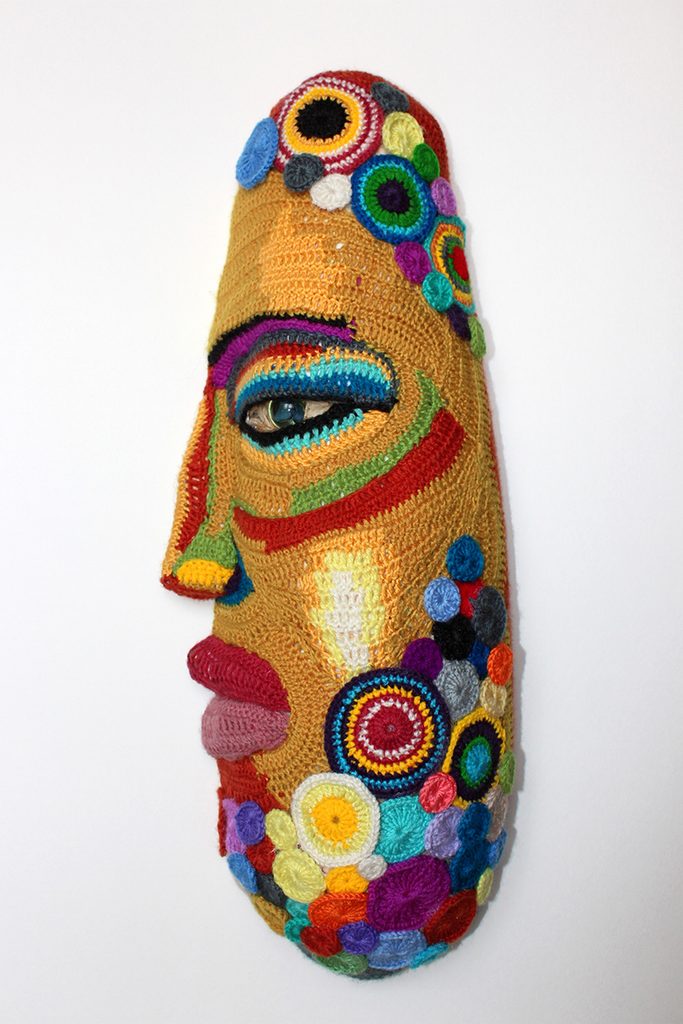
Examine the Artist and the Artwork Together
A sculpture becomes more interesting when you know who made it.
Before buying, read the artist’s profile. Look at previous works. Understand whether the sculpture belongs to an ongoing series or a broader investigation.
This is especially important with contemporary art.
A sculptor might return repeatedly to human relationships, urbanisation, mythology, memory, ecology or the body. Once you understand that context, details that initially looked decorative may carry a clearer meaning.
Look at the artwork information carefully as well.
Check:
- Artist’s name
- Title of the sculpture
- Medium
- Dimensions
- Year of creation
- Style or artistic category
- Available description
- Whether the work is original
- Artist or gallery information provided with the listing
The point is not to make buying art unnecessarily technical.
It is to know what you are choosing.
A thoughtful purchase usually combines two reactions.
The first is instinctive: “I love looking at this.”
The second is informed: “I understand why this work interests me.”
When both are present, the decision becomes much stronger.
Avoid Buying a Sculpture Only to Fill Space
An empty corner can tempt you into making a quick purchase.
That is usually the wrong starting point.
A sculpture should solve more than an empty-space problem.
It should add artistic presence.
Before buying, try describing the sculpture without mentioning your interior.
What attracts you to it?
Perhaps it is the artist’s treatment of movement. Maybe the expression on a figure feels unusually human. Perhaps an abstract form changes completely depending on where you stand.
If you cannot find a reason beyond “it fits the room,” keep looking.
Original art deserves more curiosity than that.
This also protects you from buying several interchangeable decorative objects when one compelling artwork could create a stronger impression.
A home filled with art does not need to be crowded.
Collectors often develop the most character when they become selective.
Buying Sculpture Online Can Be a Research Advantage
Some people assume sculpture must always be chosen in person.
Seeing a sculpture physically is valuable, but online browsing has another advantage: time.
When you buy sculptures online in India, you can compare artists, materials and subjects without having to make an immediate decision.
You can return to the same work later and see whether it still holds your interest.
You can compare it with other pieces by the artist.
You can study details instead of making a choice because a salesperson is standing nearby.
Mojarto offers collectors access to sculpture alongside paintings, drawings, photography, printmaking and other original art categories.
Its existing sculpture listings provide information such as artist, medium, dimensions, style and year of creation, which can help buyers compare works before deciding.
Use that information.
Do not browse only until you find the first object that suits your budget.
Create a shortlist.
Return to it after a day.
One sculpture may begin to feel predictable. Another may become more interesting each time you see it.
That second reaction is worth paying attention to.
The Right Sculpture Should Change the Room and Reward the Owner
A good sculpture alters how you experience an interior.
It creates another dimension.
Light catches its surface differently throughout the day. Its shadow becomes part of the composition. Viewed from another direction, a familiar form reveals something new.
But the best sculpture for home interiors does more than improve a room.
It survives the room.
Furniture may change. Walls may be repainted. Interior styles may evolve. A sculpture chosen because you genuinely connected with the artist and the work can continue to matter long after those changes.
So begin with proportion, but do not stop there.
Study the material.
Notice the visual weight.
Look at several angles.
Understand the artist.
Think about the emotional energy the sculpture brings into your home.
Then ask the most important question of all: would I still want to look at this if nobody else ever saw it?
If the answer is yes, you are no longer simply choosing decor.
You are beginning to collect art.
Mojarto gives collectors the opportunity to explore original works by Indian artists and discover sculpture through individual style, material and artistic voice. The right piece is not necessarily the one that matches everything around it.
Sometimes, it is the one that gives the entire interior a reason to be remembered.
Frequently Asked Questions
1. How do I choose the right sculpture for home interiors?
Start with proportion, visual weight, material and personal taste. Consider how the sculpture interacts with the scale and energy of your interior, but choose a work you would continue to value even if the room changed later.
2. Which sculpture material works best for a home?
There is no single best material. Bronze can feel substantial, wood adds warmth, ceramic offers tactile character, while metal and fibreglass can support expressive contemporary forms. Choose according to the artist’s work and the mood you want to create.
3. Are abstract sculptures suitable for living rooms?
Yes. Abstract sculptures can work especially well in living rooms because they introduce shape, movement and visual interest without relying on a literal subject. The key is choosing a form with the right visual weight for the space.
4. What should I check before buying a sculpture online?
Review the artist, medium, dimensions, year, artwork description and multiple images where available. Looking at other works by the same artist can also help you understand whether the sculpture reflects a consistent artistic practice.
5. Where can I buy contemporary Indian sculptures online?
Collectors can explore sculpture and other original Indian artworks on Mojarto. Comparing different artists, mediums and forms can help you identify a work that suits both your aesthetic preferences and your interest as a collector.