
There’s something almost indescribable about art. A brushstroke, a rhythm of colour, a hand-carved detail—it has the power to pause the noise in our heads and speak directly to the heart. In a world where conversations about mental well-being are finally taking centre stage, art has quietly emerged as one of the most profound companions in that journey. And what makes it even more inspiring is how homegrown artists across India are weaving healing into their work, creating pieces that are not just visually beautiful but emotionally transformative.
At Mojarto, we’ve seen firsthand how collectors and seekers alike are no longer looking at art only as decoration. They’re searching for something that uplifts, soothes, and connects them to meaning; healing through art. This shift opens a powerful space for Indian artists whose creative practice is rooted in cultural heritage, personal stories, and a deep awareness of the human spirit.
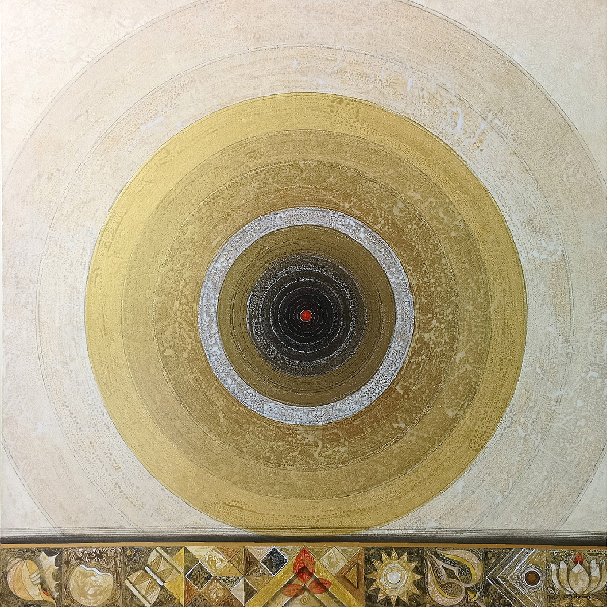
NILESH DADA NIKAM (Healing through art)
The Gentle Power of Art in Healing
Art is often described as therapy without words. For many, the act of painting, sculpting, or even engaging with a piece of art offers a rare sense of release. It gives form to emotions that are otherwise difficult to express. When someone who has battled anxiety or stress encounters an artwork that mirrors their own feelings, it creates an intimate dialogue. That moment of recognition is often the first step towards healing.
In India, where traditions of visual storytelling go back centuries, art has always been about more than aesthetics. Warli patterns, Gond motifs, or the symbolic language of Madhubani were never meant to be mere decoration. They carried stories of community, spirituality, and human connection. Today, these very traditions are being rediscovered as powerful anchors for mental balance.
Why Homegrown Indian Art Speaks to the Mind
There’s a rhythm in Indian folk art that feels almost meditative. The repeating lines of Gond, the fine detailing of Pattachitra, the earthy tones of Warli—all of these invite the viewer to slow down. In a time when our lives are driven by deadlines and constant stimulation, this quiet slowing is in itself healing.
For many artists, creating these works is not just their livelihood but their way of finding peace. A Warli artist once described how repeating geometric forms allowed him to regain control over spiralling thoughts. A young Madhubani painter shared how immersing herself in natural dyes became a ritual of grounding, helping her cope with the uncertainty of daily life. Their stories are testaments to how creativity and therapy naturally intersect.
For those who experience these artworks, the benefits are equally powerful. Collectors often share with us how placing a single folk painting in their living room changes the energy of the entire space. It isn’t about “filling a wall.” It’s about inviting calm, focus, or joy into their daily routine.
Stories of Healing Through Creation
The link between art and mental well-being becomes clearer when we hear the personal journeys of artists themselves.
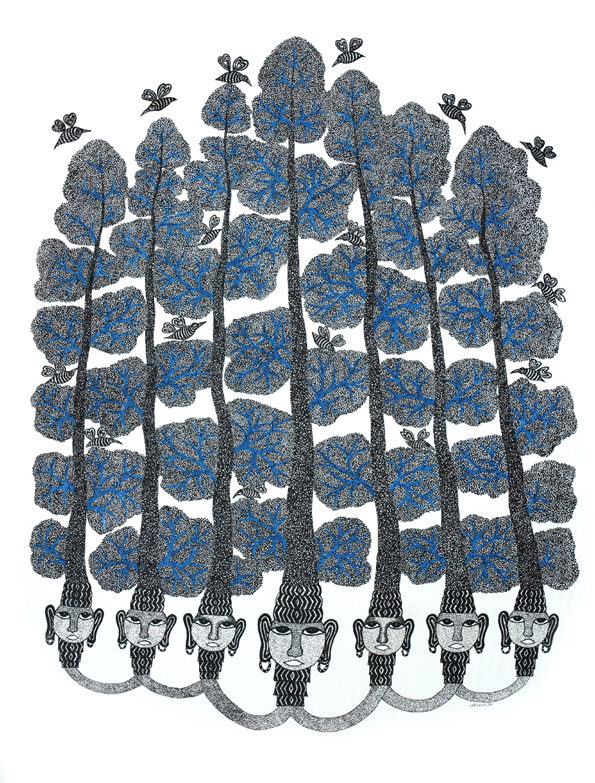
- A Gond artist from Madhya Pradesh began painting after losing a loved one. At first, each line was simply a way to distract herself from grief. Over time, it became a rhythm of healing. Today, her work is celebrated not only for its aesthetic value but also for the profound honesty that resonates with viewers who have walked similar paths.
- A contemporary Madhubani painter in Bihar initially turned to painting as an escape from the chaos of urban life. She often describes how immersing herself in traditional patterns feels like meditation. When her works reached collectors through Mojarto, buyers frequently wrote back saying the colours and details created a sense of calm in their homes.
These aren’t isolated stories—they reflect a larger truth. Homegrown art in India is intertwined with mental and emotional journeys, giving it a depth that mass-produced pieces can never replicate.
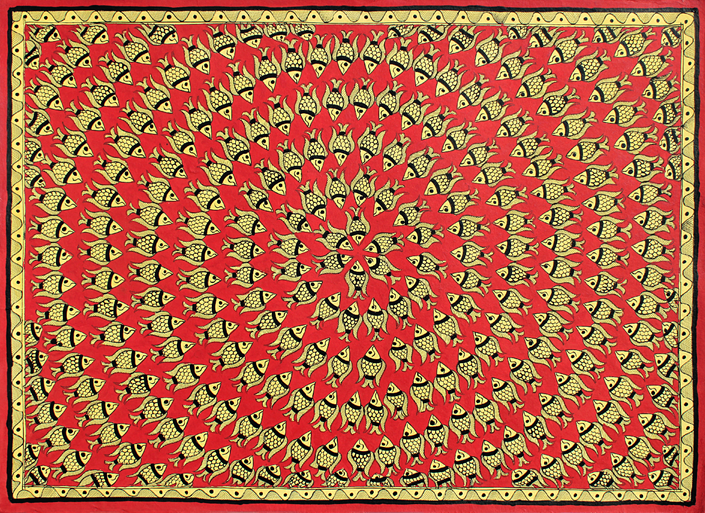
Unknown Artist
The Role of Mojarto in Amplifying This Movement
Mojarto has always stood for more than just connecting buyers and sellers. We see ourselves as storytellers and curators, bridging the gap between artists who create with intention and audiences seeking meaning. In the context of mental well-being, our role is simple yet profound:
- Curating Collections with Purpose: We highlight works that are created with healing and mindfulness in mind—pieces that carry not just colour but calm.
- Telling the Artist’s Story: Every painting or sculpture is accompanied by the voice of the artist. Buyers don’t just take home an artwork; they bring in the journey, struggles, and triumphs of the creator.
- Building Awareness: Through blogs, newsletters, and features, we create conversations around art and well-being. This positions Mojarto as a trusted platform for anyone searching for art that touches both heart and mind.
By aligning what we showcase with what people are seeking—whether that’s stress relief, inspiration, or emotional connection—we meet real needs while staying true to the authenticity of homegrown artists.
Who Finds Value in Healing Art
Individuals Searching for Calm
For many urban professionals, the search for “something that soothes” is real. They turn to yoga, mindfulness apps, or nature walks, but art offers a quiet and lasting solution. A painting that speaks to them becomes a daily companion, subtly shifting their mood whenever they engage with it.
Therapists and Wellness Coaches
Across India, counsellors and wellness practitioners are incorporating visual art into therapy sessions. They understand the impact of colours, forms, and storytelling on emotional release. When they connect with folk art or contemporary mindful pieces through Mojarto, they’re able to bring culturally rooted healing into their practice.
Collectors and Enthusiasts
Not all buyers come with a direct therapeutic intent. But once they hear the stories behind these works, many describe a shift in perception. The art they collect is no longer “just for walls.” It becomes a personal talisman, something that uplifts and grounds them in their everyday life.
Why This Matters from a Business Perspective
In today’s marketplace, people don’t just buy products—they buy meaning. Art tied to mental well-being delivers precisely that. It’s why collectors are more engaged, why word-of-mouth spreads faster, and why people return to Mojarto to discover more.
- Emotional connection builds loyalty: Buyers remember how a painting made them feel, not just how it looked.
- Purpose adds value: When art supports emotional health, it’s perceived as an investment rather than an expense.
- Stories drive sharing: A collector is far more likely to talk about the “healing Gond painting” in their living room than just “a painting I bought online.”
This emotional positioning not only strengthens the bond between artists and buyers but also places Mojarto as a brand that understands the deeper role art plays in people’s lives.
Practical Ways to Experience Healing Through Art
While we don’t believe in prescribing “rules” for art, there are simple ways for individuals to invite its healing energy:
- Choose works that genuinely resonate with you rather than following trends.
- Place them where you naturally pause—your desk, reading corner, or quiet hallway.
- Spend time noticing details and colours. This mindful engagement often reveals new layers of meaning.
- Learn about the artist’s story. Understanding their journey makes your relationship with the artwork richer.
These small steps transform the way art lives in a space and in the mind.
Looking Ahead: Art as a Companion for Well-being
Mental well-being will continue to be a vital conversation for years to come. As more people recognise that healing doesn’t always come in clinical settings, homegrown artists stand ready to fill that gap with authenticity and care. Their work is rooted in tradition yet deeply personal, making it uniquely capable of reaching both the mind and the heart. At Mojarto, we see this as more than a trend. Healing through art offers a cultural shift towards valuing art not only for its beauty but for its ability to nurture well-being. For those who believe in surrounding themselves with meaning, the message is simple: art heals, and every home deserves that gift.