
There is a quiet intelligence woven into Indian art. It does not shout for attention, yet it holds your gaze. Look closely at a temple ceiling, a miniature painting, or even a traditional floor design, and you will notice something deeper than ornamentation. There is structure. There is rhythm. There is intention.
This is the world of sacred geometry in Indian art. It is not merely about shapes or symmetry. It is about meaning, balance, and a connection between the physical and the spiritual. For collectors, designers, and art enthusiasts, understanding this dimension transforms the way Indian art is experienced and valued.
At Mojarto, this understanding shapes how art is curated, presented, and collected. Because when you recognise the deeper language of geometry, you are not just buying art. You are investing in a story that has endured for centuries.
What Is Sacred Geometry in Indian Art
Sacred geometry refers to patterns and proportions that carry symbolic and spiritual meaning. In India, these patterns are rooted in philosophy, religion, and cosmic understanding. They are not random designs. Every line, angle, and proportion is deliberate.
In the context of Indian art sacred geometry, geometry becomes a tool to express universal truths. Circles represent wholeness. Squares symbolize stability. Triangles often indicate energy and transformation. These shapes are combined into complex compositions that mirror the structure of the universe.
Artists across centuries have used these principles to create works that feel balanced and complete. Even when the viewer cannot explain why a piece feels harmonious, the geometry behind it plays a silent role.
The Cultural Roots of Sacred Geometry Patterns in India
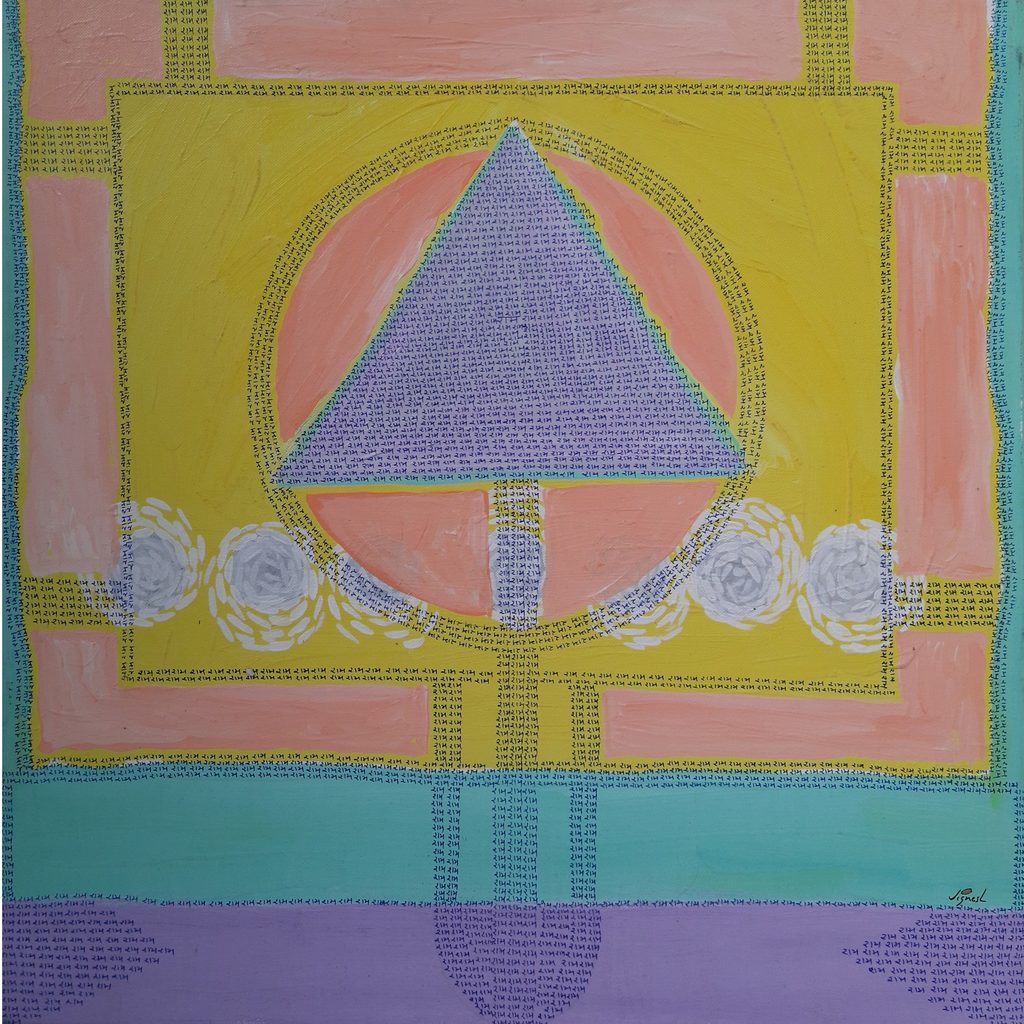
To understand sacred geometry patterns in India, one must look beyond art galleries and into everyday life. Geometry is present in rituals, architecture, textiles, and even temporary art forms like rangoli.
Ancient Indian texts such as the Shilpa Shastras laid down detailed rules for proportions and layouts in art and architecture. These guidelines were not restrictive. They were meant to align creative expression with cosmic order.
For example, mandalas are among the most recognised forms of sacred geometry. They are circular designs that represent the universe. Each layer within a mandala reflects a different level of existence, guiding the viewer inward toward a sense of unity.
Similarly, yantras are geometric diagrams used in spiritual practices. They are precise, mathematical, and deeply symbolic. Artists often draw inspiration from these forms, consciously or unconsciously embedding them into their work.
Geometry in Indian Temple Art
One of the most striking expressions of geometry in Indian temple art can be found in temple architecture and sculpture. Temples are not just places of worship. They are designed as cosmic diagrams.
The layout of many temples follows a grid known as the Vastu Purusha Mandala. This grid dictates the placement of every element within the structure. From the sanctum to the outer walls, everything aligns with geometric precision.
Ceilings often feature intricate carvings that radiate outward in symmetrical patterns. Pillars are adorned with repeating motifs that create a sense of rhythm. Even the placement of sculptures follows a calculated order.
This attention to geometry is not only aesthetic. It is meant to create a space where the human mind can feel aligned with a larger cosmic order. When visitors step into such spaces, they often describe a sense of calm or awe. That feeling is not accidental. It is designed.
Sacred Patterns in Hindu Art
The influence of Sacred patterns in Hindu art extends across various forms, from paintings to textiles to ritual objects. These patterns are often layered with symbolism.
Lotus motifs, for instance, are arranged in symmetrical forms to represent purity and spiritual awakening. Concentric circles may indicate cycles of life and time. Interlocking shapes suggest unity and interconnectedness.
In miniature paintings, artists use geometry to guide the viewer’s eye. The placement of figures, the division of space, and the use of borders all follow geometric principles. Even when the subject is narrative, the underlying structure ensures visual harmony.
For collectors, recognising these patterns adds a new layer of appreciation. It becomes easier to distinguish between decorative art and work that carries deeper cultural significance.
Why Sacred Geometry Still Matters Today
In a fast-paced digital world, the appeal of sacred geometry in Indian art has only grown stronger. People are increasingly drawn to art that feels meaningful and grounding.
Sacred geometry offers a sense of balance that modern life often lacks. It resonates with those who seek mindfulness, spirituality, or simply a sense of calm in their surroundings.
Interior designers are also embracing these patterns. Whether through paintings, sculptures, or wall installations, geometric art adds both visual interest and emotional depth to a space.
For businesses, especially in hospitality and wellness sectors, incorporating such art can enhance the overall experience. It communicates thoughtfulness and cultural richness, which resonates with discerning clients.
The Collector’s Perspective
From a sales and marketing standpoint, understanding Indian art sacred geometry is a powerful advantage. Buyers today are not just looking for decorative pieces. They are looking for stories, authenticity, and meaning.
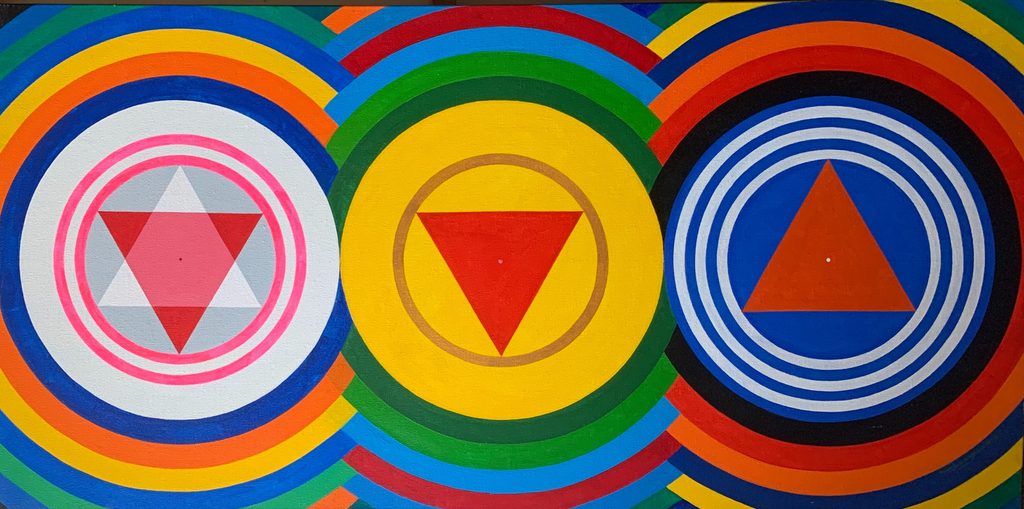
When an artwork carries elements of sacred geometry, it immediately stands out. It offers more than visual appeal. It offers a connection to tradition and philosophy.
Collectors often find that such pieces age well in terms of relevance. Trends may come and go, but art rooted in timeless principles retains its value.
At Mojarto, this insight guides the curation process. Each piece is selected not just for its aesthetic quality but also for the depth it brings. This approach helps buyers feel confident in their choices, knowing they are investing in something enduring.
How Artists Interpret Sacred Geometry Today
Contemporary Indian artists are reimagining sacred geometry patterns in India in innovative ways. While the roots remain traditional, the expressions are modern and diverse.
Some artists use bold colors and abstract forms to reinterpret mandalas. Others incorporate geometric structures into figurative art, creating a dialogue between tradition and modernity.
Digital art has also opened new possibilities. Artists can experiment with complex patterns and precision that were once difficult to achieve by hand. Yet, the essence remains the same. The goal is to create harmony and meaning through form.
This blend of old and new makes sacred geometry highly relevant for today’s collectors. It bridges the gap between heritage and contemporary taste.
Choosing the Right Sacred Geometry Artwork
If you are considering adding such art to your collection, it helps to approach the process thoughtfully.
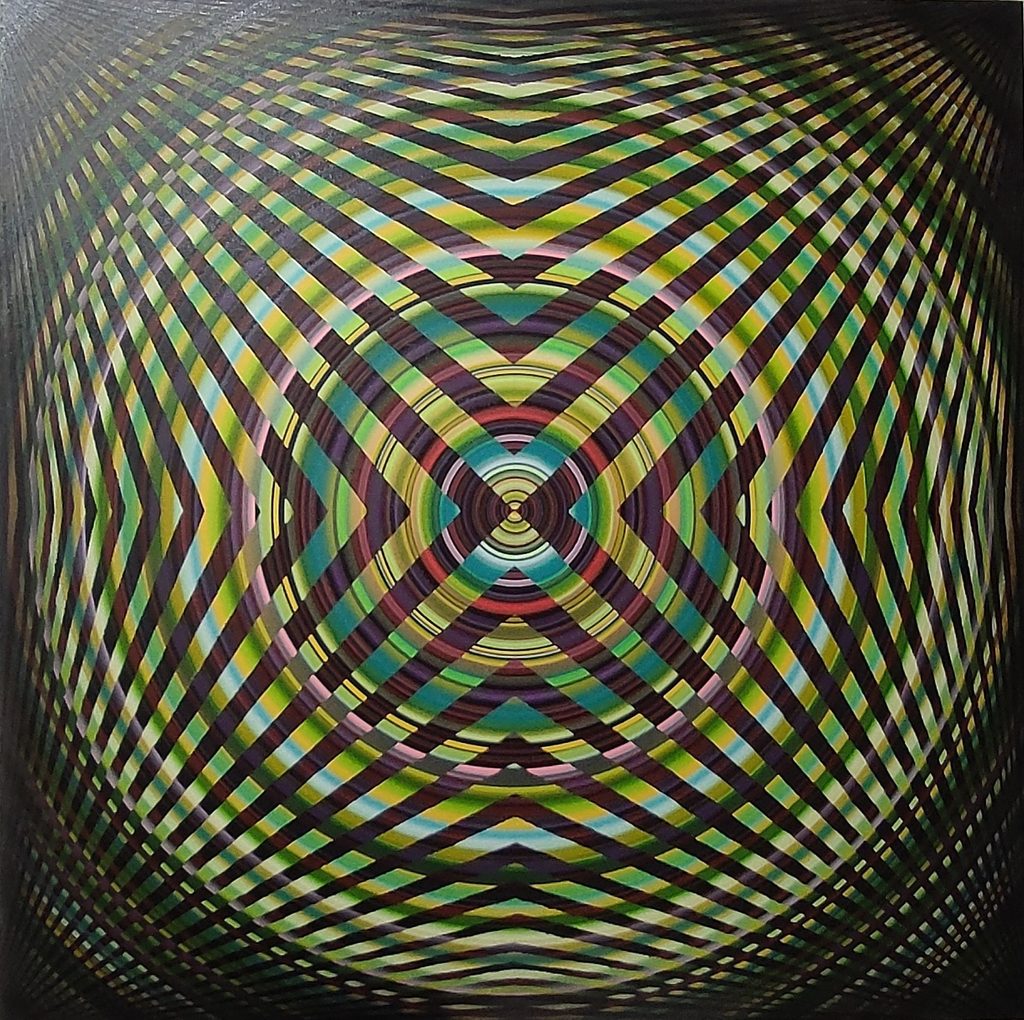
First, look beyond surface appeal. Ask yourself what the piece communicates. Does it evoke a sense of balance or curiosity? Does it hold your attention over time?
Second, consider the context in which the artwork will be displayed. Geometric art can either stand as a focal point or complement other elements in a space. Its versatility makes it suitable for both homes and professional environments.
Third, understand the story behind the piece. Knowing the inspiration and technique adds depth to your experience as a collector.
Platforms like Mojarto make this process easier by offering curated selections and detailed insights into each artwork. This ensures that buyers are not just purchasing art but also engaging with its meaning.
The Emotional Impact of Geometry
One of the most fascinating aspects of geometry in Indian temple art and related forms is its emotional impact. Even without understanding the symbolism, viewers often feel a sense of order and calm.
This response is not coincidental. Human perception is naturally drawn to patterns and symmetry. Sacred geometry takes this a step further by aligning these patterns with philosophical ideas.
The result is art that feels both intellectually engaging and emotionally satisfying. It speaks to the mind and the spirit at the same time.
Sacred Geometry as a Design Language
Today, Indian art sacred geometry is influencing not just fine art but also product design, branding, and architecture. Businesses are using geometric motifs to convey ideas of balance, precision, and trust.
In branding, geometric patterns can create a strong visual identity. They are memorable and versatile. When rooted in cultural context, they also add authenticity.
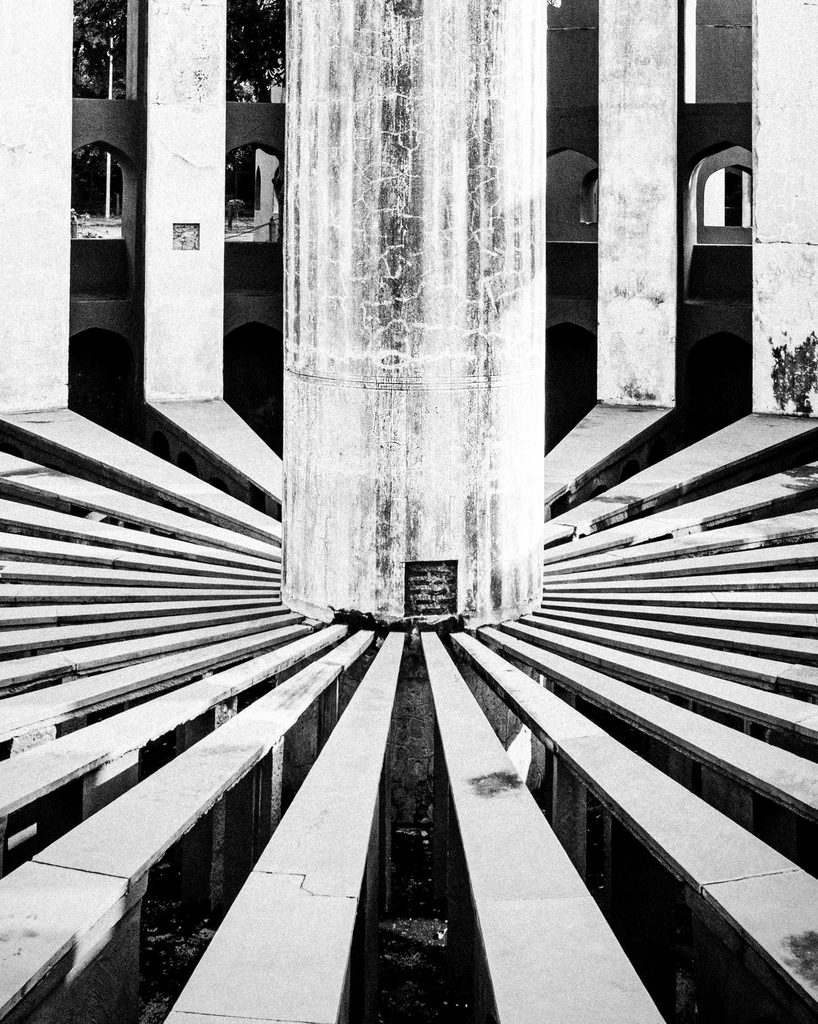
In architecture and interiors, these patterns can transform spaces. They can create focal points, guide movement, and influence mood. This makes them valuable tools for designers who want to create meaningful environments.
Why Mojarto Is the Right Place to Explore
For those looking to explore or invest in sacred geometry in Indian art, Mojarto offers a thoughtful and curated platform. The focus is not just on selling art but on connecting buyers with pieces that resonate.
Each artwork is presented with context, helping buyers understand its significance. This approach builds trust and encourages informed decisions.
Whether you are a seasoned collector or someone new to Indian art, Mojarto provides access to a wide range of works that reflect both tradition and innovation.
Final Thoughts
Sacred geometry is not just a visual element. It is a language. It speaks of balance, connection, and the unseen order of the universe. In Indian art, this language has been refined over centuries, resulting in works that are both beautiful and meaningful.
As interest in meaningful art continues to grow, the relevance of sacred geometry patterns in India becomes even more apparent. These patterns offer more than decoration. They offer a way to engage with art on a deeper level.
For collectors, designers, and enthusiasts, this is an opportunity. An opportunity to move beyond surface aesthetics and embrace art that carries lasting significance.
At Mojarto, this philosophy is at the heart of every offering. Because true art does not just fill a space. It transforms it.
FAQs –
1. What is sacred geometry in Indian art?
Sacred geometry in Indian art refers to the use of precise shapes, patterns, and proportions that hold spiritual and symbolic meaning, often reflecting cosmic balance and universal order.
2. Why are sacred geometry patterns important in Indian culture?
Sacred geometry patterns in India are deeply rooted in religious texts, rituals, and architecture. They are believed to connect the physical world with spiritual energies and enhance harmony.
3. How is geometry used in Indian temple art?
Geometry in Indian temple art is used to design layouts, carvings, and structures based on mathematical grids and symmetry, creating spaces that align with cosmic principles.
4. Are sacred geometry artworks valuable for collectors?
Yes, artworks based on Indian sacred geometry art are highly valued because they combine aesthetic appeal with cultural depth, making them timeless and meaningful investments.
5. How can I choose the right sacred geometry artwork for my space?
Look for pieces that resonate emotionally, fit your space, and carry authentic meaning. Understanding the symbolism behind sacred geometry in Indian art can help you make a more informed choice.