
Step into any contemporary Indian art space today, and one thing becomes immediately clear. Colour is no longer just a visual choice. It has become the language itself. Across canvases, walls, and private collections, artists are leaning into bold hues, layered tones, and emotionally charged palettes that speak directly to the viewer. This shift is not accidental. It reflects a deeper movement where emotion in colour in Indian art is being rediscovered, reinterpreted, and reintroduced for a modern audience.
At Mojarto, we see this evolution unfold every day. Collectors, first-time buyers, seasoned connoisseurs, and culturally curious viewers are gravitating toward artworks where colour does more than decorate. It communicates. It unsettles. It comforts. It tells stories without words. Modern Indian canvas trends are being shaped by this emotional urgency, and vibrant palettes sit at the heart of this transformation.
Why Colour Has Always Mattered in Indian Art
Indian art has never treated colour casually. Long before contemporary movements and global art fairs, colour was already carrying meaning, symbolism, and spiritual weight. From temple murals to miniature paintings, hues were chosen with intention. Red symbolised power and fertility. Blue suggested divinity and infinity. Yellow echoed learning and sanctity. Green reflected life, renewal, and balance.
This deep-rooted colour symbolism in Indian art still informs modern practice. What has changed is the freedom of expression. Today’s artists are not bound by traditional formats or iconography. They borrow emotional cues from the past but apply them in abstract, figurative, and experimental ways. The result is art that feels both familiar and disruptive, grounded yet contemporary.
From Symbol to Sensation: How Modern Canvases Use Colour
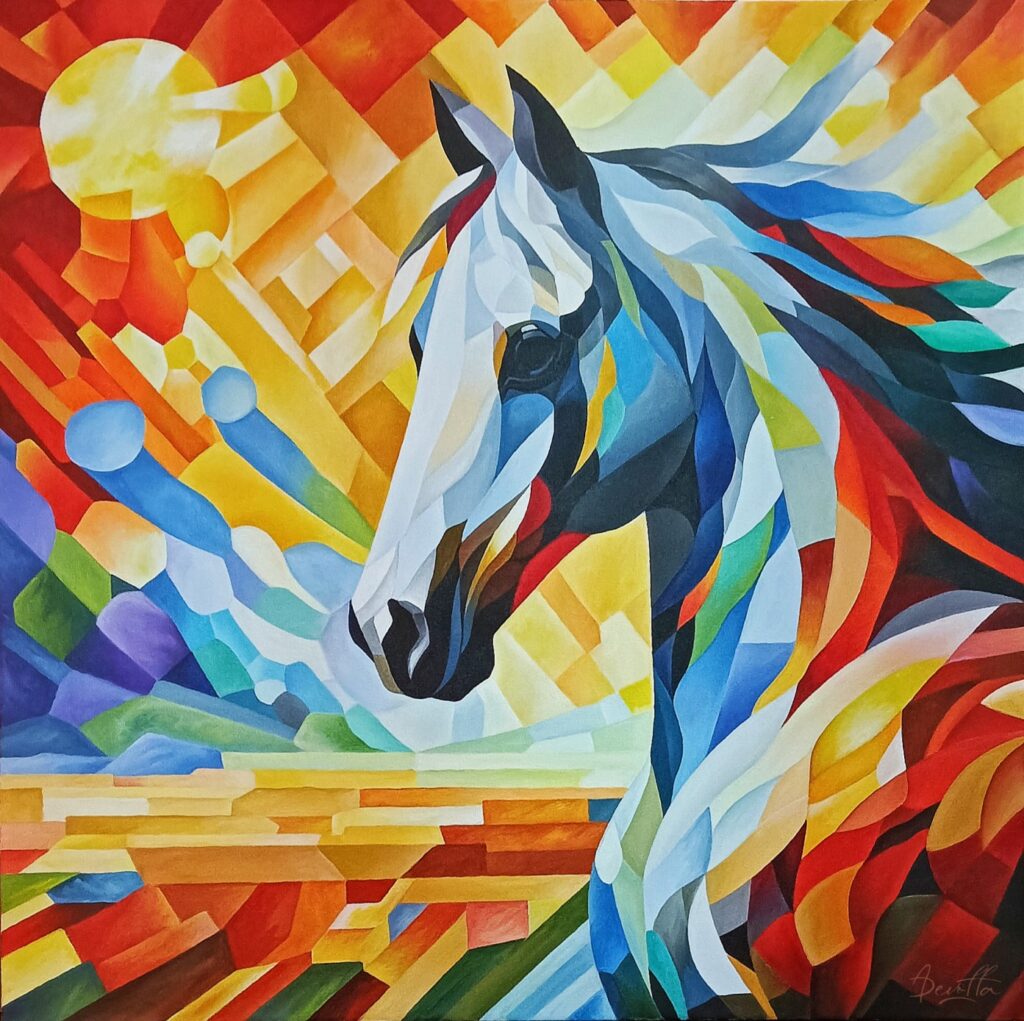
Modern Indian canvases often move away from literal storytelling. Instead, they rely on sensation. A field of intense crimson may express conflict, desire, or unrest. A sudden burst of turquoise can feel meditative or transcendent. Artists are less interested in explaining their work and more invested in how it makes the viewer feel.
This approach places emotion front and centre. The canvas becomes a space where internal states are projected outward. That is why vibrant colour palettes in Indian painting are gaining prominence. They mirror the emotional pace of modern life in India, layered, chaotic, celebratory, reflective, and deeply personal.
Collectors today are not just buying art for aesthetic harmony. They are seeking resonance. They want pieces that respond to their lived experiences, their moods, and their memories. Colour becomes the connector.
The Rise of Expressive Palettes in Contemporary Indian Art
A noticeable trend across galleries and digital platforms is the move toward unapologetically bold colour choices. Earth tones are being pushed aside for saturated blues, fiery oranges, neon pinks, and dramatic contrasts. This does not mean subtlety has disappeared. Rather, subtlety now exists within intensity.
Many artists are experimenting with limited palettes but amplifying emotional depth through layering and texture. Others use colour clashes intentionally, creating visual tension that mirrors emotional conflict. These shifts are shaping what collectors now recognise as modern Indian colour palette trends, where personal expression outweighs decorative restraint.
This trend also aligns with a younger generation of collectors who want art that feels alive. They are drawn to canvases that energise a space, provoke thought, and invite conversation. Colour-heavy works do exactly that.
Navarasa Reimagined on the Contemporary Canvas
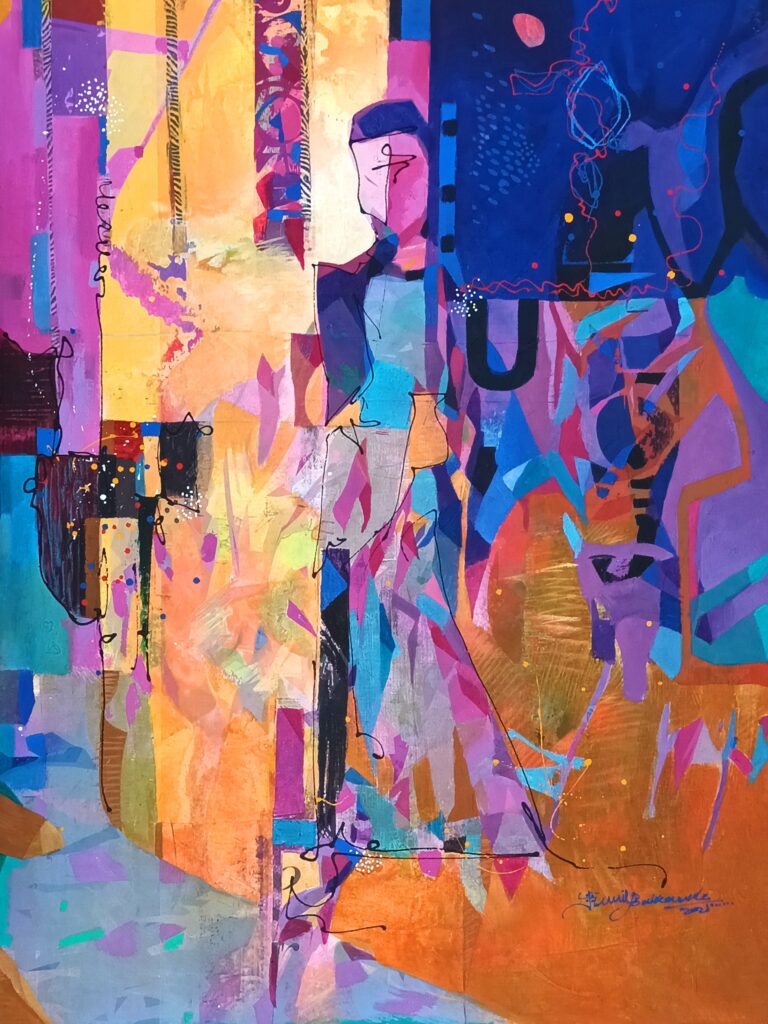
Indian aesthetics have long acknowledged the emotional spectrum through the concept of rasa. Today, artists are revisiting this framework in subtle and experimental ways. Rather than illustrating mythology or classical scenes, they use colour fields, abstract forms, and modern figures to evoke emotional states.
You can see echoes of love, anger, wonder, and tranquillity expressed through chromatic choices rather than narrative detail. This renewed interest in navarasa emotions in contemporary Indian art is not academic. It is instinctive. Artists tap into shared emotional memory and translate it visually.
A viewer may not immediately identify which rasa is present, but they feel it. That emotional recognition builds a lasting connection between the artwork and its audience.
Colour as Identity in Modern Indian Art
For many contemporary artists, colour has become a marker of identity. Regional influences, urban experiences, personal histories, and social realities all shape palette choices. Artists from different parts of India bring their own colour vocabularies to the canvas, influenced by landscapes, festivals, textiles, and daily life.
This diversity has expanded the visual language of Indian art. No single palette dominates. Instead, there is a rich coexistence of styles, from vibrant folk-inspired expressions to minimalist urban abstractions. Yet, across this spectrum, emotion remains the common thread.
For collectors, this makes modern Indian art deeply relatable. Colour becomes a way to connect with stories beyond one’s own, while still finding personal meaning within the work.
Why Collectors Are Drawn to Emotion-Driven Colour
Art buyers today are more emotionally aware than ever. They are not just decorating walls. They are curating experiences. When someone chooses a canvas driven by strong emotional colour, they are making a statement about how they want to feel in that space.
Emotionally charged palettes can energise a room, offer calm after a long day, or act as a quiet mirror to inner thoughts. This is why works that explore emotion in colour in Indian art hold lasting appeal. They evolve with the viewer. What feels intense today may feel comforting tomorrow.
On Mojarto, we see collectors spending more time with such works. They read the artist’s story, reflect on their own reactions, and choose pieces that feel personal rather than purely decorative.
The Commercial Appeal of Vibrant Indian Canvases
From a market perspective, vibrant contemporary Indian artworks have strong momentum. They photograph well, stand out in digital spaces, and create immediate visual impact. This visibility helps artists gain recognition and allows collectors to discover works that resonate quickly.
However, the appeal goes deeper than visibility. Emotion-led colour work has longevity. It does not rely on fleeting trends. Instead, it builds relevance through feeling. That emotional durability makes such pieces valuable additions to serious collections.
As interest grows globally, Indian artists who confidently explore colour and emotion are finding audiences far beyond national borders. Their work communicates universally, even when rooted in local sensibilities.
Mojarto’s Perspective on the Colour Movement
At Mojarto, we believe colour is not just an element of art. It is a conversation. Our platform showcases artists who use colour thoughtfully, not as ornamentation, but as expression. Each canvas carries intent, emotion, and narrative potential.
We curate works that reflect the evolving sensibilities of Indian art while honouring its cultural depth. Whether an artwork is abstract, figurative, or inspired by Indian folk traditions, we look for authenticity in its colour language.
For buyers exploring modern Indian art, this is an opportunity to engage with pieces that feel alive, relevant, and emotionally rich. Colour becomes the entry point, but meaning is what keeps the connection alive.
Looking Ahead: The Future of Colour in Indian Art
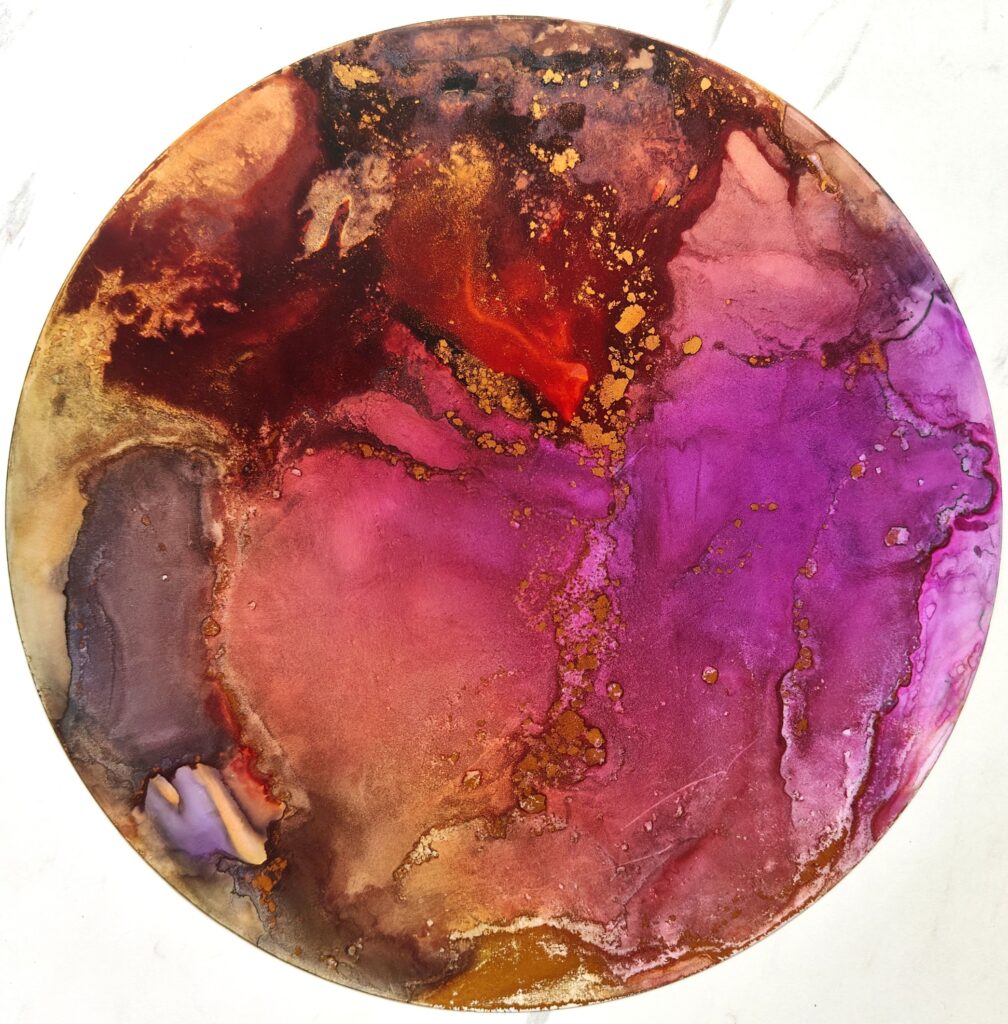
The journey of colour in Indian art is far from complete. As artists continue to experiment with materials, techniques, and personal narratives, palettes will evolve further. What will remain constant is the emotional core.
Future canvases may become even more immersive, layered, and expressive. Digital exposure will continue to influence palette choices, but the soul of Indian colour traditions will persist beneath the surface.
For collectors and art lovers, this moment offers something special. A chance to be part of a movement where art is not just seen, but felt.
Closing Thoughts
The power of colour lies in its honesty. It reaches the viewer before logic intervenes. In modern Indian canvases, colour has reclaimed its role as an emotional force. Through bold palettes, symbolic echoes, and personal expression, artists are redefining how we experience art.
For those seeking meaningful connections with contemporary Indian art, understanding this shift is essential. Emotion in colour in Indian art is not a passing phase. It is a reflection of who we are today, layered, expressive, and deeply human.
At Mojarto, we invite you to explore this vibrant world where colour speaks, emotion listens, and every canvas has a story waiting to be felt.