
Every artist carries a private geography. It is shaped by childhood memories, social environments, cultural inheritance, displacement, faith, doubt, and the quiet rhythms of daily life. In India, where history and the present constantly overlap, these personal landscapes often find expression through art. What emerges is not just visual beauty, but storytelling rooted in lived experience.
The rise of Indian artists’ personal journey art marks a meaningful shift in how contemporary Indian art is created and understood. Today’s artists are not only responding to aesthetics or tradition. They are reflecting on identity, memory, and transformation. Their works act as visual diaries, turning individual experiences into narratives that resonate across audiences, cultures, and generations.
At Mojarto, where Indian art is experienced as culture rather than commodity, this movement holds particular significance. Understanding how artists translate personal journeys into visual narratives allows collectors, curators, and enthusiasts to connect with artworks beyond surface appeal.
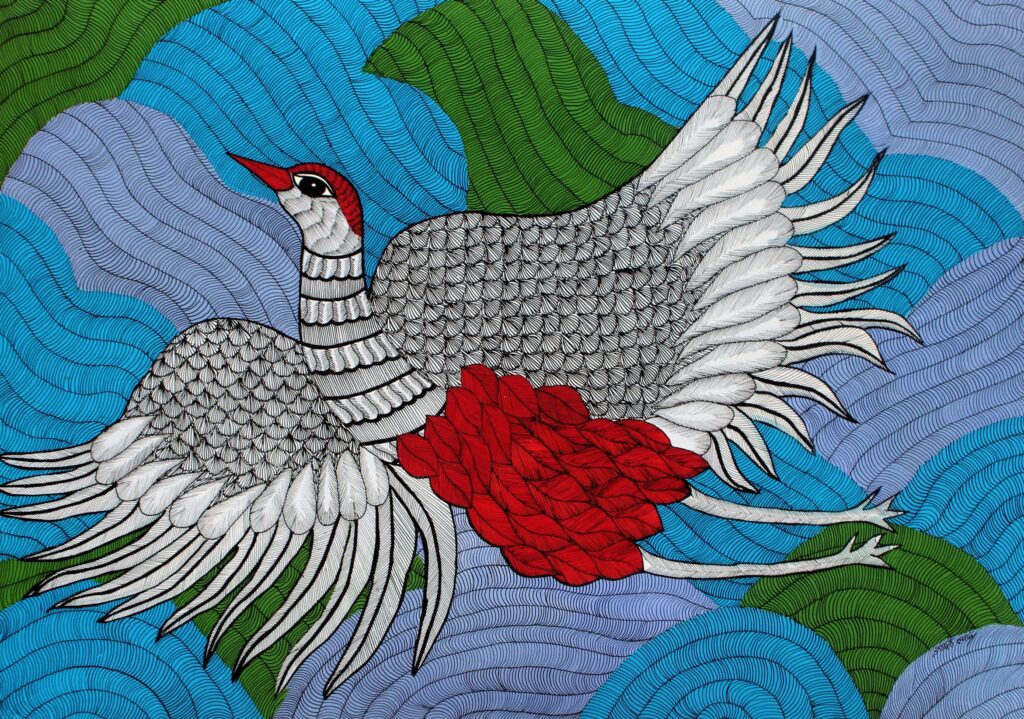
When the Studio Becomes a Space for Reflection
The studio has always been more than a physical space. For many Indian artists, it is where introspection meets expression. It is where fragments of memory are processed and reshaped into visual form.
Artists who engage deeply with personal narratives often begin without a fixed conclusion. A sketch might start as a recollection of a hometown street, a festival, or a fleeting emotion. Over time, layers accumulate. Colours become symbolic. Repeated motifs begin to echo personal histories. What the viewer eventually sees is not a literal autobiography, but a distilled emotional truth.
This inward approach defines much of contemporary Indian art storytelling today. The studio functions as a private sanctuary where personal experiences are examined honestly, without the pressure to explain or justify. When these works step into public view, they invite audiences to reflect on their own stories.
Memory as Material in Indian Visual Storytelling
Memory plays a central role in the work of Indian visual storytelling artists. Unlike linear narratives, memory operates in fragments. It resurfaces unexpectedly and reshapes itself over time. Indian artists often mirror this process through layered compositions, shifting perspectives, and recurring symbols.
A rural landscape may not represent a specific village, but rather the feeling of belonging and loss associated with migration. A solitary figure might echo isolation, resilience, or quiet resistance. These images feel personal because they are personal. Yet they remain open enough for viewers to find their own meanings within them.
This approach to visual narratives in Indian art allows for emotional accessibility without simplification. The work does not dictate interpretation. It invites participation. This balance is one reason such art continues to find relevance across diverse audiences.
Cultural Roots and Individual Voice
Indian artists often carry the weight and richness of cultural inheritance. Folk traditions, religious symbolism, and regional aesthetics influence early exposure to visual language. However, contemporary practitioners rarely replicate these forms unchanged.
Instead, they reinterpret them through the lens of individual experience. A classical motif might be fragmented or reimagined. A folk reference may appear abstracted, almost memory-like, rather than literal. This dialogue between tradition and personal history forms the backbone of much contemporary Indian art storytelling.
Rather than distancing themselves from cultural roots, artists engage with them critically. They question, reinterpret, and personalise inherited narratives. This process results in work that feels both rooted and modern, familiar yet distinctly individual.
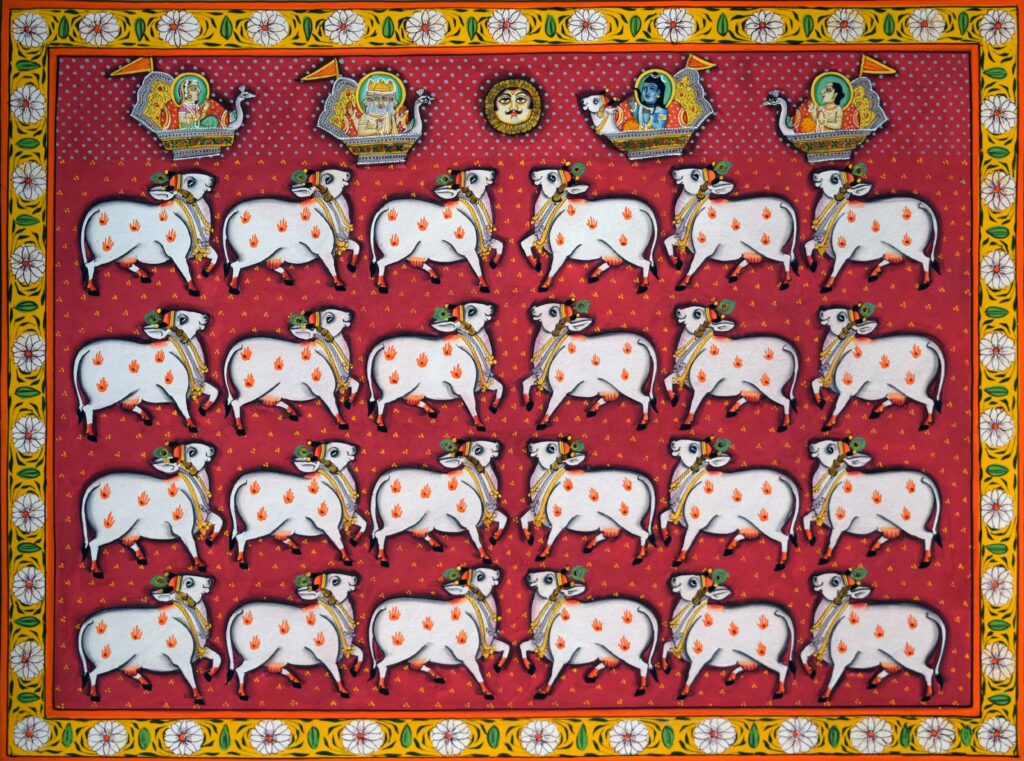
The Emotional Economy of Personal Narratives
In a global art ecosystem often driven by trends, personal storytelling offers a different kind of value. Works grounded in lived experience tend to carry emotional longevity. They do not rely on novelty alone. Instead, they deepen with time and repeated viewing.
Collectors increasingly recognise this emotional economy. Art that reflects an artist’s journey often establishes a lasting connection with the viewer. It becomes part of a shared emotional space rather than a decorative object.
This is where Indian artists’ personal journey art stands apart. It resists spectacle. It prioritises sincerity. The result is work that feels intimate without being insular, personal without being inaccessible.
Identity, Belonging, and the Contemporary Indian Experience
Questions of identity run through much of contemporary Indian art. Artists navigate layered identities shaped by region, language, class, gender, and global exposure. For many, visual storytelling becomes a way to reconcile these influences.
Urban artists might explore the tension between tradition and modernity. Others reflect on migration, memory of home, or the feeling of being caught between worlds. These themes surface not through overt statements, but through atmosphere, composition, and recurring imagery.
Such works contribute to a broader understanding of contemporary Indian art storytelling as an evolving conversation rather than a fixed category. Each artist adds a chapter shaped by their circumstances and sensibilities.
The Power of Silence in Visual Narratives
Not all stories are loud. Many Indian artists rely on restraint, allowing silence and negative space to speak. Empty rooms, paused gestures, and subdued palettes often convey emotions that words cannot.
This understated approach aligns with the narrative style Indian contemporary painting often adopts. It trusts the viewer to slow down, observe, and reflect. In a world saturated with visual noise, such works offer a moment of pause.
The absence of explicit explanation becomes a strength. It encourages personal interpretation and emotional engagement, reinforcing the idea that art is a shared experience rather than a one-sided message.
Why Personal Storytelling Matters to Collectors and Viewers
For those engaging with Indian art today, understanding the artist’s journey enhances appreciation. Knowing that a work emerges from lived experience adds depth and context. It transforms viewing into a dialogue rather than a transaction.
This is particularly relevant for audiences exploring Indian visual storytelling artists for the first time. Personal narratives act as entry points. They provide emotional cues that transcend cultural specificity while retaining authenticity.
For seasoned collectors, such works often represent continuity. They document an artist’s evolution over time, allowing the collection itself to tell a story.
Mojarto and the Narrative Pulse of Indian Art
Mojarto has long positioned itself as a platform that values artistic voice and cultural context. The focus on storytelling aligns naturally with this philosophy. Highlighting artists who translate personal journeys into visual narratives reinforces the platform’s role as a cultural bridge.
Rather than presenting art as isolated objects, Mojarto emphasises connection. Each artwork becomes part of a larger story that includes the artist, the viewer, and the evolving landscape of Indian art.
This approach resonates with niche audiences seeking meaning alongside aesthetics. It also supports emerging and established artists whose work is grounded in authenticity rather than formula.
The Future of Visual Narratives in Indian Art
As Indian art continues to gain global attention, personal storytelling is likely to play an even greater role. In an interconnected world, authenticity stands out. Artists who remain rooted in their experiences while engaging with broader themes create work that travels across contexts without losing its core.
The next generation of Indian artists will likely continue this tradition, using visual narratives to explore new realities while remaining anchored in personal truth. Their stories will add new layers to the ever-expanding canvas of Indian art.
Closing Reflection
From studios to stories, the journey of Indian artists is as much inward as it is outward. Through visual narratives, they transform memory, identity, and emotion into shared experiences. These works do more than depict life. They reflect it.
Indian artists’ personal journey art reminds us that the most compelling stories often begin quietly, in the solitude of a studio, shaped by reflection and honesty. When these stories find their way to the viewer, they create connections that endure.
For those exploring Indian art through Mojarto, understanding these narratives offers more than insight. It offers participation in an ongoing cultural conversation, one where every story adds meaning to the whole.