
In the dynamic world of contemporary Indian art, a powerful trend is gaining momentum — expressive figurative painting. At Mojarto, we believe this movement offers more than visual appeal: it presents an emotional narrative, a marketing opportunity, and a connection between collector and canvas that resonates on a deep level. If you are a collector, an art-lover, or a business seeking to align your brand with authenticity, this is a moment to engage.
The Appeal of Expressive Figurative Paintings in India
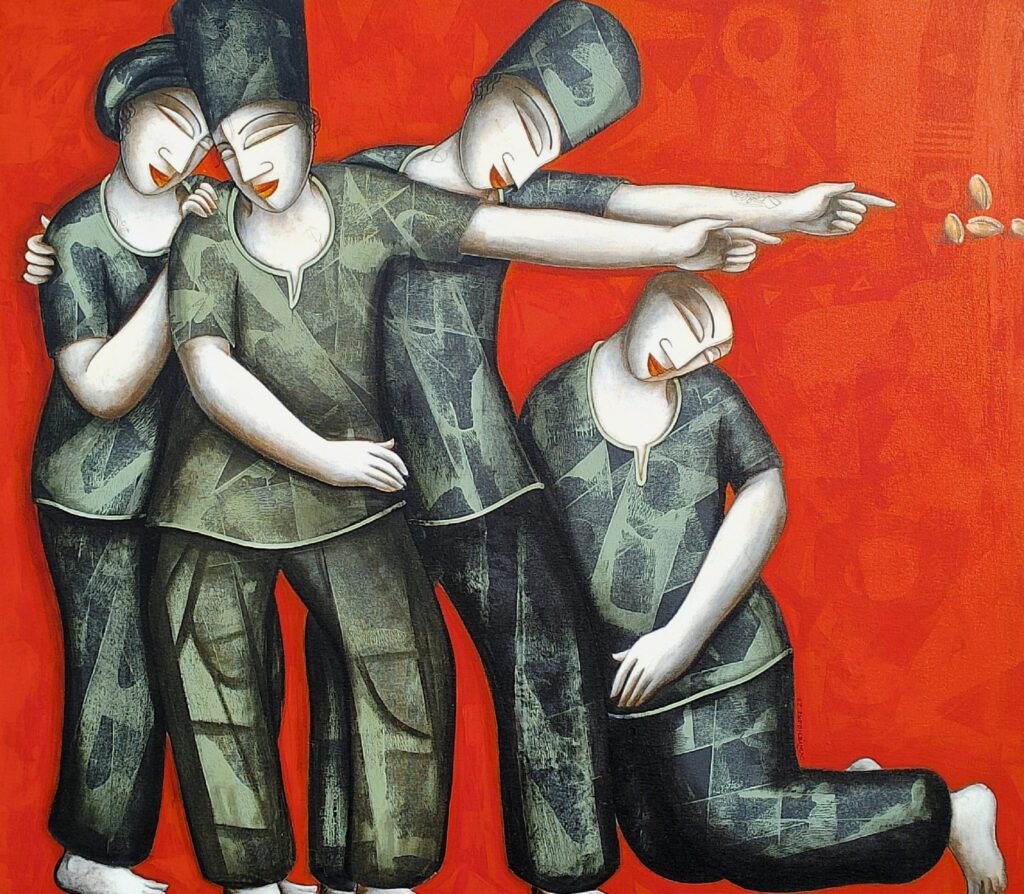
Expressive figurative painting refers to artworks that depict the human form or human presence while infusing strong emotion, dynamic brushwork, evocative colour palettes and personal storytelling. In the Indian context, this genre is rapidly evolving – rooted in tradition yet propelled by new voices, techniques and global exposure.
Why is this trend important? Firstly, figurative works create instant relatability: viewers recognise figures, gestures, scenes of life. Secondly, when those figures are rendered expressively, they transcend realism and touch mood, memory, longing, introspection. For collectors this means artworks become more than decoration: they become emotional anchors.
Indians today are not merely buying art; they are buying stories. The modern collector in India is seeking authenticity, narrative and connection. Expressive figurative painting aligns precisely with that. On the Mojarto platform we see strong interest for artworks listed under figurative and people / figures / life categories.
Why Now? Market Opportunities and Cultural Momentum
Several forces are converging to make expressive figurative painting a timely and compelling choice.
1. A cultural shift toward personal narratives
Indian art is moving beyond the purely traditional subjects of myth and landscape. Contemporary Indian artists are exploring identity, memory, urban life, diaspora, gender, and social change. When these themes are expressed via the human figure, they tap into universal emotions. For example, the artist Shipra Bhattacharya has become known for figurative works of women navigating domestic and urban spaces in India.
2. Strong growth in online art platforms
With digital-first platforms like Mojarto, buyers from across India and abroad now access original Indian artworks easily. This democratises art buying and increases exposure for expressive figurative pieces that might previously have been confined to galleries. The visibility boosts demand and drives value.
3. Corporate and lifestyle alignment
Brands, interior designers, hospitality businesses and luxury real estate projects increasingly seek art that communicates story, mood, and human presence. Expressive figurative paintings are ideally suited for such placements — they humanise spaces, evoke emotion, and create ambience.
4. A new generation of collectors
Emerging buyers – millennials and Gen Z – often look for art that reflects their life stage, emotions and worldview. They favour works that feel alive, authentic and emotionally engaging rather than purely decorative. Figurative paintings, when done well, tick this box.
Given these market dynamics, you as a collector, brand-buyer or design partner, can align with this trend and capture value.
How to Leverage Expressive Figurative Paintings Through Mojarto
At Mojarto, we’re not just curating art; we’re building connections between artist, work and collector. Here are strategic ways to engage with this genre from a sales and marketing perspective.
Identify authentic narratives
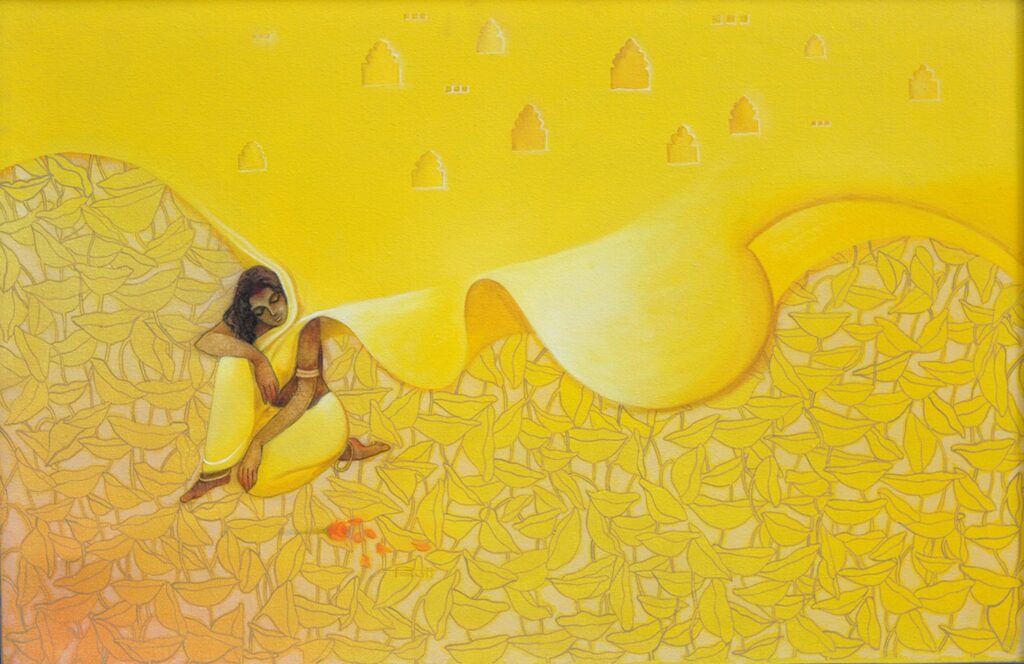
When selecting figurative works, focus on the story behind the painting. Ask: What emotion is being conveyed? What is the context of the figure? Why did the artist choose this posture, this colour palette? A painting that conveys a strong narrative can be marketed more powerfully. For example, one listing on Mojarto titled “Waiting for someone” by artist Piyali Sarkar creates an evocative scene of hope and longing in the figure of a girl. Tailor your marketing copy to highlight that story, help viewers connect.
Curate collections around emotional themes
Rather than presenting individual works in isolation, build themed collections like “Expressive Figures of Urban India” or “Women & Emotion in Figurative Art”. This helps buyers see the genre as a coherent movement, increases average cart value and enhances brand-positioning. On Mojarto you can filter by “figurative” and browse numerous pieces by emerging artists and established names. m.mojarto.com+1
Position works for multiple use-cases
While interior designers and homes are obvious, don’t overlook hospitality venues, office lobbies, boutique hotels, wellness centres. An expressive figurative painting can become a statement piece in these settings. Use marketing language that emphasises how the human form invites engagement, how brushwork creates rhythm and mood, and how the piece becomes a conversation starter.
Marketing copy that emphasises emotion and connection
In your product descriptions (or email campaigns, social posts), use language that helps the buyer visualise and feel the work. Example: “This painting draws you into a silent moment of reflection — the figure’s gaze meets yours, the palette murmurs memory.” Avoid purely technical language and emphasise feeling, story, and presence. Then align the call-to-action: “Explore the collection of expressive figurative paintings on Mojarto and connect with art that reflects the human soul.”
Educate your audience
Many buyers may not immediately understand the value of figurative painting compared with—for instance—abstract art. Use blog content, social posts, and newsletters to explain why figurative works are resonating now: the human element, timeless appeal, and psychological impact. For example, point out how artists across India are adopting figurative modes to respond to identity, migration, digital disruption and social change.
Key Themes and Artists to Watch
To deepen your marketing strategy, it helps to highlight artists and themes that exemplify expressive figurative painting in India.
Human form and gesture
Artists use pose, movement and expression to communicate narrative. For instance, Harish Raut’s depictions of rural women in motion or at rest became iconic for capturing mood via figure capturing gesture invites viewers to linger, to empathise.
Identity and memory
Figurative art becomes a vehicle for reflecting India’s complex identities — urban/rural, tradition/modern, diaspora. This gives paintings broader relevance, especially for buyers who want art with meaning.
Brushwork as emotion
Expressive brushstrokes, textured surfaces, visible hand-marks: all indicate that the artist is engaged, not detached. This gives the work an authenticity that buyers sense at a subconscious level. Marketing should draw attention to this: “See the spontaneous mark-making, feel the pulse of the artist’s hand.”
Colour psychology
Many expressive figurative works use bold or unexpected colour inversions: skin tones with emotional lighting, backgrounds that reflect mood rather than environment. Use marketing language referencing both visual and emotional colour cues.
Emerging Indian artists
Platforms like Mojarto are spotlighting new voices — regional artists blending folk, figurative and expressive modes. Your marketing should accentuate discoverability: by buying through Mojarto, customers gain access to works by rising talent before they appreciate in value.

Why Mojarto Is the Ideal Platform for Expressive Figurative Art
Choosing the right platform is part of the equation. Mojarto brings multiple advantages:
- Curated original works by Indian artists: Mojarto hosts a wide variety of expressive figurative paintings by emerging and established Indian artists.
- Discoverability for non-institutional buyers: Unlike traditional galleries, Mojarto allows buyers across India (and globally) to discover, browse and acquire art online.
- Narrative and context built in: Each piece often comes with background on the artist and their story — useful for marketing and emotional connection.
- Marketing support: For buyers, the platform enables sharing, social-media integrations and visibility, which can enhance the piece’s provenance and future value.
When marketing an expressive figurative painting from Mojarto, you can emphasise these platform strengths alongside the emotional narrative of the art itself.
Creating a Compelling Campaign for Figurative Paintings
Here’s a suggested roadmap for marketing a collection of expressive figurative paintings via Mojarto:
- Launch teaser content: Use blogs, emails and social posts to highlight the trend: “Why expressive figurative painting is the next big thing in Indian art”.
- Feature a signature piece: Select a standout painting from Mojarto, tell its story — artist background, emotional theme, brushwork detail. Use high-quality imagery and copy emphasising mood.
- Build a themed collection page: Title it something like “Emotive Figures: Contemporary Indian Figurative Paintings” and link to Mojarto’s filter results for figurative works.
- Leverage influencer/PR: Collaborate with design bloggers, interior influencers and art commentators to showcase how expressive figurative art transforms spaces.
- Offer insight-rich content for buyers: Create downloadable guides (e.g., “5 Questions to Ask When Buying Figurative Art”) but without focusing on framing or sizing.
- Follow up with testimonials: Share stories of buyers and how the piece changed their space or mindset; emphasise real human responses.
- Track metrics and nurture upsell: Monitor which campaigns drive clicks to Mojarto listings, follow up with personalised outreach to high-interest buyers, show new arrivals and artist stories.
Why Emotional Narrative Drives Sales
Art is one of the few purchases where emotion often precedes logic. Studies in buyer-behaviour show that when people feel something — the figure, the brushstroke, the colour — they are more likely to buy. In expressive figurative painting that effect is magnified because the human form triggers empathy, memory, reflection.
From a marketing perspective you want to cultivate that feeling. Use language like “this painting evokes a moment of introspection”, “the figure appears to reach out and invite you in”, “bold strokes and rich pigment convey the urgency of the artist’s vision”.
Also emphasise scarcity and uniqueness: because each work is original, limited in number and tied to an Indian artist’s hand, buyers feel they are acquiring something singular.
The Future of Figurative Painting in India
What lies ahead for expressive figurative painting and how can you stay ahead? Here are a few pointers:
- Cross-disciplinary fusion: Expect more works where figurative painting blends with digital media, new textures, mixed media techniques, heightening the expressive potential.
- Global visibility of Indian figurative painters: As Indian artists gain international recognition, their figurative works will attract global buyers, elevating value and marketing appeal.
- Narrative-driven collector communities: Buyers increasingly form communities around artist-stories and emotional resonance rather than just style. As a platform and marketer you can tap this by providing behind-the-scenes content, artist interviews, collectors’ round-ups.
- Corporate and experiential art programmes: Figurative works will be increasingly seen in hospitality, wellness, luxury residences, retail experiences. Marketing should emphasise this horizon.
- Sustainability and conscious narratives: Artists may focus on themes like migration, environment, gender – but expressed through the human figure. These narratives resonate strongly with younger buyers and brand-partners.
Final Thoughts
Expressive figurative painting is more than a trend: it is a compelling intersection of emotion, narrative and market opportunity. For a platform like Mojarto, it opens doors to both passionate collectors and new audiences seeking connection through art.
If you are considering investing in art or aligning your brand with authentic Indian creativity, now is the time to engage. Browse Mojarto’s figurative collection, invite your audience into the story behind each figure, craft campaigns that speak to emotion and identity — and you will transform mere acquisition into meaningful relationship.
The next time you gaze at a figure on canvas, remember you’re not just seeing form — you’re feeling presence.