
Indian visual art, when contemplated long enough, reveals a quietly powerful essence running beneath many canvases. It is not always dramatic or loud. It comes alive through personal traces, gentle symbols, forgotten lanes, old toys, schoolyard sounds and stories that once defined who we were. These details form the emotional soil of most Indian artists. They return to these memories not out of habit, but because childhood remains one of the most enduring sources of imagination in Indian visual culture.
In the last decade, this connection between art and memory has grown even stronger. Collectors on Mojarto often say that artworks rooted in memory stay with them longer. They feel more intimate and grounded for many buyers who want more than décor. Artworks that carry Childhood memories in Indian art offer a depth that is hard to ignore. These pieces feel familiar, almost like stepping back into a shared past that still breathes quietly within us.
This rise in memory-centred storytelling has shaped a fresh movement in the contemporary art market. It has also given collectors a way to understand how personal history strengthens the future of Indian paintings. To explore why this shift matters, it helps to look at how nostalgia shapes the way Indian artists see themselves and the world they paint.
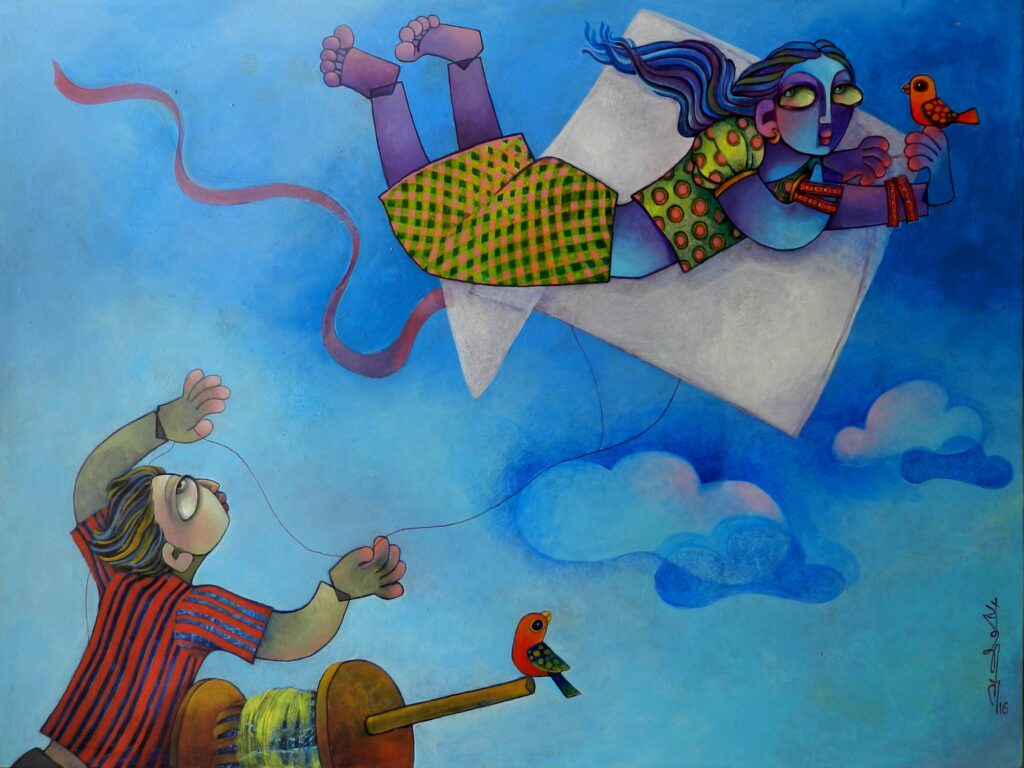
Why Memory Still Holds the Indian Imagination
India is not a culture that forgets easily. Our festivals, rituals, family traditions, and local customs hold stories that pass from one generation to another. These stories form a rich creative base for visual artists. They rely on memory not simply for inspiration but as a way to understand identity.
This is why Memory themes in Indian visual art continue to thrive. Artists lean on emotional recall to rebuild moments from childhood. They revisit familiar objects, neighbourhoods, characters and movements that shaped their early minds. Collectors respond deeply to these artworks because they reflect a universal truth. People want to reconnect with fragments of their lives that were once simple, joyful and pure.
In many ways, nostalgia has always been present in Indian painting. What has changed is how openly contemporary artists use personal history to express cultural change. Instead of recreating scenes exactly as they were, they paint them in ways that mirror how memory actually feels. Sometimes blurred, sometimes brighter than real life, sometimes fragmented or dreamlike, yet always sincere.
Childhood as a Creative Lens
Artists often say that childhood is where the first images of life settle into the mind. These early impressions become a lifelong visual vocabulary. Even when an artist grows older, the emotional energy of childhood remains intact. That is why Childhood memories in Indian art often feel more vibrant than ordinary scenes.
Some artists revisit their hometowns, sketching the streets where they once played. Others focus on toys, books, festivals, or household objects. These elements remind us of what shaped our earliest ways of looking at the world. A painting that carries the Role of childhood in modern Indian art has the power to trigger individual nostalgia in anyone who views it. This becomes a bridge between the artist and the buyer, creating a connection that is both emotional and instinctive.
Collectors often look for artworks that feel personal and timeless at the same time. Childhood-themed artworks do exactly that. They offer stories that remain relevant regardless of where or when a viewer grew up.
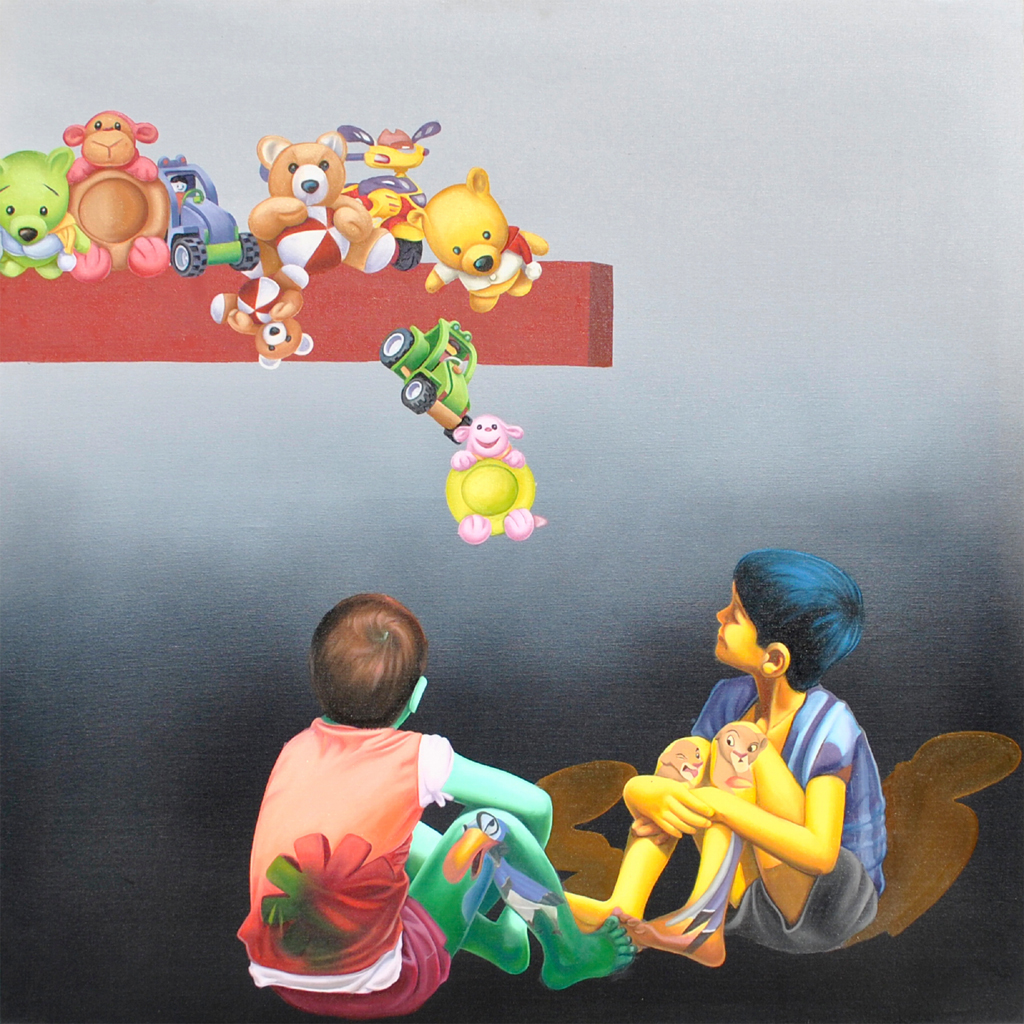
Nostalgia in Contemporary Indian Painting: A Growing Trend
The art market has seen a clear rise in Nostalgia in contemporary Indian painting. This shift is not accidental. It reflects the emotional concerns of a society moving rapidly through technology, cities growing quickly, families changing shape and daily life becoming more digital. In this fast-paced world, artists have turned to memory as a stabilising force.
Viewers, too, seek comfort in these artworks. People are drawn to paintings that remind them of slower days, handwritten letters, summer vacations, simple pleasures and everyday beauty that has faded with time. This is one reason why artworks rooted in nostalgia often perform well on Mojarto. They feel relatable even when the styles are abstract, figurative, symbolic or playful.
This trend proves something important about Indian visual expression. Even when artists experiment with modern techniques, the emotional centre often remains deeply rooted in the past.
Where Personal Memory Meets Cultural Identity
Memory is never just individual. In a country as layered as India, personal reminiscences almost always connect with larger cultural themes. Artists tap into this shared consciousness when they use old motifs, seasonal patterns, traditional objects or familiar landscapes.
When viewers see such elements, it is not only the artist’s memory they connect with. It is their own. That is why Memory themes Indian visual art speak across regions, languages and generations.
A simple candy wrapper painted on canvas can remind someone of childhood shops. A school blackboard can recall early friendships. A rural playground might pull someone back to their village roots. In these moments, art becomes a mirror of collective memory.
For collectors, this adds emotional value to the artwork. For investors, it strengthens the story behind the acquisition. And for Mojarto, it reflects a growing demand for artworks that speak directly to lived experience.
Indian Artists and Their Relationship with Childhood Nostalgia
There is something unique about Indian artists’ childhood nostalgia. Many artists grew up in environments where storytelling was a natural part of daily life. Grandparents narrated tales, festivals had symbolic meaning, and families carried memories as a form of inheritance. These influences shape artistic expressions even decades later.
Artists use these memories to build visual metaphors. A childhood swing may represent freedom. A family kitchen may symbolise warmth. School notebooks may act as markers of aspiration. The imagery varies, but the feeling remains consistent. Tender, honest, and emotionally grounded.
Collectors often gravitate to such artworks because they feel both intimate and universal. Artists paint their personal stories, but the themes resonate widely. This dual appeal makes childhood nostalgia one of the strongest creative threads in today’s Indian art scene.
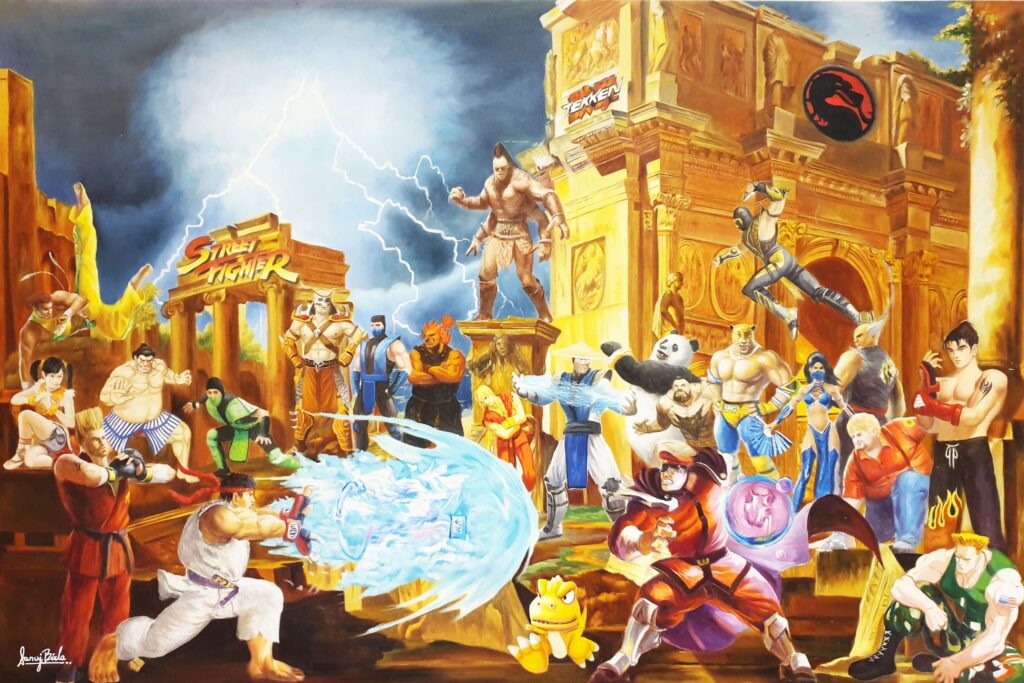
How Nostalgia Influences Buying Decisions
From a sales perspective, nostalgic art carries a unique advantage. It evokes emotion instantly, and emotion is one of the strongest drivers of art purchases. People tend to remember artworks that made them feel something. They return to them. They imagine those works becoming part of their everyday space.
For sellers and galleries, this creates a compelling connection point. When a painting brings forward memories of childhood, festivals, family or local traditions, it becomes more than an object. It becomes a story. Buyers respond strongly to stories. Especially those that remind them of their own journey.
This is why many collectors browsing Mojarto explore categories tied to memory, heritage and personal storytelling. They look for pieces that reflect their upbringing, values and emotional experiences. Nostalgia helps them engage with art not only visually but emotionally.
A Visual Journey Through the Past for Modern Audiences
One of the reasons nostalgic art finds a loyal audience is its ability to bridge generations. Younger viewers discover stories they may have missed. Older viewers reconnect with parts of life they had quietly set aside. This cross-generational appeal makes memory-themed art both meaningful and marketable.
Buyers appreciate artworks that maintain cultural continuity while still feeling fresh. Artists achieve this by blending traditional influences with contemporary techniques. The result is a type of visual storytelling that respects the past without feeling old-fashioned.
Such artworks often become conversation starters. They encourage reflection and emotional engagement. They allow people to share stories with friends and family. They become part of a viewer’s personal environment in a way few other themes can achieve.
Why Mojarto Attracts Buyers Who Value Memory-Rich Art
Mojarto has become a trusted platform for collectors who want artworks with emotional depth. The structured categories, curated collections and smooth browsing experience help buyers find paintings, drawings and mixed media works that reflect personal memory and nostalgia.
Collectors appreciate how diverse the styles are. Some prefer subtle imagery. Others gravitate toward bold narratives. Many enjoy exploring the variety of artists who interpret childhood and memory in their own signature ways. Mojarto gives them this range while still maintaining a clear sense of quality.
More importantly, buyers find authenticity. Nothing connects more deeply than a piece of art that reflects lived experiences. When visitors discover artworks that remind them of their roots, they feel a sense of belonging. This emotional connection is often what leads to confident purchases and long-term appreciation.
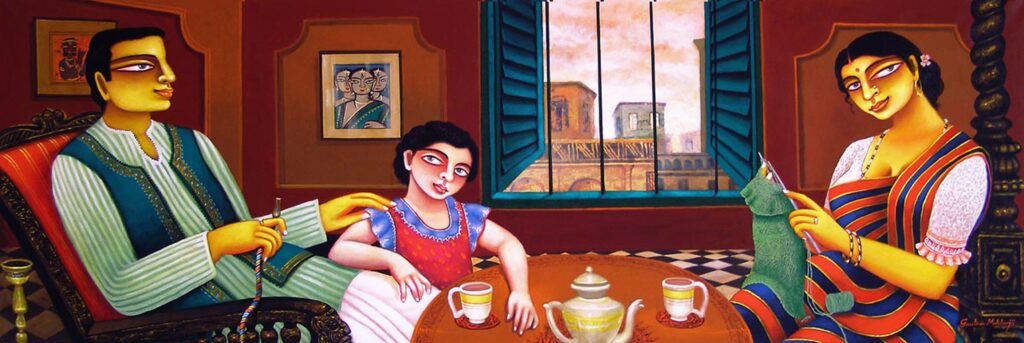
The Emotional Value Behind Memory Centric Artworks
Beyond aesthetics, memory-based artworks provide emotional grounding. They help people strengthen their sense of identity in a world that often feels unstable. For many collectors, these paintings are not just creative investments. They are personal anchors.
A painting that recalls childhood summers reminds someone of their family home. A piece inspired by school life brings back the excitement of youth. A scene from a small town rekindles memories of place and belonging. These feelings create a connection that becomes impossible to ignore.
When art touches memory, it becomes part of the viewer’s inner landscape. This is one of the reasons Memory themes in Indian visual art have found such lasting popularity in the contemporary market.
Why Memory-Based Art Will Continue to Flourish
Trends come and go, but certain artistic impulses remain constant. Memory and nostalgia fall into this category. As long as people continue to reflect on their personal histories, artists will continue to preserve these stories visually.
The demand for artworks that speak to emotion will only grow. Buyers seek meaning, depth and authenticity. They want pieces that reflect their identity and experience. With India’s cultural richness and its long tradition of storytelling, memory-based art will continue to inspire both artists and collectors.
This makes nostalgic artworks an important part of the evolving art market. The themes feel timeless. The stories remain relatable. And the emotional connection sustains long-term value for collectors.
The Lasting Imprint of Memory in Indian Art
The Role of childhood in modern Indian art is far more significant than it appears at first glance. Childhood remains a creative reservoir that shapes how artists build their visual worlds. Nostalgia bridges the distance between past and present, allowing viewers to participate in the stories artists share.
Whether it is through soft colours, abstract shapes, local objects or personal symbols, Indian artists’ childhood nostalgia continues to inspire artworks that appeal deeply to the heart. These artworks remind us that memory is not something we leave behind. It becomes part of how we understand and represent ourselves.
Collectors browsing Mojarto often find that such works hold a certain warmth. They brighten a space not just visually but emotionally. They carry the comfort of familiarity and the thrill of rediscovery.
In the end, nostalgia and memory in Indian canvas art offer something rare. They introduce us to the artist’s past while helping us reconnect with our own. They allow us to see childhood not as something lost, but as something that continues to shape creativity and meaning in Indian visual art today.