
Walk into a room filled with paintings, and your eye will almost always pause at something familiar. Not the loudest canvas or the most dramatic splash of colour. Instead, it lingers on shades that feel grounded. Browns that echo the soil after rain. Muted ochres that resemble desert landscapes. Deep terracotta that reminds you of old brick walls in historic cities.
This quiet pull is not accidental. Across galleries and private collections, Earth tones in Indian paintings continue to attract attention for their calm presence and emotional depth. They do not demand attention in the way bright palettes might. Yet they stay with you longer.
Modern Indian artists have rediscovered the power of these grounded colours. Through subtle textures, layered pigments, and thoughtful compositions, they reveal how a restrained palette can express complex ideas about culture, identity, and everyday life.
For collectors and art enthusiasts exploring Indian contemporary works, earth-toned paintings offer something rare: art that feels timeless while still belonging firmly to the present.
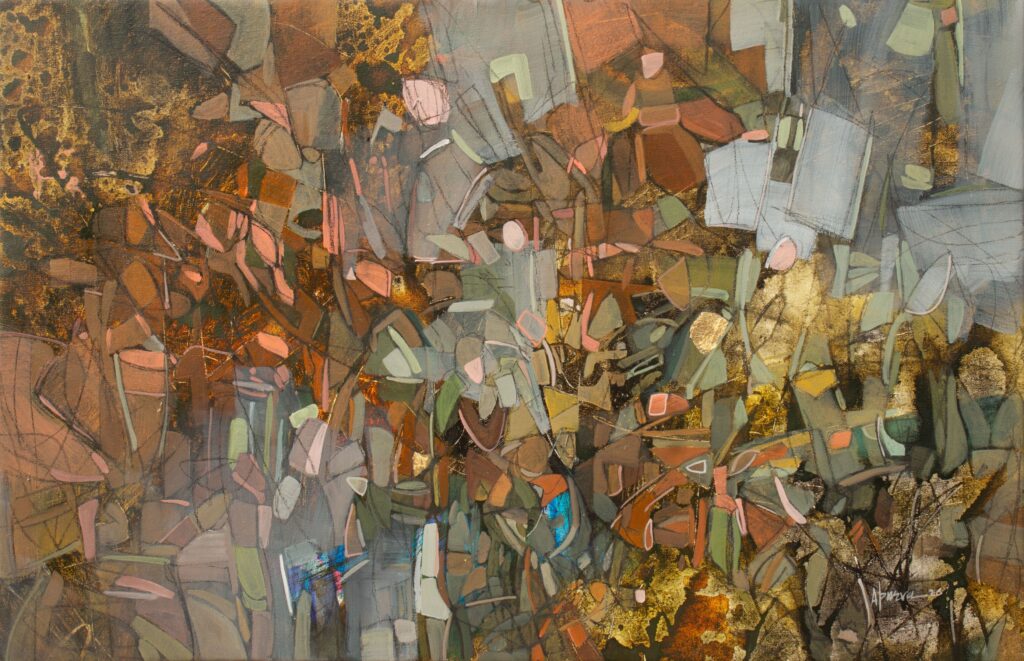
Why Earth Tones Feel So Familiar
There is a reason these colours resonate across cultures. Earth tones are rooted in the natural world. They echo the hues of clay, sand, stone, and wood. In India, these tones have appeared in artistic traditions for centuries.
From ancient murals to tribal paintings, artists often used pigments drawn directly from the land. Natural ochres, burnt sienna, and mineral pigments shaped visual language long before synthetic colours existed.
Today, when viewers encounter Modern Indian art earth tones, they instinctively connect those shades with memory and landscape. The palette feels lived-in. It reflects the colours of village paths, monsoon soil, temple walls, and desert terrain.
This familiarity creates emotional warmth. Instead of overwhelming the viewer, the painting invites quiet observation.
The Quiet Power Behind a Restrained Palette
Many collectors initially assume that minimal colour means minimal impact. In reality, the opposite is often true. When artists work within a narrow palette, every tonal shift becomes meaningful.
A subtle transition from deep umber to dusty beige can create a mood. Layers of rust and clay can suggest time passing across a landscape. Texture becomes more visible. Brushstrokes feel deliberate.
This is where the idea behind the anchor concept, the quiet strength of earth tones in modern Indian paintings, becomes clear.
These works rarely shout. They communicate through atmosphere.
A painting built around soft browns and warm greys can convey reflection, nostalgia, or resilience. Without relying on dramatic colour contrast, the artist builds a narrative through composition and surface.
For viewers, the experience becomes slower and more intimate.
Earth Tones and the Language of Contemporary Indian Art
Indian contemporary artists often balance two influences. On one side stands a rich artistic heritage. On the other hand lies a rapidly evolving visual culture shaped by urban life and global dialogue.
Earth tones help bridge this space.
Within Indian contemporary paintings, earth tones, artists often combine traditional pigments with modern abstraction or figurative experimentation. The result feels both rooted and progressive.
Some painters use earthy palettes to explore rural landscapes that are disappearing due to urban expansion. Others apply these colours to abstract compositions that evoke geological formations or ancient textures.
The palette becomes a storytelling tool. It connects present-day artistic expression with the visual memory of the land.
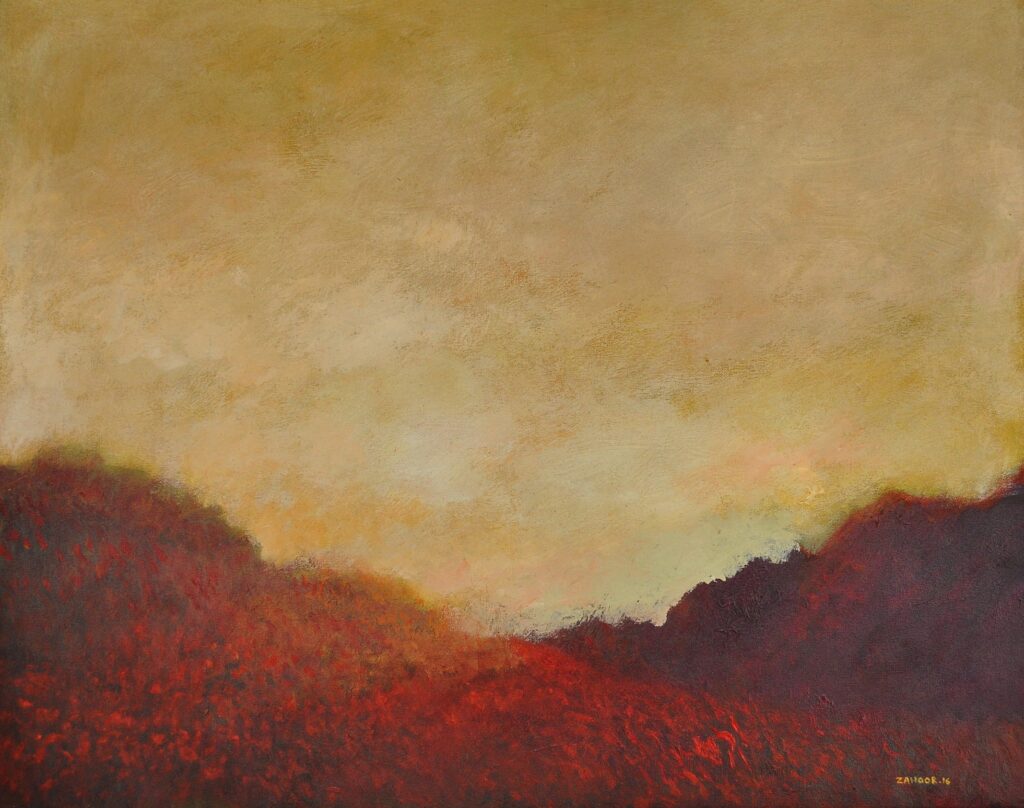
How Texture Enhances Earth Tone Paintings
When colours remain subtle, surface becomes crucial. Many modern artists working with earth tones focus heavily on texture.
Thick brushwork, layered pigment, and rough surfaces give these paintings a tactile presence. Some artists build up the paint to resemble cracked soil or weathered walls. Others blend pigments into soft gradients that feel almost like mist.
Texture invites viewers to look closer.
Instead of reading the painting instantly, the eye moves slowly across the surface. Small details reveal themselves over time.
This gradual discovery adds to the sense of quiet strength within the artwork.
A Palette That Reflects the Indian Landscape
India offers an extraordinary range of natural environments. Desert sands in Rajasthan. Forest soil in central India. Red laterite earth along the western coast.
Artists frequently translate these environments into visual form.
Burnt sienna might echo the Thar desert at sunset. Olive browns may hint at forest shadows. Soft clay tones can recall the walls of traditional homes.
Through these references, Earth tones in Indian paintings become more than aesthetic choices. They function as cultural markers.
Viewers recognise something deeply local within the palette, even when the composition itself is abstract.
The Emotional Appeal for Art Collectors
Collectors often describe earth-toned paintings as calming yet powerful. Unlike highly saturated works that dominate a room, these pieces create atmosphere.
They allow viewers to return to the painting again and again, noticing new nuances each time.
For collectors exploring Modern Indian art earth tones, the appeal lies in their versatility. These works resonate in a wide range of interior spaces and personal collections. Their quiet palette rarely feels overwhelming, yet the emotional depth keeps them engaging.
Another reason collectors gravitate toward such works is their timeless quality. Trends in colour shift frequently in the art world. Earth tones, however, have remained relevant across generations.
Their connection to natural pigments and cultural memory gives them lasting relevance.
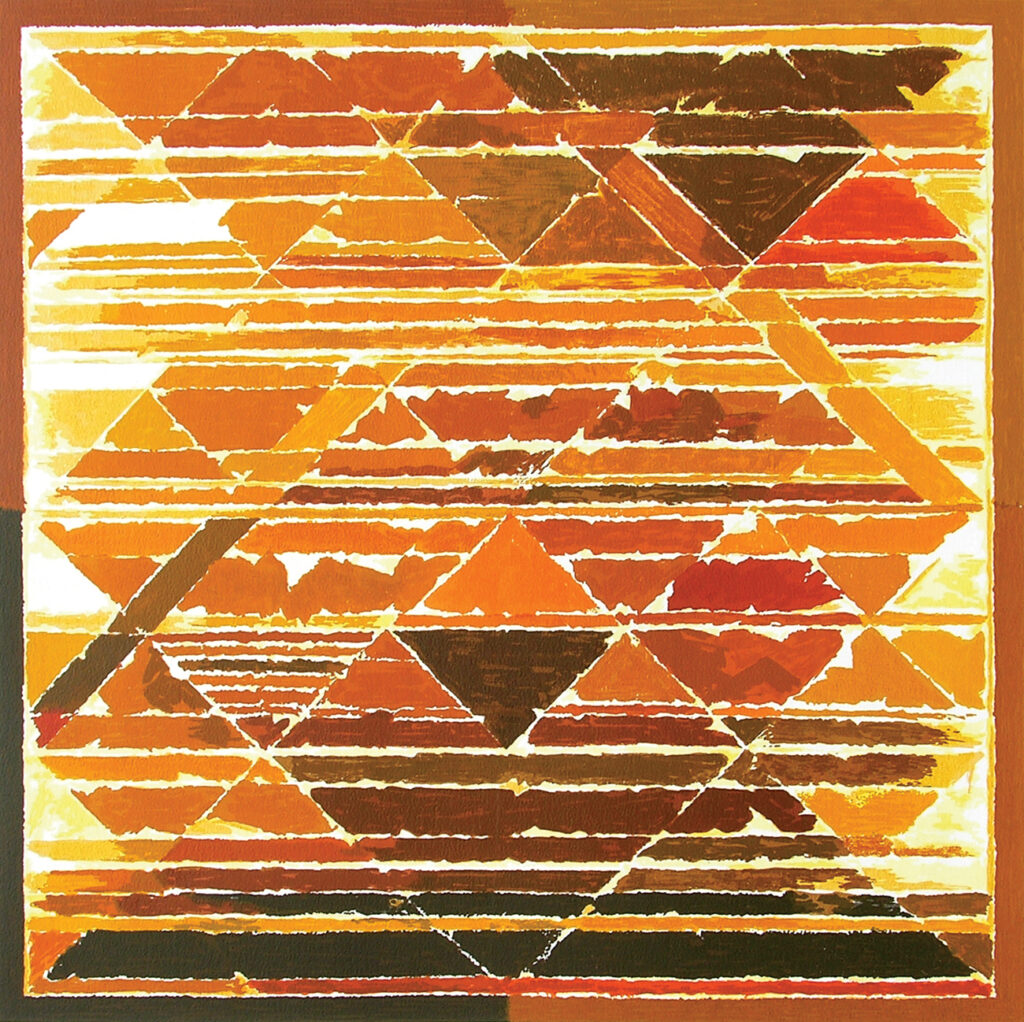
When Simplicity Becomes a Statement
In an era filled with visual noise, restraint itself becomes powerful.
Many contemporary artists intentionally choose earth tones as a reaction to overstimulation in modern life. Screens glow with neon colours. Advertising floods urban environments with bold graphics.
Against this backdrop, a painting built around clay, sand, and ash tones feels almost meditative.
The artist removes distraction and focuses attention on form, gesture, and mood.
This approach reflects the essence behind the anchor concept of the Earth tone palette in contemporary Indian art. The palette allows artists to slow the viewer down. Instead of an immediate visual impact, the painting unfolds gradually.
Cultural Memory Within the Palette
Earth tones also carry historical significance within Indian visual culture.
Traditional building materials such as mud plaster, terracotta, and stone shaped the colour environment of daily life for centuries. Folk and tribal artists often worked with pigments derived from soil or minerals.
When contemporary painters revisit these hues, they tap into a shared cultural memory.
A viewer might not consciously recognise this connection, yet the colours still feel authentic and grounded.
This subtle link between past and present strengthens the emotional resonance of many Indian contemporary paintings’ earth tones.
Earth Tones in Abstract and Figurative Works
One of the most fascinating aspects of earth-toned art is its flexibility across styles.
Abstract painters often rely on earthy palettes to emphasise form and rhythm rather than colour contrast. The restrained tones allow shapes and textures to dominate the composition.
Figurative artists use similar palettes to create a mood around human subjects. A portrait rendered in warm browns and muted ochres can evoke intimacy and introspection.
Landscape artists also embrace earth tones when depicting rural terrain or architectural forms shaped by natural materials.
Across these approaches, the palette remains consistent while the artistic language evolves.
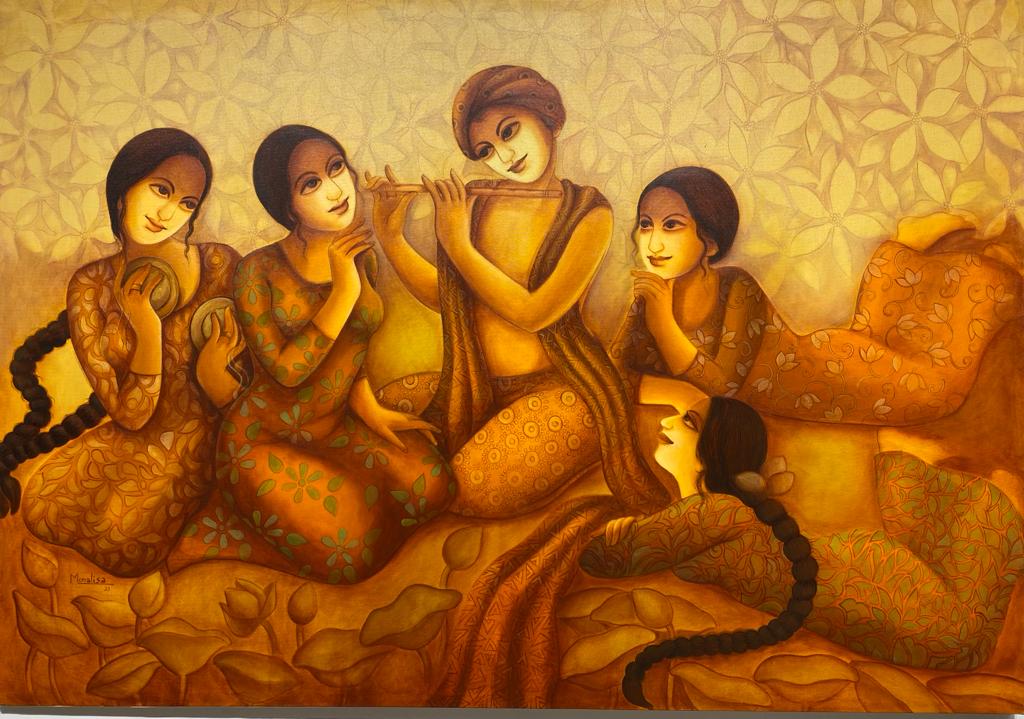
The Mojarto Perspective
Platforms dedicated to contemporary Indian art have played an important role in introducing wider audiences to these nuanced works.
For viewers exploring curated collections on Mojarto, paintings built around earth tones often stand out for their depth and quiet presence.
They represent a thoughtful side of contemporary Indian painting. Instead of relying on spectacle, these works engage viewers through subtlety and atmosphere.
Artists who work with this palette frequently demonstrate a strong sense of material awareness. Their brushwork, layering techniques, and tonal transitions reveal patience and craftsmanship.
For collectors who appreciate art that rewards slow viewing, these works become particularly compelling.
Why Earth Tone Paintings Continue to Matter
Art trends shift constantly. New styles emerge. Digital media influences visual culture. Yet certain artistic approaches remain meaningful because they speak to deeper human instincts.
Earth tones connect viewers to the physical world. They remind us of landscapes, seasons, and materials shaped by time.
Within modern Indian painting, these colours have evolved from traditional pigment sources into a contemporary visual language. Artists reinterpret them through abstraction, symbolism, and experimentation.
This is why the Quiet Strength earth tones art movement continues to attract both artists and collectors.
It offers something rare in a fast-paced visual culture. A moment of stillness.
Final Thoughts
The enduring appeal of Earth tones in Indian paintings lies in their ability to communicate quietly yet powerfully. They reflect the colours of the land, the memory of traditional pigments, and the sensibilities of contemporary artists searching for authenticity.
In modern Indian art, these palettes transform simple shades into layered narratives about culture, landscape, and identity.
When viewers encounter such paintings, the experience often feels different from looking at brighter works. Instead of an immediate impact, there is a gradual unfolding. A sense that the painting is revealing itself slowly.
That subtle dialogue between artwork and viewer is where the true strength of earth tones resides.
They may appear understated at first glance. Yet the longer one looks, the deeper their story becomes.