
For decades, paintings held centre stage in Indian art collections. Oils, acrylics, watercolours and miniatures formed the backbone of personal and institutional collections alike. Today, that landscape is visibly shifting. A new wave of collectors is redefining what it means to own art, and at the heart of this change is the growing appeal of mixed-media works.
Across metros and emerging cultural hubs, mixed media art collectors in India are expanding their vision beyond the canvas. They are choosing works that combine materials, textures, narratives and techniques in ways that traditional formats rarely allow. This shift is not sudden or impulsive. It reflects bigger changes in how Indian collectors think about creativity, identity, space and long-term artistic value.
At Mojarto, this evolution is not just observed; it is actively shaping the platform’s growing community of artists and collectors.
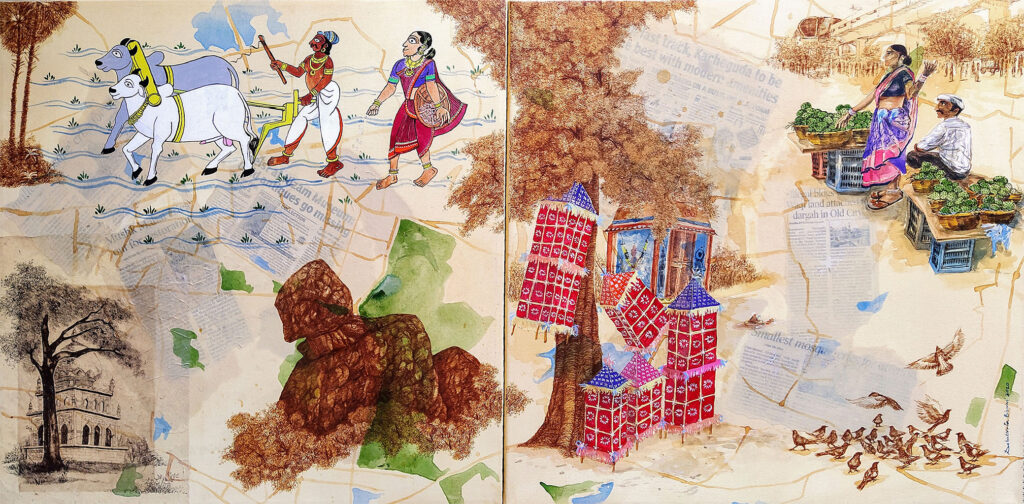
A Changing Collector Mindset in India
Indian collectors today are far more informed and globally connected than previous generations. Exposure to international exhibitions, biennales, museum practices and digital storytelling has widened aesthetic preferences. The result is a collector who is no longer satisfied with visual beauty alone. They seek depth, experimentation and context.
Paintings still matter, but they are no longer the default choice. Collectors are now asking different questions. What story does the work tell? How does it reflect the artist’s process? Does it challenge familiar ideas or invite repeated engagement?
Mixed media art answers these questions with ease. By combining materials such as paper, textiles, found objects, ink, metal, photography or digital elements, artists create layered works that reward slow looking and thoughtful interpretation.
This is one of the key reasons Indian art collectors’ mixed media works are increasingly seen as intellectually engaging rather than purely decorative.
Mixed Media Art as a Reflection of Contemporary India
India itself is layered, complex and constantly evolving. Mixed media art mirrors this reality in a way few other formats can. Contemporary Indian mixed-media artists often draw on urban life, memory, politics, folklore, migration, architecture, and personal history, weaving these influences into a single surface.
Unlike conventional paintings, mixed media allows artists to blur boundaries. A work might combine hand-drawn imagery with printed text, recycled materials with traditional motifs, or modern symbols with references to ancient narratives. This resonates deeply with collectors who see their own lives reflected in such intersections.
For many buyers, mixed media art feels more honest and more representative of modern Indian experiences. It does not attempt to simplify or beautify reality. Instead, it holds contradictions together and invites dialogue.
This emotional and cultural relevance plays a major role in why mixed media art is popular with collectors, especially those building thoughtful, long-term collections.
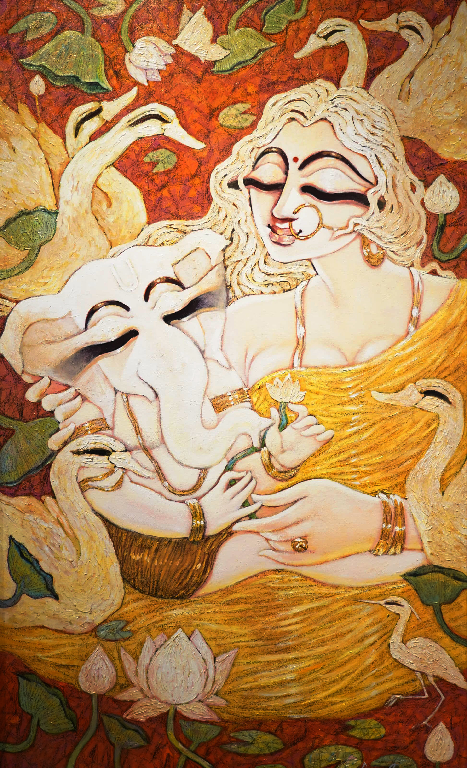
From Decor to Dialogue: Art That Starts Conversations
Another reason collectors are moving beyond paintings is the desire for art that does more than fill a wall. Mixed media works naturally provoke curiosity. The materials used, the textures visible on the surface and the unconventional compositions often lead viewers to pause, question and discuss.
For collectors who enjoy hosting conversations around art, mixed media becomes a powerful medium. It encourages interpretation rather than passive viewing. Each layer can suggest a different meaning, and no two viewers read the work in exactly the same way.
This quality is particularly appealing to younger collectors and professionals who see art as an extension of their worldview. They are less interested in safe choices and more drawn to works that feel personal and challenging.
Mixed media artworks for modern Indian homes fit seamlessly into this mindset, offering visual interest while maintaining conceptual depth.
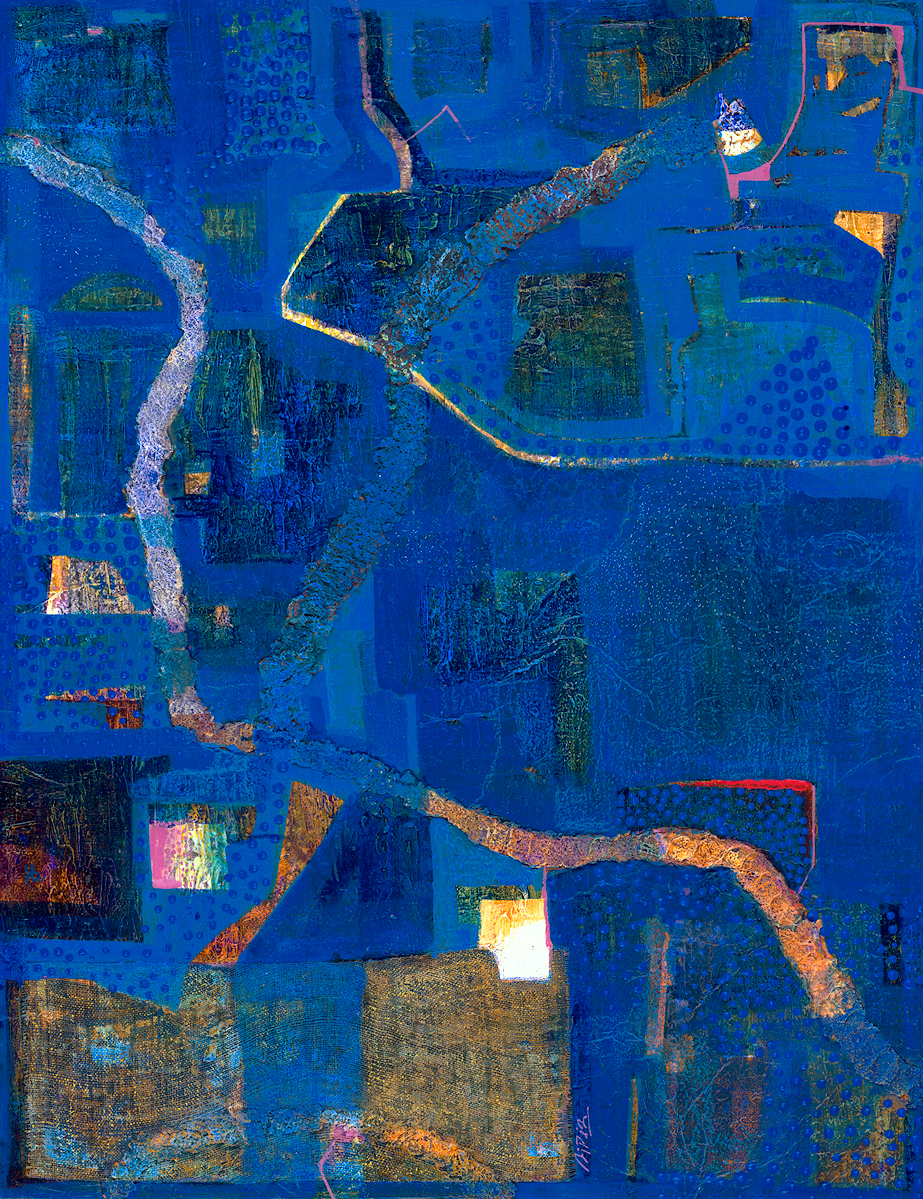
The Rise of Contemporary Indian Mixed Media Artists
India’s mixed media art movement is being shaped by a diverse group of artists working across generations. Some come from formal fine art backgrounds, while others transition from design, architecture, printmaking or illustration. What unites them is a willingness to experiment and push material boundaries.
Many contemporary Indian mixed media artists are also strong storytellers. They use materials symbolically, selecting each element for its cultural or emotional significance. A torn newspaper might speak of political unrest. A stitched textile could reference domestic labour or inherited traditions. A layered surface might reflect memory or time.
Collectors increasingly value this intentionality. They appreciate knowing that every material choice serves a purpose and contributes to the overall narrative of the work.
Platforms like Mojarto play a crucial role here by presenting these artists with context, allowing collectors to engage not just with the artwork, but with the ideas behind it.
Mixed Media art and the Sense of Discovery
There is also a sense of discovery that comes with collecting mixed media. Unlike traditional paintings, where techniques and formats are often familiar, mixed media offers constant surprise. Each work feels unique, not just in imagery but in construction.
Collectors often describe their first mixed media art acquisition as a turning point. It changes how they view art and opens them up to new forms of collecting. This is especially true for those who have already built a foundation of paintings and are now seeking diversity within their collections.
For seasoned collectors, mixed media adds balance. For first-time buyers, it offers an entry point into contemporary art that feels accessible yet distinctive.
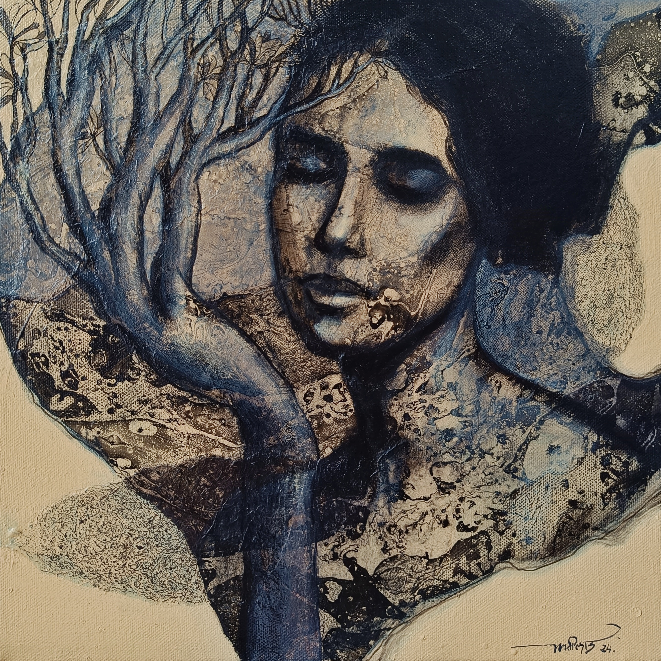
Midnight Whisper by Bhakti Lad
Investment Value Beyond Trends
While emotional connection remains the primary driver, collectors are also conscious of long-term value. Mixed media works by established and emerging artists are gaining recognition in exhibitions, auctions and critical writing. This visibility strengthens confidence among buyers.
Importantly, mixed media is not viewed as a passing trend. It has become a serious and respected practice within Indian contemporary art. As artists continue to innovate and institutions acknowledge the medium, its relevance only grows.
Collectors who understand this trajectory see mixed media as a way to future-proof their collections. They recognise that works grounded in strong concepts and craftsmanship tend to hold significance over time, regardless of shifting tastes.
Living With Mixed Media Art
Modern Indian living spaces have also influenced this shift. Homes today are designed with openness, natural textures and personal expression in mind. Mixed media artworks complement these environments beautifully.
Their tactile surfaces and layered compositions add warmth and character without overpowering a space. Whether displayed in a minimalist apartment or a more eclectic home, mixed media adapts effortlessly.
Collectors often note that these works reveal new details over time. A texture catches light differently during the day. A hidden element becomes noticeable after months. This evolving relationship keeps the artwork alive within the home.
Mojarto’s Role in This Artistic Shift
Mojarto has emerged as a trusted destination for collectors seeking meaningful contemporary art. By showcasing a curated selection of mixed media works, the platform connects collectors with artists who are redefining Indian art practices.
What sets Mojarto apart is its focus on storytelling and credibility. Each artwork is presented with clarity, allowing collectors to understand the artist’s journey and intent. This transparency builds confidence, especially for those exploring mixed media for the first time.
For mixed media art collectors in India, Mojarto offers access to a thoughtfully curated ecosystem rather than a generic marketplace.
A Collector’s Journey, Not a Transaction
Ultimately, the move beyond paintings is not about rejecting tradition. It is about expanding perspective. Indian collectors are embracing mixed media because it aligns with who they are today: curious, layered, and engaged with the world around them.
They are choosing works that feel alive, works that reflect complexity rather than comfort. Mixed media allows them to build collections that are deeply personal, intellectually rich and culturally relevant.
As this movement continues to grow, it is clear that mixed media is no longer on the margins of Indian art. It sits confidently at the centre of contemporary collecting, shaping the future of how art is seen, lived with and valued.
For those ready to explore art beyond the expected, mixed media offers not just variety, but meaning. And that is precisely why it has captured the attention of India’s most thoughtful collectors.