
There is a certain quiet magic in the way Indian artists respond to the rhythms of daily life. For many painters working today, rituals are not formal ceremonies held in temples but gestures woven into the ordinary. A lamp lit at dusk, a rangoli brushed onto the floor, the rustle of prayer threads tied around a wrist, the slow swirl of incense. These small acts of devotion shape how millions experience the world every morning and evening. They also shape how artists see. It is within these moments that Indian contemporary paintings finds its emotional pulse.
At Mojarto, we notice something significant. Collectors are increasingly drawn to artworks that feel rooted in lived traditions. Paintings that echo the everyday spirituality that still guides Indian households. This shift is not a trend floating on the surface. It reflects a deeper longing for grounding, a desire to reconnect with symbols and gestures that have shaped families for generations. Artists feel this as well, which is why many of the most intriguing works today draw heavily from rituals, both personal and community-based.
This connection between ritual and creativity is not new. It runs through Indian art history, yet contemporary painters reinterpret it with a sense of intimacy and relevance. For viewers exploring Everyday spirituality in Indian contemporary Paintings, the appeal lies in how these works feel simultaneously familiar and renewed. They carry a cultural memory yet speak in a language shaped by modern life.
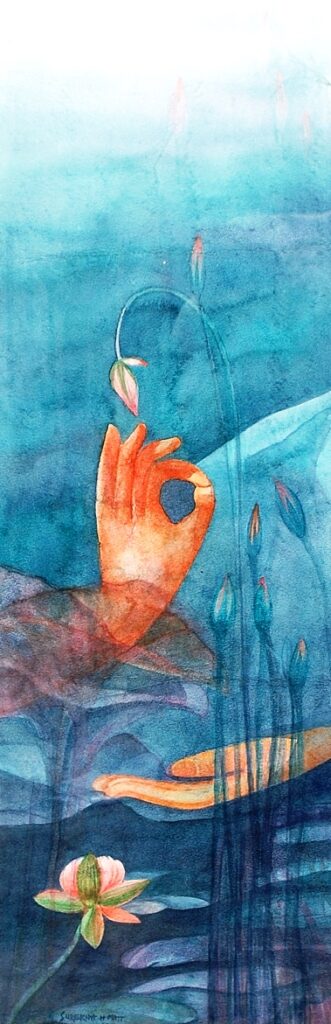
Rituals as the Starting Point of Imagination
When many think of rituals, they imagine formal prayer rooms or religious gatherings. But for artists today, rituals are simply the actions that anchor their day. Tea brewing before sunrise, touching a threshold before stepping out, lighting a diya for no grand reason at all. These gestures become metaphors for continuity.
Painters often speak about how these small experiences let them slow down and observe the world more carefully. Some begin their canvases after following their own morning practices, letting the calm they feel seep into the strokes of their brush. This sense of mindfulness is at the core of Indian Contemporary Paintings inspired by rituals. It is not about recreating religious scenes but about capturing the state of mind that rituals create.
For example, an artist might paint the soft orange glow of early dawn as a memory of their grandmother’s devotional singing. Another may use repeated brush patterns that mimic the cyclical, meditative motions of aarti. Someone else may explore personal rituals that have nothing to do with temples, such as arranging objects before working or sitting by a window at the same hour each day. These paintings invite viewers to recognise the rituals in their own lives and see how they offer stability in a fast-moving world.
Spirituality Through Everyday Objects
One of the most captivating aspects of Spirituality in Indian contemporary paintings today is how commonplace objects become carriers of emotion. A simple brass pot is never just a vessel. A coconut on a plate, marigold petals scattered on a tiled floor, or a prayer book left open on a table tell stories about habits, families, hopes, and memories.
Many contemporary artists deliberately shift the spotlight from grand themes to these objects. By doing so, they bring spiritual experience closer to the viewer. These works remind us that ritual is not defined by scale. It thrives in the small corners of a home.
When collectors browse Mojarto, they often pause at paintings that use these familiar motifs with sensitivity. It feels personal, even comforting. Whether you come from a metropolitan home or a small town, the visual language of these objects is shared across regions. This is precisely why artworks rooted in everyday rituals resonate so strongly with people from different backgrounds.
The Cultural Weight of Repetition
One guiding feature of ritual practice is repetition. These acts gain meaning because they return each day. This repetition also influences artistic technique. Many painters working within Rituals in Indian contemporary paintings embrace rhythmic patterns, loops, or layered strokes that echo the steady cycle of ritual.
This technique often brings a meditative quality to the artwork. Viewers sense it even if they do not fully analyse the process. There is a quiet order that calms the eye. Some artists even use this repetition as a way of reflecting on their own relationship with faith, identity, and memory. They do not paint rituals as they are seen, but as they are felt.
In many cases, this repetition is expressed through colour as well. Earthy tones, shades of vermilion, turmeric yellow, and deep indigo often appear. These are not chosen for symbolic reasons alone. They are part of the visual memory of Indian ritual spaces. Viewers respond to this familiarity, often without realising why these palettes feel so comforting.

Personal Rituals and the Artist’s Inner World
India’s contemporary painters are not limited to community rituals. Their personal rituals, the ones shaped by their own experiences, become rich sources of inspiration. These are sometimes rooted in habit, sometimes in emotion, and sometimes in memory.
Some artists paint their daily ritual of journaling or their practice of collecting objects from walks. Others explore rituals formed during childhood, such as helping elders prepare for festivals or observing ancestral traditions. These memories surface on the canvas as fragments of colour, symbols, gestures, or even abstract shapes that carry emotional weight.
This approach adds a deeply intimate voice to Indian contemporary paintings. Viewers feel as if they are entering someone’s inner landscape. This authenticity is what makes contemporary paintings so engaging and relevant. They are not simply decorative works. They carry layers of meaning that unfold slowly.
Community Rituals as Shared Identity
While personal rituals bring individuality to artwork, community rituals bring a sense of shared belonging. India is a mosaic of customs, each region with its own traditions, ceremonies, and festivals. Painters today spend time observing how these communal experiences are changing in modern urban life.
For example, many works explore how festival rituals have moved from extended family courtyards to compact apartments. Others depict the mingling of traditional and contemporary practices as younger generations reinterpret old customs. There is often a sense of nostalgia balanced with curiosity for how rituals will evolve in the future.
These paintings do not romanticise the past. Instead, they highlight the beauty of continuity even within change. This narrative is powerful for viewers who feel both connected to their heritage and shaped by modern circumstances. When they encounter these works on Mojarto, it feels like a reflection of their own journey.
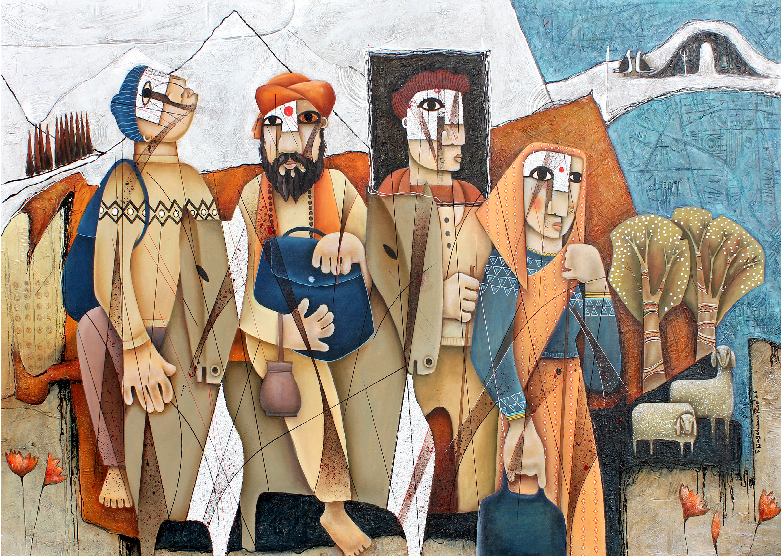
Symbols That Carry Generations of Meaning
Symbols are another essential aspect of artworks rooted in ritual. Artists use them thoughtfully, not as decoration but as extensions of emotion. Lotus flowers, lamps, conch shells, bells, and prayer beads appear often, each carrying layers of cultural memory.
The meaning of these symbols shifts depending on the artist. Some use them in realistic forms, while others reimagine them in abstract compositions. Either way, these symbols help artworks communicate across generations. A collector may see a lotus and recall early morning temple visits growing up. Another may see a conch shell and think of festive gatherings or coastal traditions.
This symbolic language is part of why Indian art rituals continue to inspire new creative directions. These symbols act like stepping stones that connect the past with the present.
Why Collectors Gravitate Toward Ritual-Inspired Art
Collectors visiting Mojarto often share that artworks rooted in ritual bring a sense of peace to their spaces. They feel grounded when surrounded by paintings that reflect familiar traditions or evoke cherished memories.
There is also a deeper reason behind this interest. Ritual-inspired artworks offer reassurance in unpredictable times. They remind viewers that even when life moves quickly, there are practices and beliefs that remain steady. Many collectors want their homes to reflect this feeling of steadiness.
Another factor is emotional relevance. Art rooted in rituals often sparks conversation. Families share personal stories when they encounter these works. These exchanges make the artwork feel alive, continuing to inspire reflection long after the first viewing.
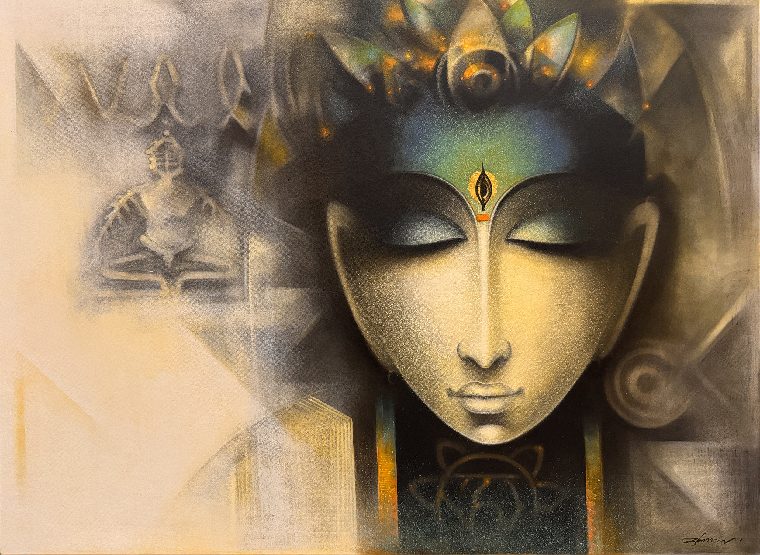
Contemporary Reinterpretations of Ancient Practices
What makes today’s ritual-inspired art compelling is not its connection to tradition alone. It is the way artists reinterpret these traditions with fresh ideas. They experiment with textures, minimalism, symbolism, or abstraction while still staying connected to cultural memory.
For example, an artist may portray a lamp using bold, geometrical forms. Another may take a traditional ritual space and break it into colour fields that evoke emotion rather than literal imagery. These reinterpretations keep ritual-based art relevant to a modern audience.
This adaptability is why Indian contemporary spiritual art continues to thrive. It creates a bridge between ancient practices and contemporary aesthetics, allowing viewers to engage with tradition through a new lens.
Rituals as a Path to Self-Reflection
Many viewers find that ritual-inspired paintings spark introspection. They encourage people to notice the quiet moments that shape their own day. The simple act of pausing to admire a painting becomes a kind of ritual in itself.
Artists often share that their work helps them process emotions, seek clarity, or express gratitude. Collectors sense this sincerity. It makes the art feel honest and grounded. For many, discovering Everyday spirituality in Indian contemporary art is also a way of discovering their own connection to the present.
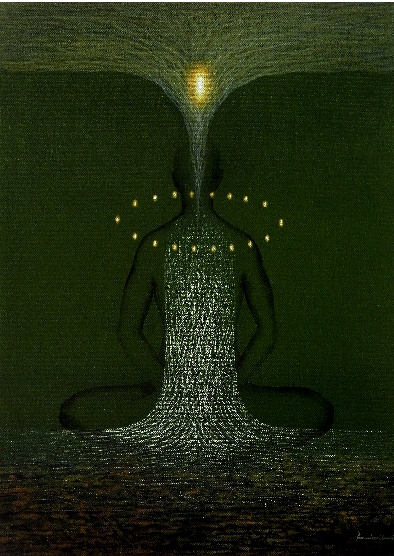
The Future of Ritual-Inspired Art in India
As India evolves, so do its rituals. What remains constant is the need for meaning and connection. Artists will continue responding to this need through new interpretations, techniques, and stories.
The future of ritual-inspired art lies not in recreating what has already been done but in exploring how contemporary life shapes spiritual experience. Viewers can expect to see more artworks that blend personal rituals with cultural symbols, urban lifestyles with ancient practices, and modern forms with timeless emotions.
Collectors looking for pieces that carry depth, familiarity, and emotional warmth will continue to find compelling works within this genre on Mojarto.
Closing Thoughts
Art inspired by rituals offers a gateway into how India experiences devotion, memory, and identity. These paintings are not just visual narratives. They are reflections of a country where spirituality is part of everyday life. From personal habits to community gatherings, from childhood memories to present-day routines, rituals shape how people live and how artists create.
For viewers and collectors, exploring Contemporary Indian art inspired by rituals is more than a cultural experience. It is a reminder of what anchors us. A reminder that beauty often lives in the simplest gestures.
On Mojarto, you will find a wide range of artworks that carry this quiet power. Each piece invites you to pause, breathe, and rediscover the rituals that shape your own life.