
There was a time when bold palettes and bursts of colour dominated the art scene. Artists reached for vibrancy, collectors looked for saturation, and galleries were drenched in chromatic energy. But lately, something quieter, more introspective, has begun to turn heads — the monochrome canvas painting.
What once seemed minimalist now feels magnetic. From studios in Delhi and Mumbai to international art fairs, collectors and curators are gravitating toward monochromatic art that speaks through restraint rather than riotous colour. This understated aesthetic, rich in depth and emotion, has become one of the most intriguing art movements of recent years.
For a platform like Mojarto, where originality and artistic expression take centre stage, this resurgence of single-tone painting offers an exciting window into the evolving taste of modern art lovers, people who no longer equate beauty with excess, but with focus and feeling.
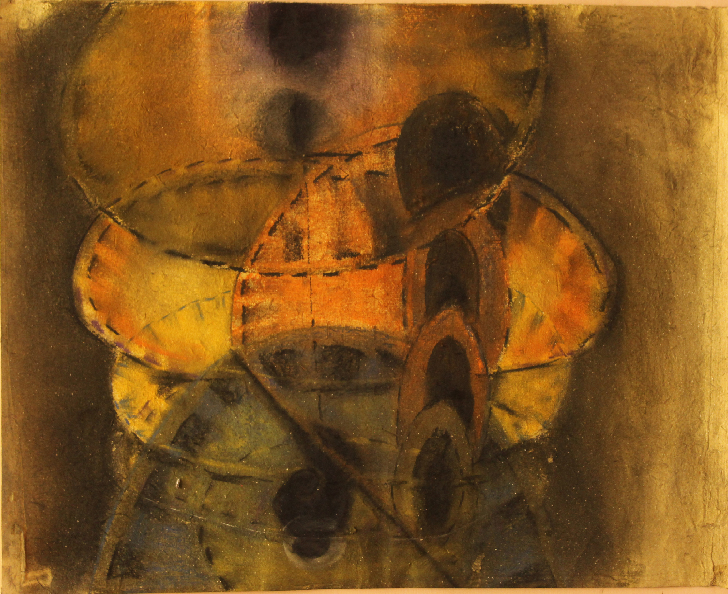
The Subtle Power of Limitation
Colour is one of the most powerful tools in an artist’s arsenal. Yet when artists restrict themselves to just one hue, they unlock something surprisingly liberating, a kind of focus that draws attention to texture, movement, and the emotional essence of form.
A monochrome canvas painting challenges both the creator and the viewer. Without the distraction of varied colours, the eye becomes more attuned to details: the brush’s rhythm, the density of pigment, the play of light across the surface. Every stroke becomes meaningful.
In the same way that silence in music amplifies emotion, the simplicity of tone in single-tone painting allows mood and thought to resonate more deeply. The painter no longer hides behind colour. Instead, they must rely on mastery of shadow, gradient, and texture to evoke emotion.
The Allure of Black and White Canvas Art
Among all variations of monochrome, black and white canvas art has a timeless magnetism. It evokes nostalgia while feeling unmistakably modern. Black commands presence; white offers space for thought. Together, they create an eternal dialogue between absence and presence, void and expression.
From the early explorations of Kazimir Malevich to the minimal gestures of Indian modernists, black and white compositions have been a way to strip painting down to its essence. Today, artists on Mojarto continue this lineage, producing works that reveal how much can be said with the simplest palette imaginable.
Unlike colour-heavy pieces that demand attention, black and white art draws the viewer inward. It’s contemplative, almost meditative. Whether abstract or figurative, grayscale painting techniques highlight how tonal balance can replace colour contrast as the main force of emotion.
The Rise of Minimalist Monochrome Art
Minimalism has found a new rhythm in contemporary art circles, and minimalist monochrome art has emerged as its most poetic expression. Collectors today are increasingly drawn to artwork that feels serene and intelligent, pieces that don’t overwhelm a space but elevate it.
What makes this movement special is its ability to merge simplicity with sophistication. Artists explore subtle gradations within a single hue, using shadow and light to bring structure and tension to the surface. The outcome is both tranquil and powerful; a style that complements modern interiors and philosophical minds alike.
For viewers, these artworks serve as mirrors of contemplation. They invite stillness. They remind us that beauty often lives in the spaces between.
Contemporary Monochrome Art: Where Tradition Meets Innovation
The global art world is witnessing a fascinating revival of contemporary monochrome art, blending classic restraint with modern experimentation. Indian artists, too, are contributing distinct perspectives to this dialogue.
In India, where colour has always been culturally abundant, from textiles to temple murals, the turn toward monochrome is not a rejection of tradition, but a reinterpretation of it. Artists are exploring the emotional weight of limited palettes, finding meaning in subtlety rather than spectacle.
Through platforms like Mojarto, collectors are discovering how these single-hue expressions reinterpret both global and local narratives. A graphite-grey portrait can capture solitude as powerfully as any vivid abstract; a cobalt-toned landscape can feel both grounded and surreal.
This quiet rebellion against overstimulation mirrors broader cultural shifts. In a world flooded with visuals, monochrome offers a pause, a visual breath that speaks louder than chaos.
Why Collectors Are Turning Toward Single Hue Artwork
Art collecting, like any form of cultural appreciation, moves in waves. The current wave, however, isn’t about extravagance; it’s about essence. Single hue artwork is now seen as a statement of taste and restraint.
Collectors value these works for several reasons:
- Versatility: A monochrome piece blends effortlessly with diverse interiors, whether traditional or modern.
- Emotional depth: Without colour distraction, emotion becomes raw and direct.
- Timeless appeal: Trends come and go, but the elegance of a single-tone composition remains eternal.
- Focus on skill: A tonal value painting reveals an artist’s command of structure, depth, and light elements that colour can often mask.
For emerging and established collectors alike, these paintings embody a kind of visual mindfulness. They create calm spaces and encourage reflection, qualities increasingly sought after in modern living.
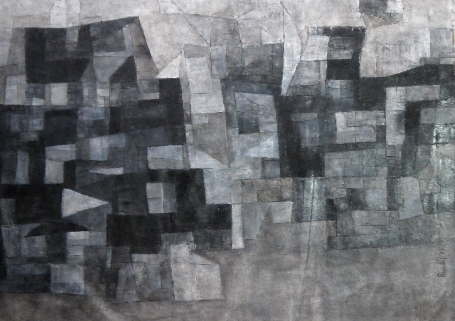
Exploring Grayscale Painting Techniques: The Artist’s Craft
Working in grayscale demands both discipline and intuition. Artists rely on tonal shifts, layering, and contrast to bring the illusion of dimension and texture. A monochromatic art piece might appear simple at first glance, but beneath that simplicity lies remarkable complexity.
Artists often begin by choosing a single base tone: black, sepia, indigo, or grey, and then explore its range of values. The slightest variation in density or texture can change the emotional temperature of a piece. This level of precision separates monochrome masters from casual practitioners.
The beauty of grayscale painting techniques is that they transform limitation into innovation. Every brushstroke becomes a conversation between light and shade, discipline and emotion. When executed well, the result feels timeless, quietly commanding attention without demanding it.
The Emotional Resonance of Monochrome
Why does a single-tone canvas evoke such strong reactions? Perhaps it’s because monochrome mirrors life’s paradoxes: simplicity and complexity, emptiness and fullness, silence and meaning. A monochrome canvas painting doesn’t just decorate; it engages the soul.
Psychologically, minimal colour palettes calm the mind. They help viewers focus, slow down, and perceive subtleties they might otherwise overlook. This emotional clarity makes monochrome art especially powerful in a world overloaded with visual noise.
Whether it’s the soft gradient of charcoal, the muted glow of graphite, or the stillness of white-on-white texture, these works whisper where others shout, and in doing so, they linger longer in memory.
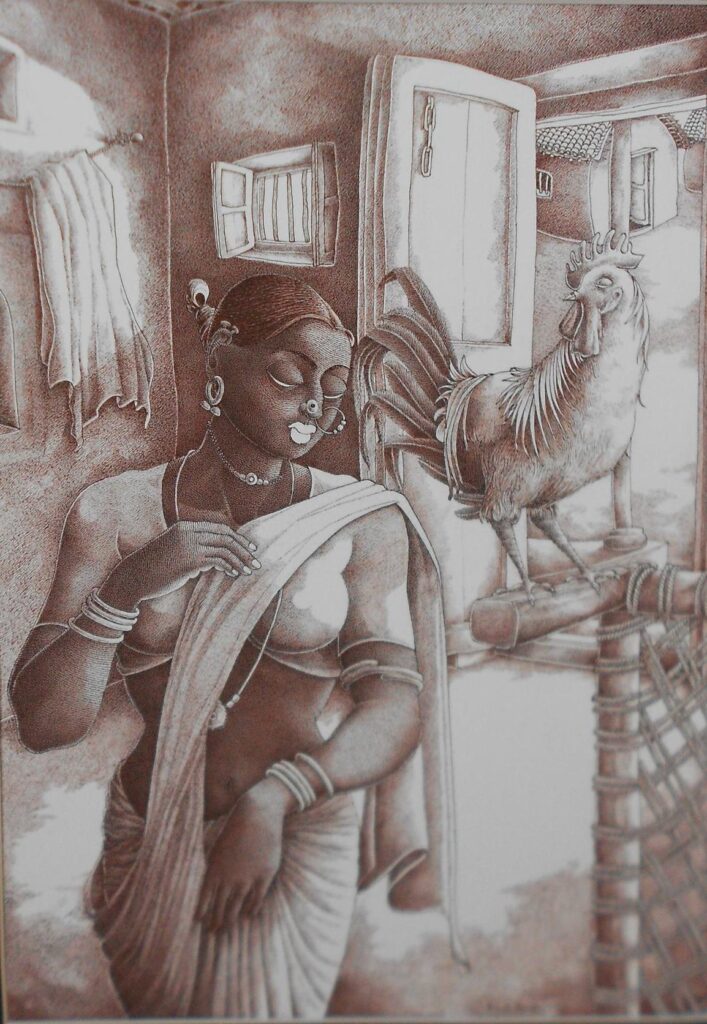
Monochrome in Modern Interiors
Designers are increasingly turning to single-tone painting to enhance sophisticated spaces. A large monochrome canvas can anchor a room without clashing with its palette. In minimalist homes, it becomes a focal point of calm. In vibrant settings, it provides balance and contrast.
But more than decoration, these artworks bring mood, a quiet narrative that unfolds differently for each observer. That’s what makes them so versatile. Whether you’re a seasoned collector or discovering contemporary art for the first time, monochrome works have a way of fitting seamlessly into any visual story.
A Market Trend That Reflects Mindful Living
The renewed interest in monochrome canvas painting isn’t just aesthetic; it reflects broader cultural and emotional shifts. People are seeking stillness, clarity, and authenticity in both their lifestyles and their living spaces.
The popularity of monochromatic art aligns with the global rise of mindful consumption. Rather than collecting for quantity, art enthusiasts today seek meaning. They look for works that spark introspection, not distraction.
In that sense, monochrome art is more than a visual statement. It’s a lifestyle statement, one that values balance, thought, and timeless design over fleeting trends.
Mojarto: A Window Into Modern Simplicity
At Mojarto, this evolution in taste finds a vibrant home. The platform celebrates artists who bring innovation through restraint, who explore form and feeling through limitation.
For art lovers, Mojarto makes discovering these works effortless. The collection spans the breadth of India’s most thoughtful creators, each offering their own take on single-hue artwork, from meditative grayscale abstracts to bold, high-contrast compositions.
These pieces are not merely decorative; they are contemplative experiences meant to be lived with, not just looked at. Whether you’re drawn to the quiet power of minimalist monochrome art or the bold energy of stark black and white contrasts, Mojarto’s curated collection reveals how much depth a single tone can hold.
Looking Ahead: The Future of Tonal Expression
If history teaches anything, it’s that art movements often cycle between complexity and clarity. The rise of contemporary monochrome art marks a moment of clarity, one that is likely to influence both creators and collectors for years to come.
As technology floods our senses with endless imagery, the value of stillness grows. In that stillness, monochrome art thrives. It invites pause, thought, and balance, qualities that feel increasingly rare and valuable.
For artists, it’s an opportunity to explore mastery in limitation. For collectors, it’s a chance to own something quietly revolutionary. And for audiences, it’s a visual language that speaks directly to the heart, without ever raising its voice.
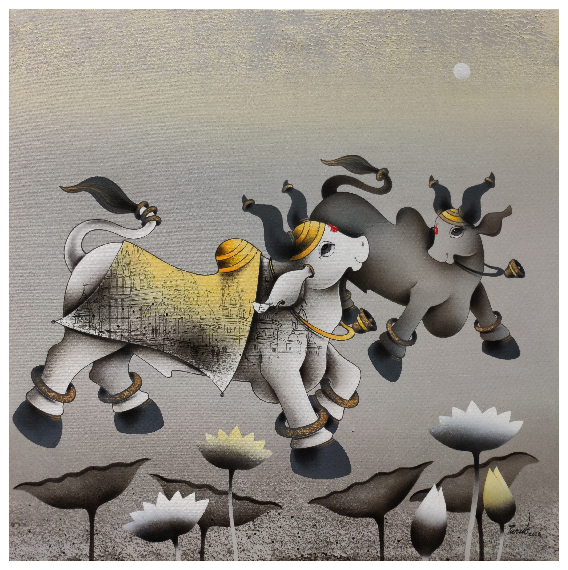
Final Reflection
The resurgence of monochrome canvas painting isn’t merely a style shift; it’s an emotional and cultural realignment. It’s art returning to essence — to tone, texture, and truth.
Every shade of grey, every gradient of black, every whisper of white carries meaning beyond pigment. In the simplicity of a single tone lies infinite expression.
As more collectors and curators recognise this quiet strength, monochromatic art continues to redefine what it means to see and to feel. Through its focused palette, it reminds us that sometimes, the most powerful statements are made in the softest tones.