
When you step into a space and feel drawn to a painting not just by its colour, but by its surface, its depth, the very sense of material beneath your eyes, you’re experiencing what makes textured art so compelling. The walls still dazzle with colour, but look a little closer, and you’ll see paint thickening into ridges, pigments merging with cloth, paper, or sand. Some canvases even carry a shadow that changes as you move. What’s happening isn’t just about technique; it’s about feeling.
Texture has begun to take centre stage in Indian contemporary art, breathing new life into the traditional canvas. Artists are no longer content with smooth perfection. They want grit, weight, and presence. They want you to feel the work before you even interpret it.
This movement, rooted in textured Indian canvas art, has become the new language of depth — a kind of visual poetry that whispers of process, memory, and emotion.
The Rise of Texture in Indian Painting
For decades, much of modern Indian art revolved around colour and composition. Artists like Raza and Husain built worlds from pigment alone. But the new generation, from experimental urban painters to regional creators blending local materials, is embracing texture in Indian painting as a way to add meaning beneath the visible layer.
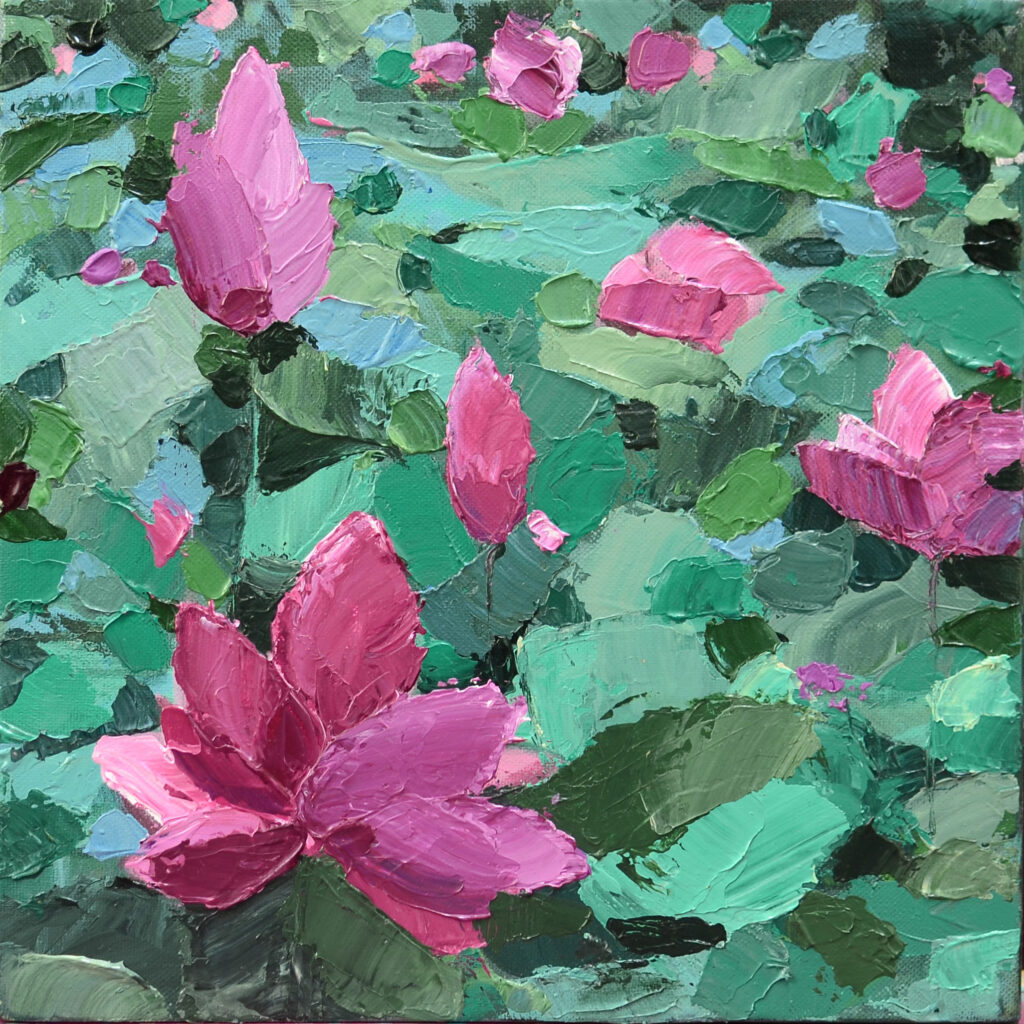
Texture, in its truest sense, is not decorative. It is an act of truth-telling. When an artist scrapes paint, piles it on with a knife, or presses fabric into a canvas, they’re leaving behind a record of energy and thought. The surface becomes a map of intention, sometimes chaotic, sometimes meditative.
This is what collectors on Mojarto have begun to notice: that a textured artwork doesn’t just show something; it remembers something. Each ridge, crack, and layer carries an echo of the artist’s hand.
From Visual to Tactile: A Shift in Sensibility
Indian artists are known for their storytelling. Even abstract works here tend to hold narrative undercurrents. But with texture, stories are no longer painted, they’re built.
Artists are using layering as a metaphor for India itself: layered histories, layered emotions, layered selves. The phrase layered meanings in art feels particularly apt for this moment. Through thickened strokes, collaged material, or uneven application, painters are exploring ideas of time, decay, renewal, and identity.
The tactile dimension has become almost spiritual —a way to connect the seen and the felt. Viewers are responding to this shift instinctively. There’s a growing appreciation for works that possess physicality, that seem alive when the light shifts or when you walk around them.
That’s the quiet power of tactile art. India is now producing art that holds your attention because it isn’t just looked at, it’s sensed.
Materiality and the Indian Mindset
India has always had a deep relationship with material. From stone and clay to fabric and metal, our creative traditions have long celebrated the physical touch of the maker. The idea of materiality in Indian painting is not new; it’s a continuation of that lineage, adapted to canvas.
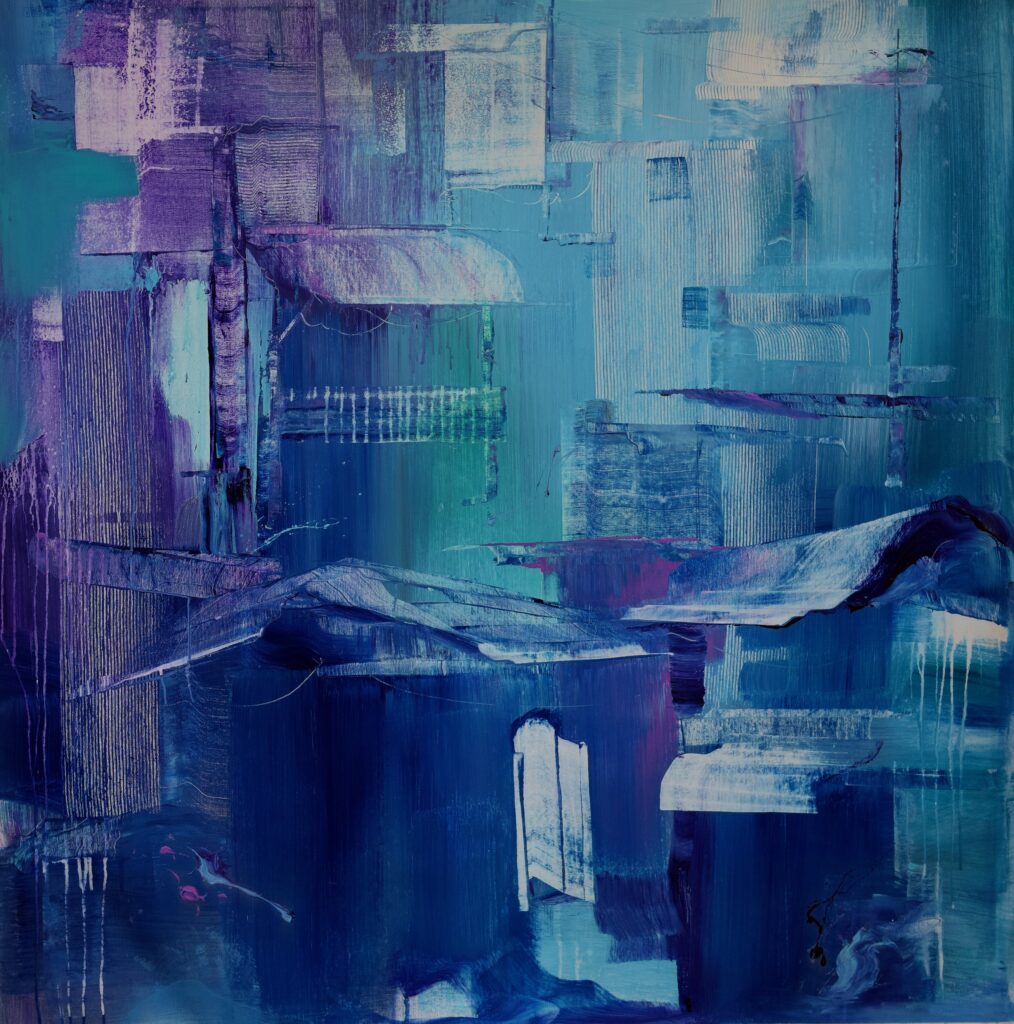
Artists today are mixing traditional techniques with global influences. Some embed handmade paper into acrylic, others mix soil or jute into their pigments. The results are artworks that feel rooted in the earth while speaking a contemporary visual language.
For instance, in certain mixed-media texture Indian art pieces, you might find the remnants of old textiles or fragments of printed words layered beneath paint. These embedded materials tell stories that words cannot.
What makes this movement particularly Indian is its emotional honesty. The imperfections are intentional. The artist allows the medium to speak, to react, to breathe.
Why Collectors Are Drawn to Textured Works
From a collector’s standpoint, textured pieces are more than just visually appealing; they offer an experience that unfolds slowly.
- They stand apart.
In a world of digital prints and flat imagery, a textured original instantly asserts its uniqueness. No two can ever be the same, because the texture is hand-built and unrepeatable.
- They feel authentic.
You can sense the presence of the artist. The brush marks, palette-knife swipes, and even the subtle imperfections become proof of human touch.
- They connect emotionally.
A textured canvas often evokes a physical response; you want to move closer, to trace the ridges with your eyes. That’s a kind of intimacy flat art rarely achieves.
- They work beautifully in modern spaces.
As interiors move toward minimalism and calm palettes, textured Indian canvas art provides a perfect counterpoint. It adds depth without chaos, character without clutter.
For buyers browsing Mojarto, these qualities translate into long-term satisfaction. A textured piece grows with you; it reveals itself differently as your light, mood, and perspective shift.
Impasto and the Beauty of the Surface
Among the techniques driving this movement, impasto in Indian art deserves special mention. In impasto, paint is applied thickly, often with a palette knife, creating raised surfaces that catch light. It’s a dance between painting and sculpture.
When viewed from one angle, impasto can look fierce and expressive; from another, it softens into shadow. Indian artists have adapted this European-born technique to local sensibilities, using it not just for drama but for quiet resonance.
An impasto stroke, in the hands of an Indian painter, might become a symbol of continuity, rhythm, or memory. It’s not about perfection; it’s about presence.
The Poetry of Process
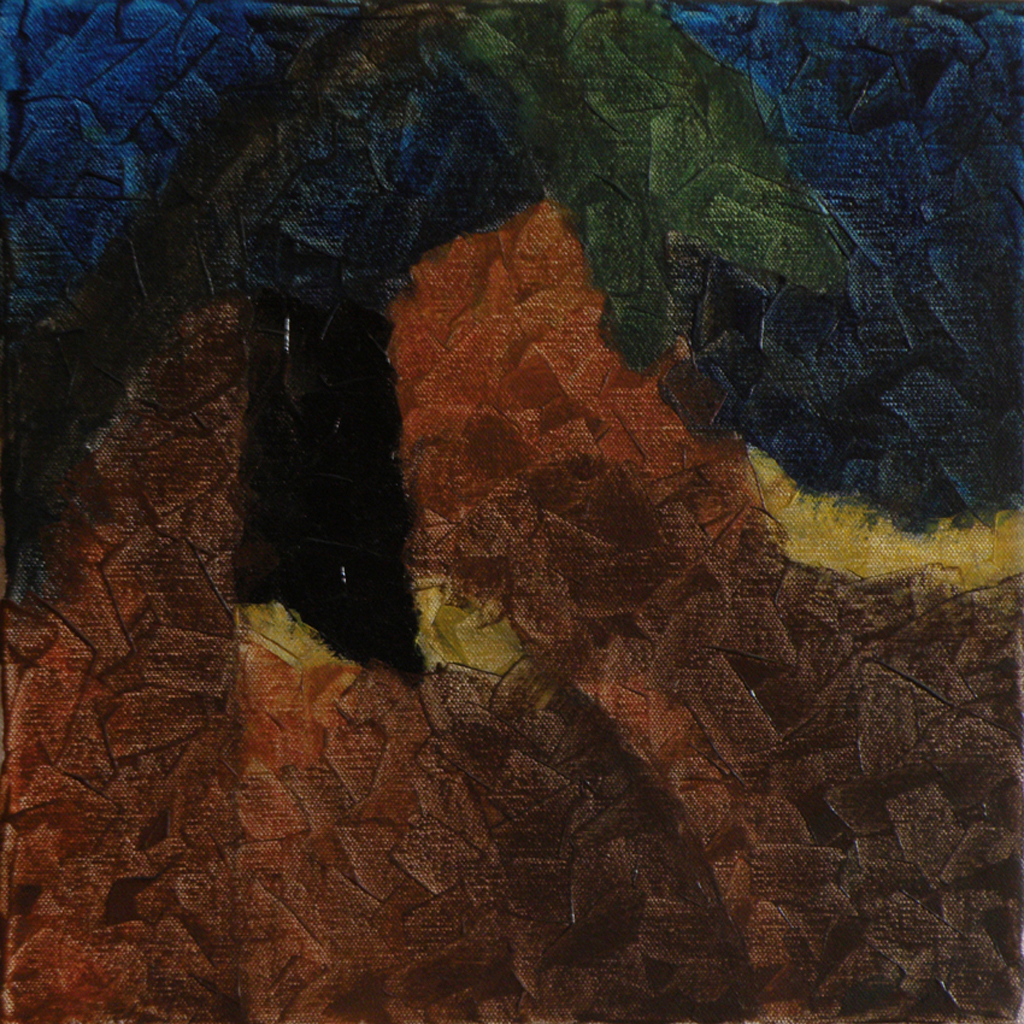
If you spend enough time observing textured works, you begin to notice how the process becomes visible. Unlike flat paintings, where the final image hides the making, textured art celebrates it. You see the layering, the revision, the scraping away.
That’s where Indian contemporary canvas texture becomes more than a style; it becomes an attitude. An artist who leaves the traces of making intact is telling you, “Here is how I felt. Here is how I worked through this moment.”
Collectors often find that honesty compelling. It makes the art personal, even vulnerable.
What This Means for Art Lovers and Buyers
For art enthusiasts, especially those exploring Mojarto’s curated collections, textured works open up a new way of seeing. They bridge the visual and the emotional, the cerebral and the sensory.
- For the art lover: Texture brings immediacy. You don’t just admire the composition; you experience it.
- For the interior designer: A textured canvas acts like an architectural feature. It interacts with light, offering subtle drama in minimalist or modern spaces.
- For the emerging collector: Textured works often carry stronger narrative and technique, two qualities that make them timeless investments.
Unlike trends that fade, this one feels elemental, a return to the basics of touch, material, and emotion.
Why Texture Resonates with Indian Identity
India’s art history is layered, literally and metaphorically. Whether it’s the frescoes of Ajanta, the textured reliefs of temple carvings, or the folk art traditions on cloth and mud walls, texture has always been part of our visual DNA.
The move toward textured canvas art is a continuation of that history, reinterpreted through contemporary sensibility. Artists working in acrylics or oils are using the same instinct — to make the surface part of the story.
It’s no surprise that the layered meanings in art now being created across India echo both the ancient and the modern. These are works that hold complexity, humility, and depth, much like the culture that inspires them.
Texture as Storytelling
At its heart, textured art is storytelling through matter. A thick brushstroke might represent resilience; a tear or scrape might speak of loss or passage. Every mark has intention.
This is what makes texture so central to India’s artistic soul right now; it allows artists to blend emotion, technique, and philosophy in one breath.
A viewer may not always decode the story consciously, but they feel it. They feel the weight, the silence, the resistance of the medium.
That’s what separates good art from unforgettable art.
A Collector’s Invitation
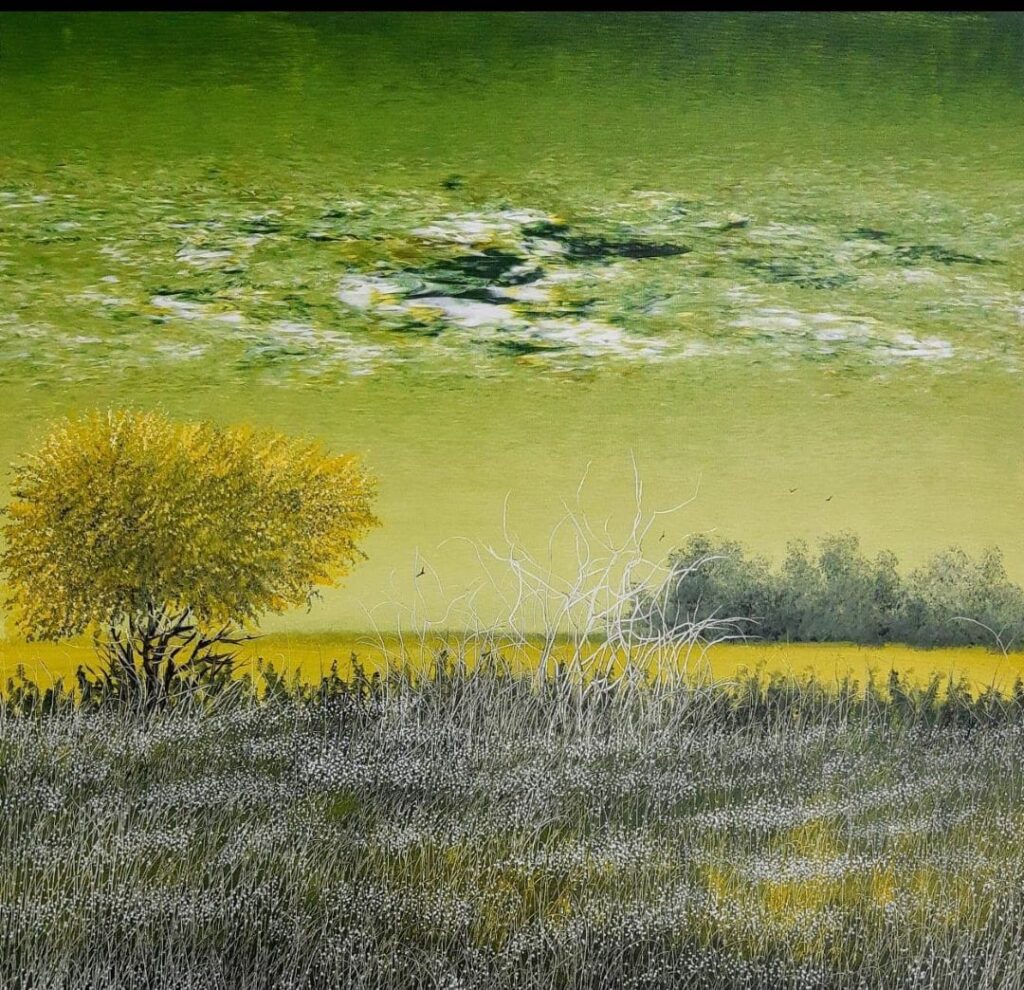
The next time you browse Mojarto’s online gallery, linger over the works that seem to carry shadows on their surface. Look closely at the ones that seem to change when you tilt your screen. You’ll likely find that these are textured works: alive, layered, full of spirit.
When you choose a piece of textured Indian canvas art, you aren’t just buying a painting; you’re bringing home a story, one built layer by layer, both by the artist and, eventually, by you.
Over time, you’ll notice new details, new relationships between colour and surface. The painting will evolve with your space and with your eye.
And that’s what makes texture the true soul of Indian canvas art today, it doesn’t just exist, it lives.
Closing Thought
Indian art has always carried rhythm: of brush, of life, of the artist’s pulse. The emergence of texture as a dominant force feels like the natural next verse of that song. It reconnects art to its physical origin, the very act of making.
In a digital world obsessed with the flat and the filtered, textured art reminds us of what’s real. It celebrates the mark of the hand, the honesty of imperfection, the quiet dialogue between artist and material.
At Mojarto, this isn’t just a category. It’s a celebration of the living surface, of art that breathes, remembers, and continues to speak long after it’s made.
So perhaps, the next time you stand before a canvas, resist the urge only to see.
Pause.
Let your eyes feel.
That’s where the magic of texture begins.