
By P Abigail Sadhana Rao
Photography has woven itself into our daily routines so deeply that most of us can hardly imagine a day without it. We no longer wait for grand occasions to take a picture; a fleeting smile, a quiet moment of calm, or even the simple joy of a good hair day feels worth capturing. The ordinary has become photograph-worthy simply because it holds meaning for us in that moment.
Yet in the rush of everyday life, we often miss the beauty that sits right in front of us, overshadowed by routine and familiarity. Writer Saul Bellow once reflected that people can become so absorbed in distant imaginings that they overlook what is right before their eyes. Photography, in many ways, pulls us back to that neglected beauty, reminding us to notice the world we inhabit.
Photography, in many ways, pulls us back to the beauty we so often overlook, reminding us to pause and truly see the world we move through every day. As photographer Dorothea Lange observed, “A camera is a tool for learning how to see without a camera.” In capturing the ordinary, it teaches us to recognise the extraordinary, those small, fleeting moments that hold meaning precisely because they might otherwise pass unnoticed.
In a Still Moment
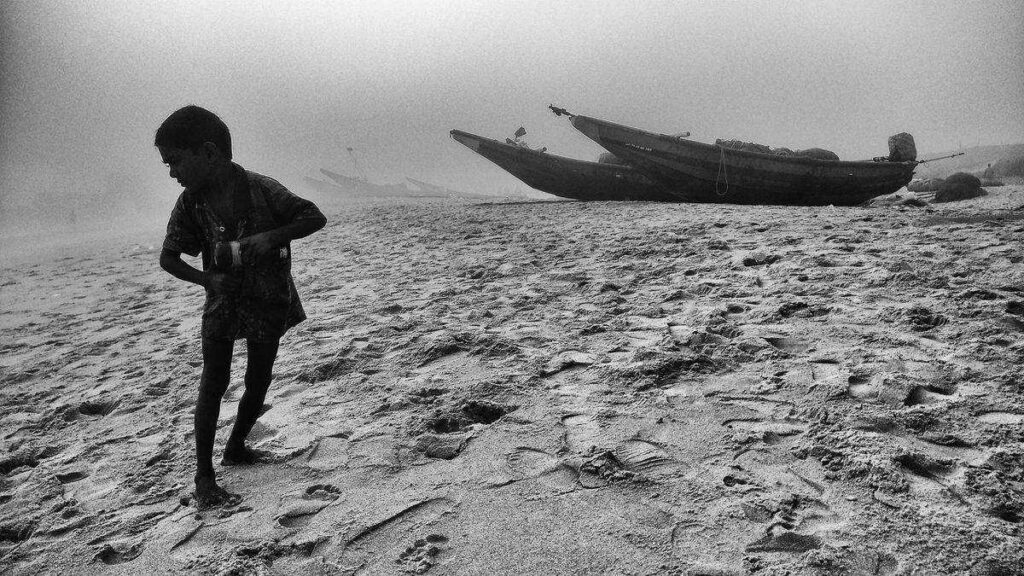
The Boy on the Beach by photographer Manas Arvind captures a fleeting moment where simplicity meets quiet emotion. Photographs in their conventional way function as documentation, art, and an aid to our memories; they freeze a moment in its complete essence, allowing the most meaningful fragments of our lives to be cherished forever.
With this instinctive sensitivity, Arvind frames the child, the textured sand, and the still boats in a way that evokes both solitude and gentle wonder. Known for observing life with depth and stillness, he uses his lens to translate what he feels within, turning everyday scenes into tender, nostalgic reflections. In this photograph, he transforms an ordinary beach moment into a lingering memory, inviting viewers to recognise a sense of familiarity and longing in a place they may never have stood.
Stories in Everyday Life
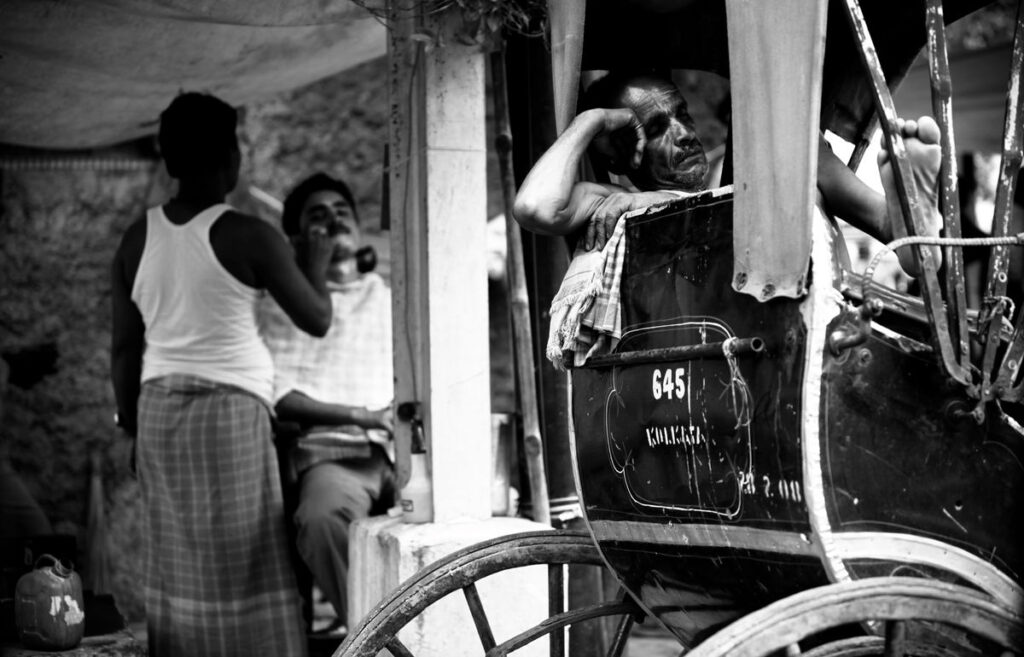
Photography enables us to see the world through perspectives we might otherwise miss. It invites us to pause, admire, and appreciate the most diverse moments and settings, each one held still in a single frame. Its power lies in its honesty: it carries experiences, emotions, and details just as they are, offering them to others with minimal interference.
Shave and a Nap by photographer Gautam Vir Prashad embodies this truth beautifully. In this image, the everyday rhythms of Kolkata unfold with quiet authenticity, a man dozing in his hand-pulled rickshaw while, just beside him, another man gets an unhurried shave. Nothing dramatic, nothing staged, just life, tenderly observed. Through Prashad’s lens, an ordinary street corner becomes a vivid moment of coexistence, stillness, and humanity.
Chronicle of Time
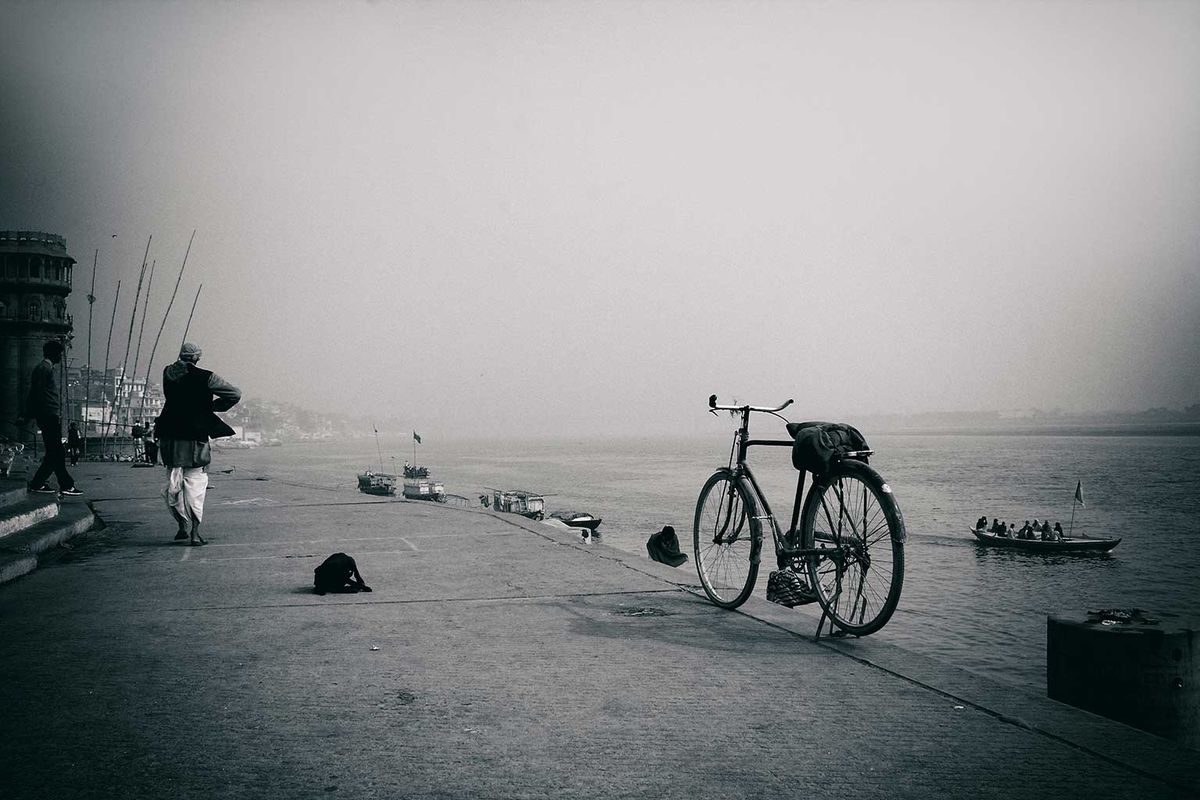
Photography is also a powerful documentation of history for the future. A single image can preserve the rhythms, trends, and truths of its time, becoming quiet evidence of how people lived, moved, worked, and evolved. In this way, photography doesn’t merely reflect the past, it actively shapes the future by helping us understand it.
Krishnendu Chatterjee, born and raised in the artistic heart of Bengal, carries this sensibility in every frame he creates. He brings together the many threads of society, capturing the raw textures of human struggle and beauty with remarkable finesse. His photograph Varanasi reflects this commitment. A city layered with history, devotion and unvarnished reality is rendered with a gaze both tender and unflinching. In his hands, Varanasi becomes more than a location, it becomes a living chronicle, a visual memoir of humanity’s rituals, resilience and timeless rhythm.
Heart of Photography
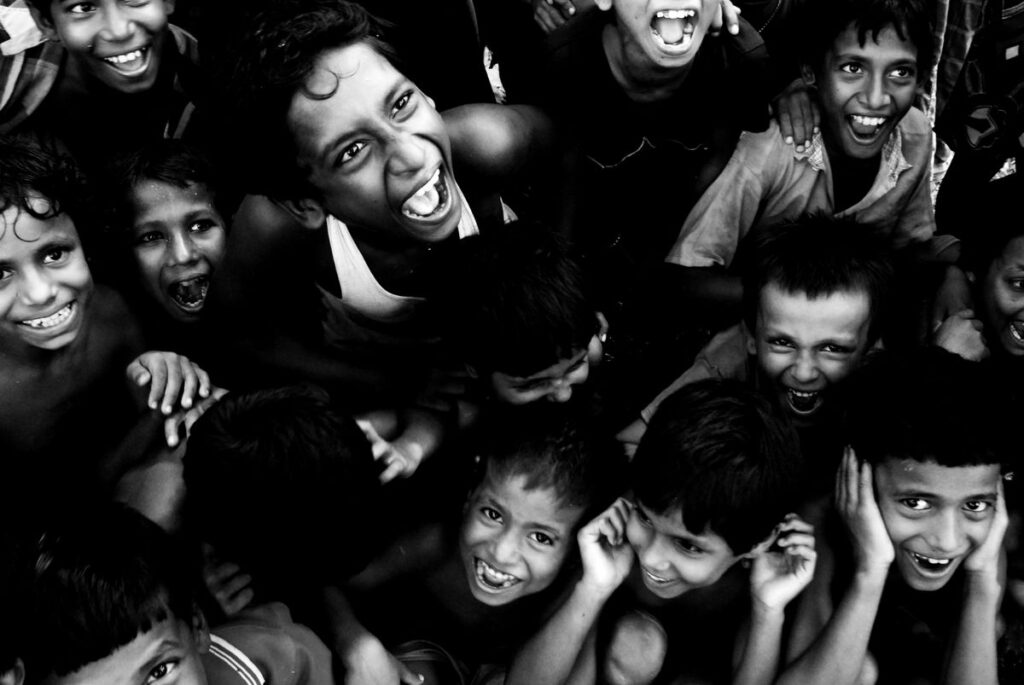
A photograph captures the inner self through an aesthetically woven fabric of light, shade and subtle visual rhythms. Like painting, it draws on line, tone and texture to hold a moment at its most honest, transforming it into a language of expression. Every photograph carries a story waiting to be heard, often revealing emotions that might otherwise remain unnoticed or hidden. When an image moves us, its purpose is fulfilled.
Subhajit Dutta’s Children of Heaven reflects this philosophy with striking clarity. For him, photography is not just the act of taking pictures but the art of creating stories. The joyous chaos and unfiltered laughter of the children become more than a scene; they become an idea shaped by his personal vision. His images speak of emotions, perspectives and quiet truths, offering meaning far beyond the visible. Without that inner vision a photograph is merely an image but with it the image becomes a vessel, carrying his ideas, his feelings and his stories to the audience.